How an MIT research project became a global programming language
With millions of users across the world, Julia has been used to conduct cutting-edge research and to design new drugs, jet engines, heat pumps, and more.

Updates and guides from us, plus hand-picked reads from tech & AI blogs.
With millions of users across the world, Julia has been used to conduct cutting-edge research and to design new drugs, jet engines, heat pumps, and more.

A new machine-learning framework aims to improve the success rate of computational protein design while moving away from results that reproduce sequences found in nature.
Algorithms & Theory
Reach audiences
Advertise in front of researchers, engineers, and readers.
New MIT research could lead to better materials for a fossil-fuel-free process for making the chemical that's essential to fertilizer and other products.
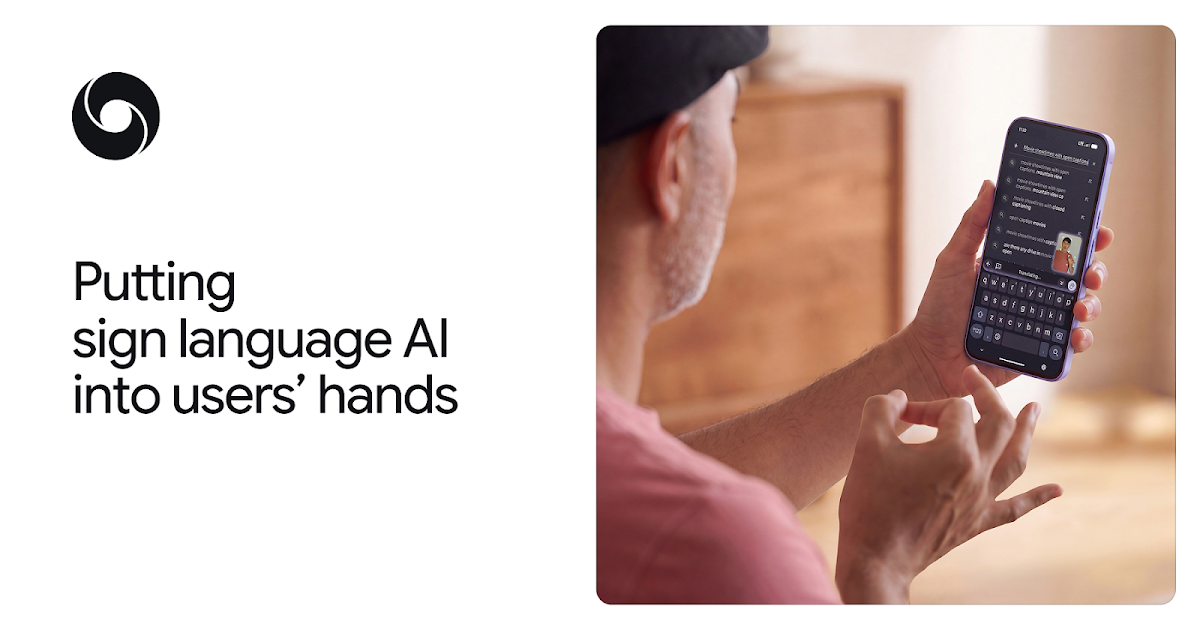
Introducing sign-language-to-text (SL2T), our breakthrough model powering new sign language features for Deaf and hard of hearing users.
Initial research projects advance national priorities across natural resources, manufacturing, nuclear physics, and more.
To help robots do chores in places like homes and factories, a new approach from MIT uses one language model to clarify users’ instructions, then another to ignore irrelevant info.
Gemini 3.5 Live Translate brings near real-time, natural speech translation to Google AI Studio, Google Translate and Google Meet.
The new ChartNet training dataset could improve the accuracy of vision-language models that help analyze business trends or interpret scientific figures.