Confessions of an AI Brain
Elena Fersman, Paul Pettersson, Athanasios Karapantelakis et al.
· Springer eBooks · 0 citations
Category
2,590 papers
Deep learning systems have achieved remarkable success in medical image analysis; however, most explainable artificial intelligence (XAI) methods remain descriptive, providing post-hoc explanations without actively validating diagnostic decisions. While concept-based and retrieval-based approaches improve interpretabil...
Campus training and placement (T&P) activities in many engineering institutions are still coordinated through spreadsheets, e-mail and notice boards, which makes eligibility checks, shortlisting and placement reporting slow and error-prone and gives students little guidance on which opportunities suit them. This paper...
Children who are developmentally lagging require quick and tailored supports- this is why focusing on potential development is important. AI has advanced by integrating multiple forms of speech, behaviour, physiology, and vision, and emerging AI systems for speech triage and multi-modal systems are demonstrating promis...
Reach audiences
Advertise in front of researchers, engineers, and readers.
This study constructs a dual-cycle framework integrating financial fraud identification and ethical governance for artificial intelligence-assisted audit. It uses financial indicators, text features, and corporate governance variables to build multi-dimensional detection models. Traditional models and machine learning...
Artificial Intelligence (AI) is increasingly transforming the way governments design, administer and enforce tax systems. Tax administration is particularly suitable for AI because it involves large volumes of structured and unstructured data, repetitive compliance processes, risk assessment, fraud detection and contin...
Plant diseases are one of the most serious threats to agricultural production worldwide — shortening harvests and, in turn, threatening our food supply. Recognizing these illnesses in an early, high-accuracy manner is vital for their management and mitigation. Traditional approaches to plant disease diagnosis are norma...
An explainable, multimodal AI framework for assessing cognitive engagement in smart learning environments is presented in this paper. This framework integrates five modalities of sensing: facial expression, gaze, speech, interaction, and physiological sensing. The framework uses a preprocessing pipeline consisting of d...
Early diagnosis and timely intervention are critical in Alzheimer's disease (AD), yet conventional assessments fail to capture longitudinal neural dynamics. Although traditional biomarker frameworks offer essential pathological insights, they remain constrained by high costs and restricted accessibility. Recent advance...
New research can help AI models understand crystalline materials in 3D and reason about their properties.
General Science
A new computational approach reveals how cells communicate to assemble into tissues. This could accelerate stem cell engineering, improve disease models, and inform therapies.
A Blog post by Swiss AI Initiative on Hugging Face
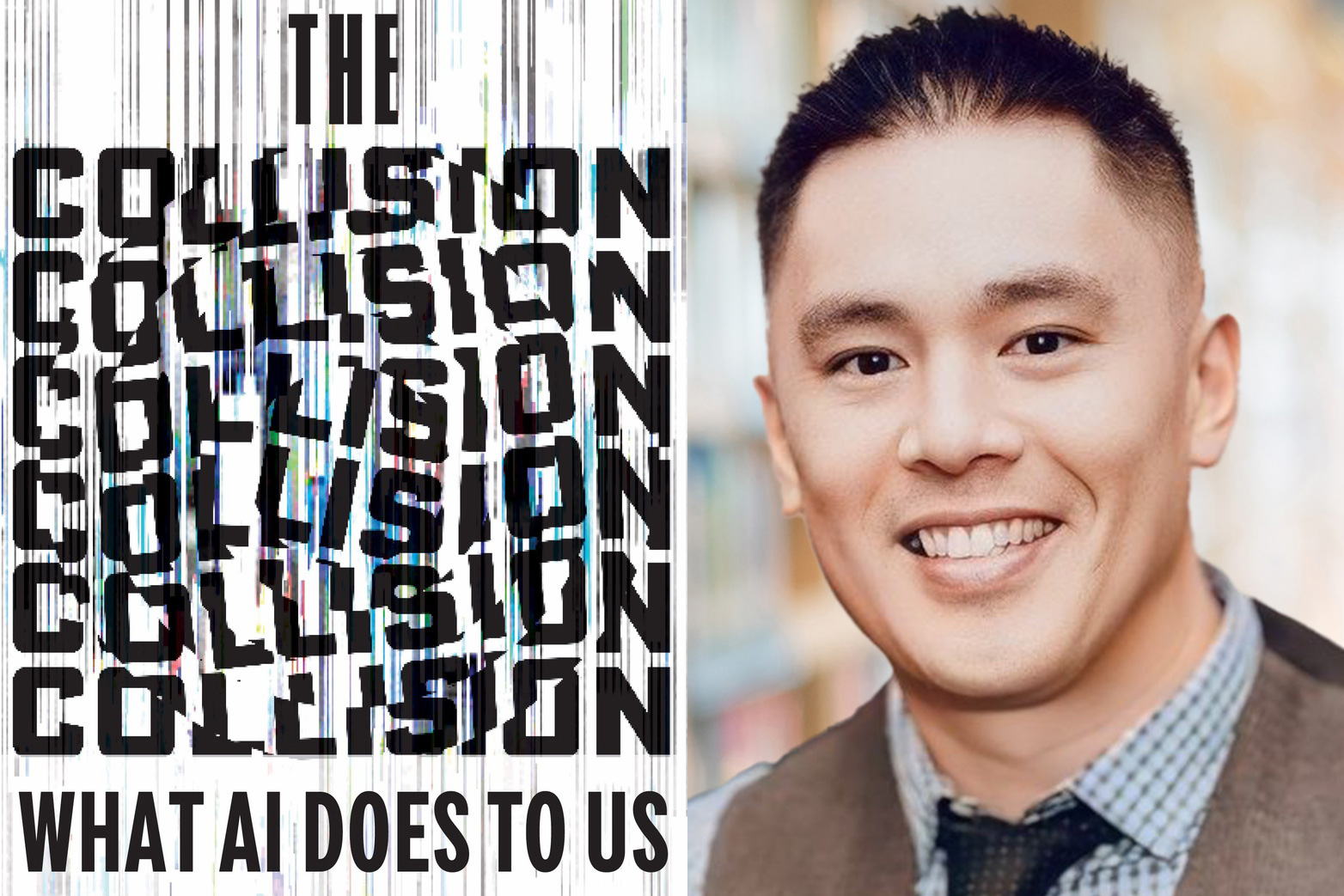
In a new book, Professor Eric So explores how the technology affects our thinking skills.
Earth AI
We use cookies to run the site and, with your consent, for analytics and to show ads. See our Cookie Policy.