
Similar papers
Software Development in Startup Companies: The Greenfield Startup Model
The results are packaged in the Greenfield Startup Model (GSM), which explains the priority of startups to release the product as quickly as possible, and the need to shorten time-to-market, by speeding up the development through low-precision engineering activities.
Carmine Giardino, Nicolò Paternoster, M. Unterkalmsteiner et al.
· IEEE Transactions on Softwar... · 178 citations
· ⚡14
Software Startups - A Research Agenda
Software startup companies develop innovative, software-intensive products within limited timeframes and with few resources, searching for sustainable and scalable business models.
M. Unterkalmsteiner, P. Abrahamsson, Xiaofeng Wang et al.
· e-Informatica Software Engin... · 157 citations
· ⚡17
“Failures” to be celebrated: an analysis of major pivots of software startups
This study conducts a case survey study based on the secondary data of the major pivots happened in 49 software startups, and demonstrates that customer need pivot is the most common among all pivot types.
Sohaib Shahid Bajwa, Xiaofeng Wang, Anh Nguyen-Duc et al.
· Empirical Software Engineeri... · 127 citations
· ⚡15
A survey study on major technical barriers affecting the decision to adopt cloud services
The comparison of adopter and non-adopter sample reveals three potential adoption inhibitor, security, data privacy, and portability, which underlines the importance of the technical and security perspectives for research investigating the adoption of technology.
Nattakarn Phaphoom, Xiaofeng Wang, S. Samuel et al.
· Journal of Systems and Softw... · 111 citations
· ⚡8
Affordable and Energy-Efficient Cloud Computing Clusters: The Bolzano Raspberry Pi Cloud Cluster Experiment
The ongoing work building a Raspberry Pi cluster consisting of 300 nodes is presented, with potential use cases being an inexpensive and green test bed for cloud computing research and a robust and mobile data center for operating in adverse environments.
P. Abrahamsson, S. Helmer, Nattakarn Phaphoom et al.
· IEEE International Conferenc... · 110 citations
· ⚡7
On the Unhappiness of Software Developers
The results indicate that software developers are a slightly happy population, but the need for limiting the unhappiness of developers remains, and 219 factors representing causes of unhappiness while developing software are identified.
D. Graziotin, Fabian Fagerholm, Xiaofeng Wang et al.
· International Conference on... · 84 citations
· ⚡6
Related blog posts
MIT News · Artificial Intelligence
· news.mit.edu
Oct 18, 2026
Giving AI a “crystal clear” view of the materials world
New research can help AI models understand crystalline materials in 3D and reason about their properties.

Hugging Face Blog
· huggingface.co
Oct 16, 2026
Welcome Beam: a 501B open model you can own, customize, and scale
We’re on a journey to advance and democratize artificial intelligence through open source and open science.
MIT News · Artificial Intelligence
· news.mit.edu
Oct 15, 2026
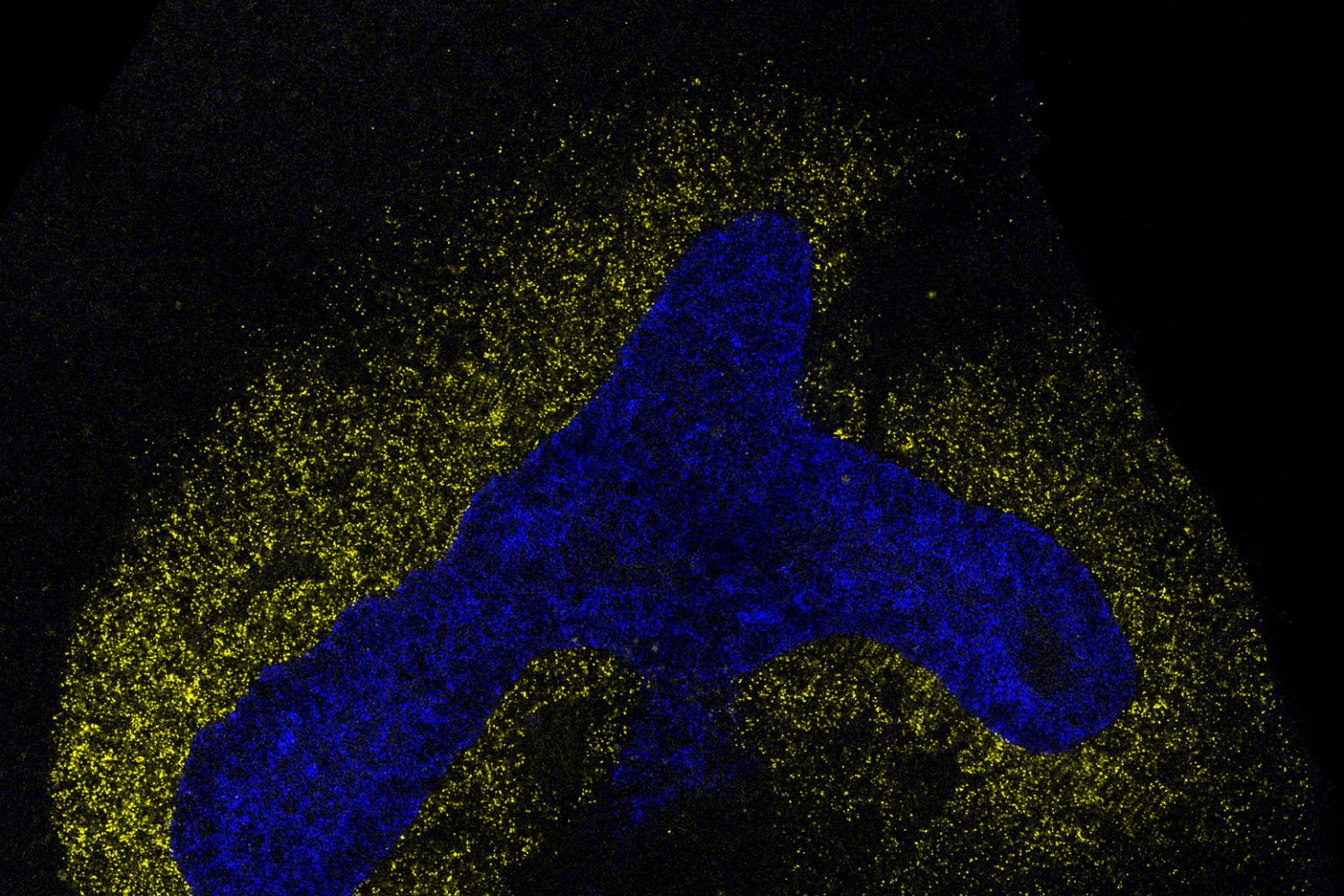
AI model decodes the language cells use to communicate
A new computational approach reveals how cells communicate to assemble into tissues. This could accelerate stem cell engineering, improve disease models, and inform therapies.
Hugging Face Blog
· huggingface.co
Oct 15, 2026
Welcome Muse Spark Open: open-weight frontier multimodal mixture-of-experts model from Meta
We’re on a journey to advance and democratize artificial intelligence through open source and open science.