Sep 2026· International Journal of Computer Science and Mathematical Theory· 0 citations
Blockchain Technology Applications and Security
TL;DR
The findings indicate that neural architectures particularly recurrent networks, autoencoders, transformers, and graph neural networks provide superior adaptability to evolving fraud behaviour compared with static rule-based systems, but their operational deployment is constrained by class imbalance, concept drift, and regulatory demands for explainability.
Abstract
This review synthesizes recent research on real‑time fraud detection and prevention in digital
payment platforms through the combined use of neural networks and blockchain technologies. A
structured literature review and mapping study was conducted using PRISMA‑style screening
procedures. Searches were performed across IEEE Xplore, ACM Digital Library, ScienceDirect,
SpringerLink, and Google Scholar for studies published between 2015 and 2025. After applying
inclusion/exclusion criteria and a quality appraisal checklist, forty (40) primary studies and ten
(10) high‑impact survey papers were retained for analysis. The findings indicate that neural
architectures particularly recurrent networks, autoencoders, transformers, and graph neural
networks provide superior adaptability to evolving fraud behaviour compared with static
rule‑based systems, but their operational deployment is constrained by class imbalance, concept
drift,
adversarial manipulation, strict latency budgets, and regulatory demands for
explainability.
Blockchain introduces complementary preventive controls, including
tamper‑evident audit trails, shared transaction provenance, decentralized identity support, and
smart‑contract automation for policy enforcement. However, blockchain integration creates
trade‑offs in throughput, privacy, and governance that necessitate careful partitioning of
on‑chain and off‑chain functions. Based on the reviewed evidence, a hybrid security model is
proposed that unifies streaming feature engineering, neural risk scoring, an adaptive decision
engine, and a permissioned blockchain audit layer to enable verifiable decisions and
cross‑institution intelligence sharing.
Graph Neural Networks (GNNs) have emerged as an effective approach for blockchain fraud detection because they can model complex relationships among transactions and participating entities. However, existing GNN-based approaches remain limited by vulnerability to adversarial manipulation, limited explainability, contin...
O. Ojerinde, Ramatu Abubakar, Ajagun Abimbola Susan et al.· International Journal of Dat...· 0 citations
Blockchain technology has revolutionized digital financial systems through decentralized, transparent, and secure transactions. However, the increasing sophistication of blockchain systems has coincided with the emergence of complex illicit activities, including ransomware transactions, Ponzi schemes, phishing, and mon...
O. Ojerinde, Ramatu Abubakar, B. Alenoghena et al.· Journal of Future Artificial...· 0 citations
This study, titled "A Study on Blockchain and Artificial Intelligence Integration for Secure Financial Transactions at HDFC Bank," evaluates the structural shifts, security improvements, and financial feasibility of integrating distributed ledger technology (blockchain) and machine learning systems (AI) into private co...
B. Vijay, M. Prasad, T. Meghana· International Journal of Eng...· 0 citations
The increasing prevalence of kidnappings and armed banditry has intensified the need to disrupt the logistical networks that sustain criminal operations. These criminal networks pose significant threats to national security, socio-economic stability, and public safety. Blockchain technology and decentralised threat int...
O. Ojerinde, J. Ojeniyi, A. Uduimoh et al.· Advances in Multidisciplinar...· 0 citations
Across the corpus, blockchain is used most often for device authentication, data integrity, access control, traceability, secure data exchange, and distributed trust management.
E. L. Huamaní, Erasmo Montufar-Barrientos, Carlos Ponce-Sanchez· international journal of eng...· 0 citations
In today’s fast changing digital world, the need for secure, transparent, and reliable financial
transactions is more important than ever especially in areas where fraud, delays, and unauthorized
access are common concerns. Traditional payment systems often depend on centralized
middlemen, which can lead to slow proces...
C. C. Ibebuogu· IIARD INTERNATIONAL JOURNAL...· 0 citations
Related blog posts
MIT News · Artificial Intelligence· news.mit.eduJul 15, 2026
Assistant Professor Pat Pataranutaporn describes a new interface that lets everyday users glimpse inside an AI's neural network before their chatbot ever says a word.
Microsoft Research Blog· microsoft.comJul 13, 2026
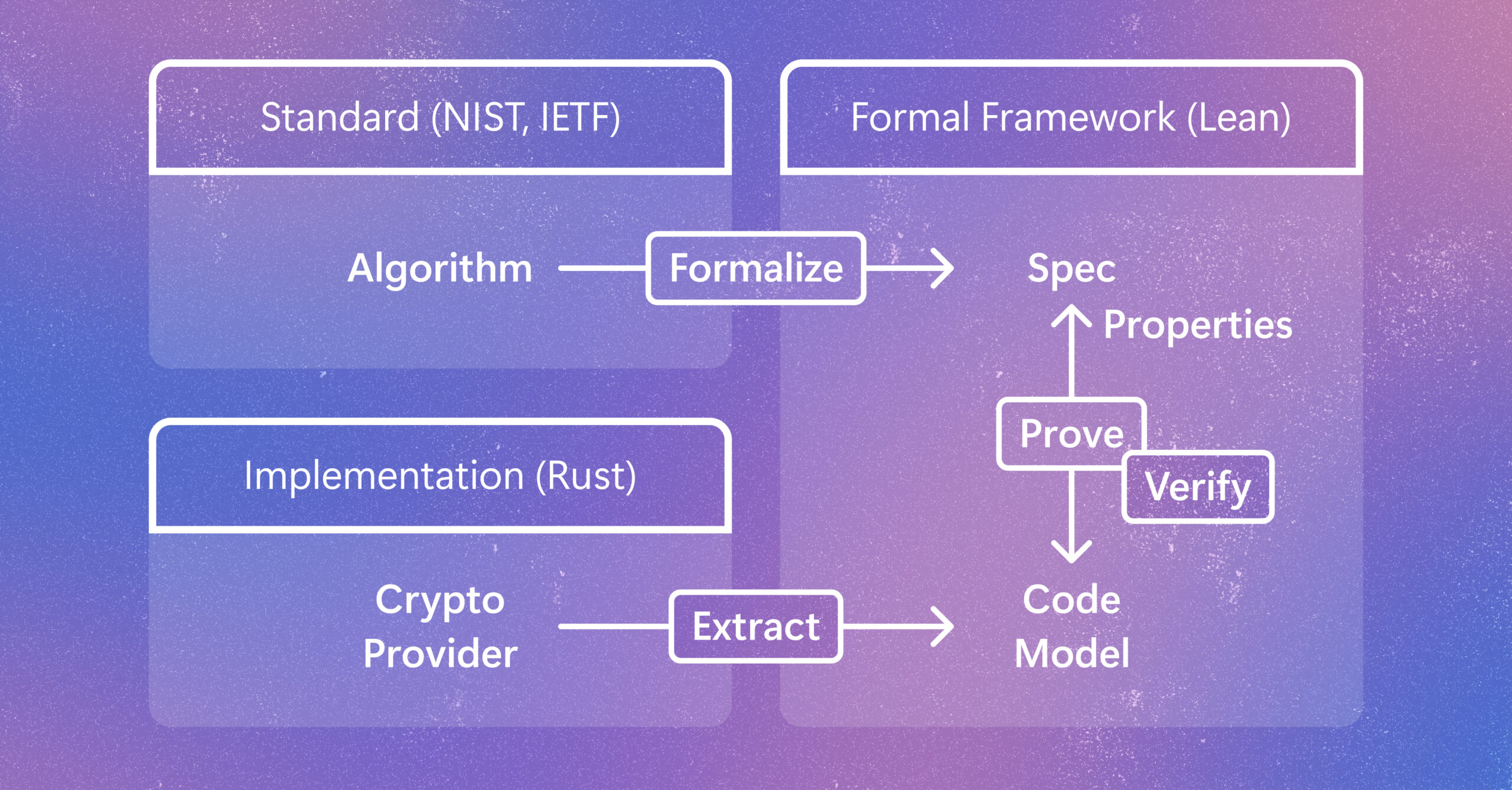
Cryptographic code supports vital protections in modern computing systems. Learn how a new method helps verify code as developers write it while preserving speed and adaptability as it gets implemented and evolves. The post Verifying Rust cryptography in SymCrypt, from standards to code appeared first on Microsoft Research.
MIT News · Artificial Intelligence· news.mit.eduJul 6, 2026
PhD student Rachel Sava, winner of the Envisioning the Future of Computing Prize, explores transformative improvements and dystopian risks of neural technology.