Jan 2026· arXiv.org· Vol abs/2601.17658· 0 citations· 66 references
Computer Science
Abstract
Large-scale computational research on conspiracy theories has focused exclusively on believers'online behavior, leaving the harm experienced by those closest to them under-examined. This paper bridges this gap by analyzing 12747 stories from r/QAnonCasualties, an online support group for people who have ``lost''someone to conspiracy beliefs. We design a computational pipeline to extract fine-grained thematic traits from personal narratives and cluster them into six coherent radicalization personas, which we then link to the emotional toll reported by narrators via LLM-assisted emotion detection and regression modeling. We find that personas are meaningful predictors of specific emotional harms: radicalization perceived as a deliberate ideological choice is associated with anger and disgust, while personas marked by personal and cognitive collapse correspond to fear and sadness. This work provides an empirically grounded computational framework for understanding the relational harms of radicalization, opening new avenues for research into its wider social consequences.
Whether analytic theology can supply a symbolic logical framework apt to encode moral safeguards inside LLM pipelines is investigated, which targets the engineering of moral computation: a formal language placed between metaphysical content and machine implementation.
Fernando Negrini· International Journal of Bio...· 0 citations
We examine the affective engagement of workers in app-mediated food delivery who continue working while explicitly describing the work as harming them financially, emotionally, and bodily, while using the language of betrayed intimacy. Using a mixed-methods design that combines manual coding with eight validated comput...
Public responses to minor transgressions increasingly unfold in digital environments where both the initial act and its public circulation become open to collective judgement. Although research on online shaming and digital vigilantism has documented patterns of condemnation, less is known about how evaluative attentio...
S. I. Alliu, K. Odunjo-Saka, O. V. Adedeji et al.· African Journal of Social an...· 0 citations
In an era of deepening political polarization, understanding how partisans believe they are perceived by ideological opponents is critical for explaining both hostility and conciliation. Across five studies (N = 1,541) conducted in the United Kingdom, the United States, and Canada, we examine how meta-humanization, per...
Melissa Pavetich, S. Stathi· Personality and Social Psych...· 0 citations
Organizations have long treated clarity, timeliness and candour as the pillars of effective feedback. Yet even well-structured feedback routinely fails to produce learning. This article argues that the dominant delivery-focused framework rests on an incomplete assumption. We introduce psychological interpretability: th...
Rahul K. Shukla, Sunil Kumar Sarangi· Management and Labour Studie...· 0 citations
This article investigates attempts to cancel implicatures as politeness strategies aimed at restoring positive face in contexts of online shaming. The analysis draws on Grice’s theory of implicature (1975), Politeness Theory (Brown; Levinson, 1987), and a metapragmatic perspective (Silverstein, 1993). Through a qualita...
M. Silva, Pereira Lins Maria da Penha· Revista (Con)textos Linguíst...· 0 citations
Related blog posts
MIT News · Artificial Intelligence· news.mit.eduOct 15, 2026
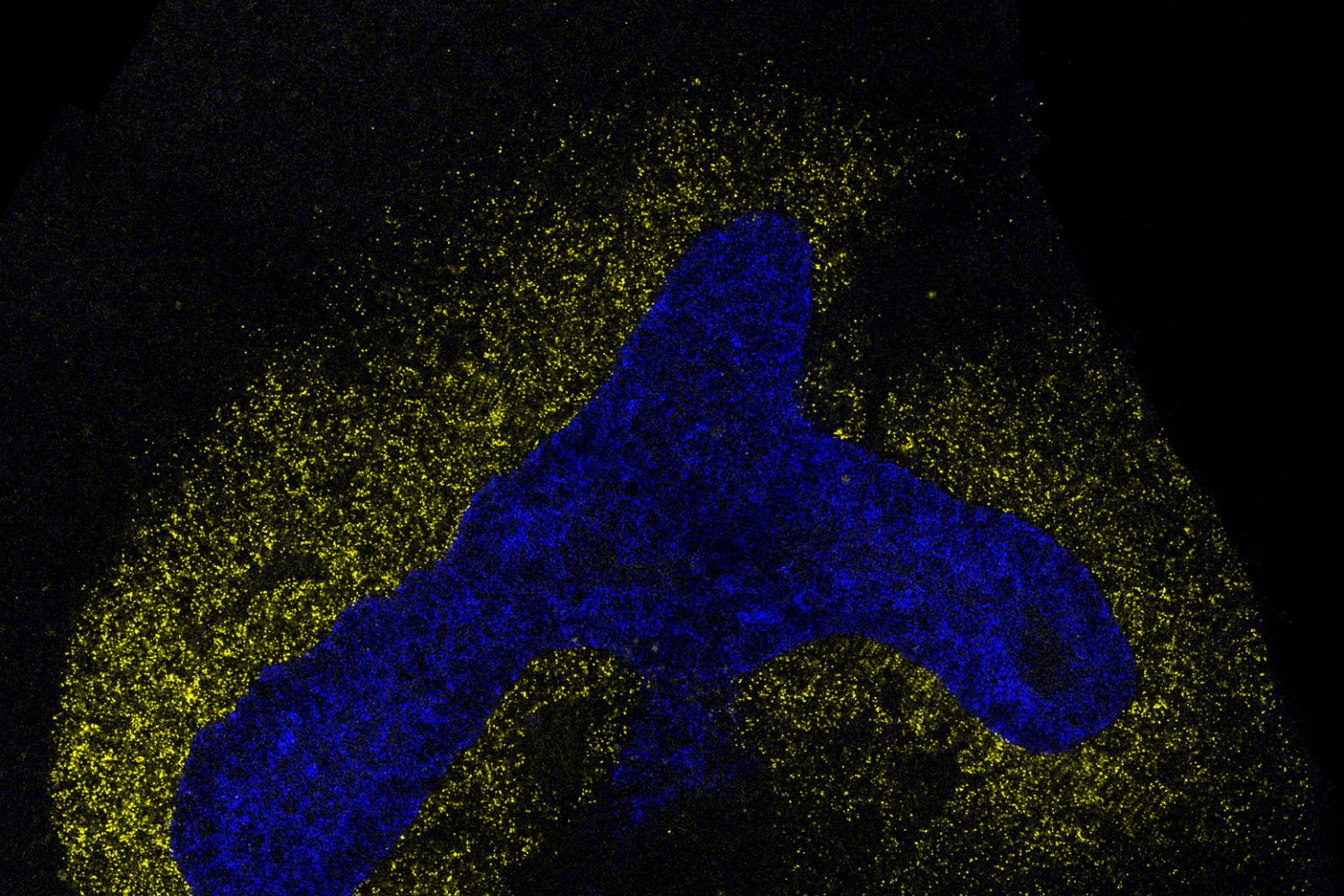
A new computational approach reveals how cells communicate to assemble into tissues. This could accelerate stem cell engineering, improve disease models, and inform therapies.
Microsoft Research Blog· microsoft.comOct 15, 2026
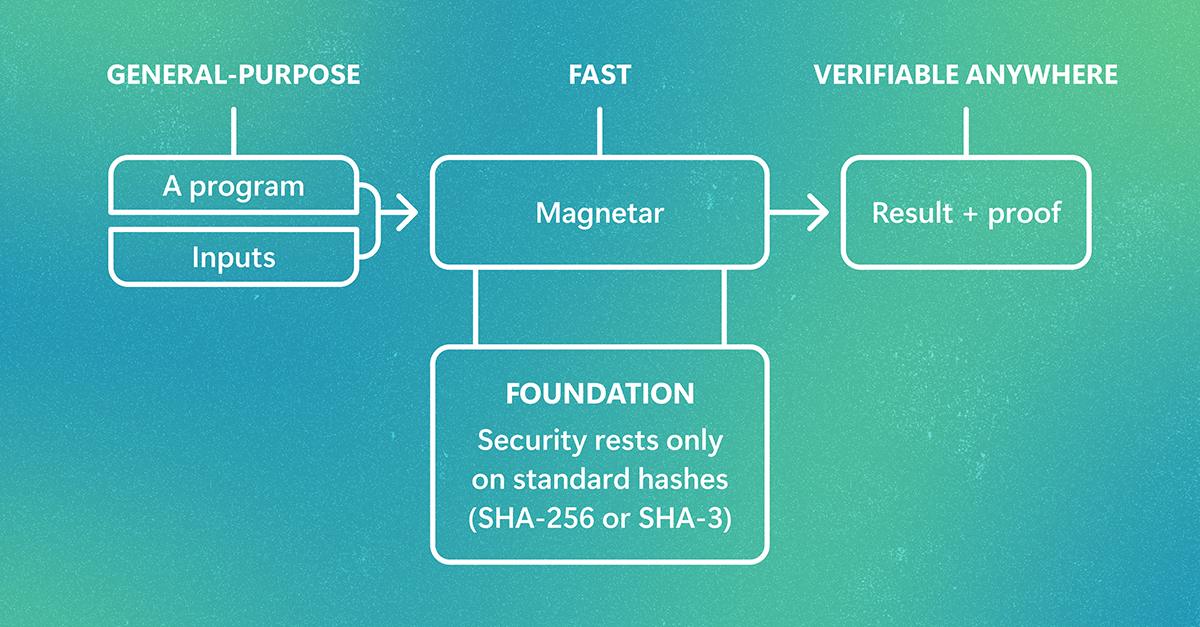
Zero-knowledge proofs can verify computing results without rerunning workloads or exposing sensitive data. Magnetar helps bring them into the mainstream with support for standard programming languages, major speed gains, and quantum-resistant security. The post Proof-based general-purpose computing with Magnetar appeared first on Microsoft Research.
MIT News · Artificial Intelligence· news.mit.eduSep 24, 2026