Oct 2026· Zenodo (CERN European Organization for Nuclear Research)
Abstract
This paper presents a conceptual literature review and qualitative comparative synthesis of two major families of Electronic Design Automation (EDA) logic-optimization techniques: modern classical heuristic logic synthesis, grounded in scalable multi-level DAG-based optimization frameworks (Mishchenko et al., 2018; Amaru et al., 2016) and heuristic two-level logic minimization for large Boolean functions (Nazemi et al., 2021), and machine-learning-guided EDA workflows, represented by AI-driven logic gate synthesis (Astillero, 2026), reinforcement-learning-guided logic synthesis (Peruvemba et al., 2021), deep-learning-based logic optimization (Haaswijk et al., 2018), and graph-neural-network-based pre-routing timing prediction (Guo et al., 2022). Rather than reporting a new empirical benchmark, this review normalizes the direction and relative magnitude of Power, Performance, and Area (PPA) outcomes reported across this literature into a common qualitative baseline. The synthesis indicates that machine-learning-guided techniques can provide comparable or greater reported PPA benefits than classical heuristics, particularly for logic-reduction and timing-related applications, but these benefits are coupled with additional model-training overhead and sensitivity to the circuits and data used for training.
The results indicate that software engineering work practices are chosen opportunistically, adapted and configured to provide value under the constrains imposed by the startup context.
Nicolò Paternoster, Carmine Giardino, M. Unterkalmsteiner et al.· Information and Software Tec...· 394 citations· ⚡54
This state-of-practice investigation was performed using a literature review followed by a multiple-case study approach and presents how inconsistency between managerial strategies and execution can lead to failure by means of a behavioral framework.
Carmine Giardino, Xiaofeng Wang, P. Abrahamsson· International Conference on...· 175 citations· ⚡19
This study conducts a case survey study based on the secondary data of the major pivots happened in 49 software startups, and demonstrates that customer need pivot is the most common among all pivot types.
Sohaib Shahid Bajwa, Xiaofeng Wang, Anh Nguyen-Duc et al.· Empirical Software Engineeri...· 127 citations· ⚡15
It is found that roles of MVPs in startups were not fully aware by entrepreneurs, and entrepreneurs should consider a systematic approach to fully explore the value of MVP, as a multiple facet product (MFP).
Anh Nguyen-Duc, P. Abrahamsson· International Conference on...· 93 citations· ⚡9
It is found that what perceived as biggest challenges by software startups do vary across different life cycle stages, even though its significance decreases when the learning focuses of the startups move from problem to solution and their products mature.
Xiaofeng Wang, Henry Edison, Sohaib Shahid Bajwa et al.· International Conference on...· 62 citations· ⚡6
Agile methods continue to gain popularity. In particular, the Scrum method appears to be on the verge of becoming a de-facto standard in the industry, leading the so called Agile movement. While there are success stories and recommendations, there is little scientifically valid evidence of the challenges in the adoptio...
A. Marchenko, P. Abrahamsson· Agile Conference· 59 citations· ⚡11
Related blog posts
Microsoft Research Blog· microsoft.comJul 13, 2026
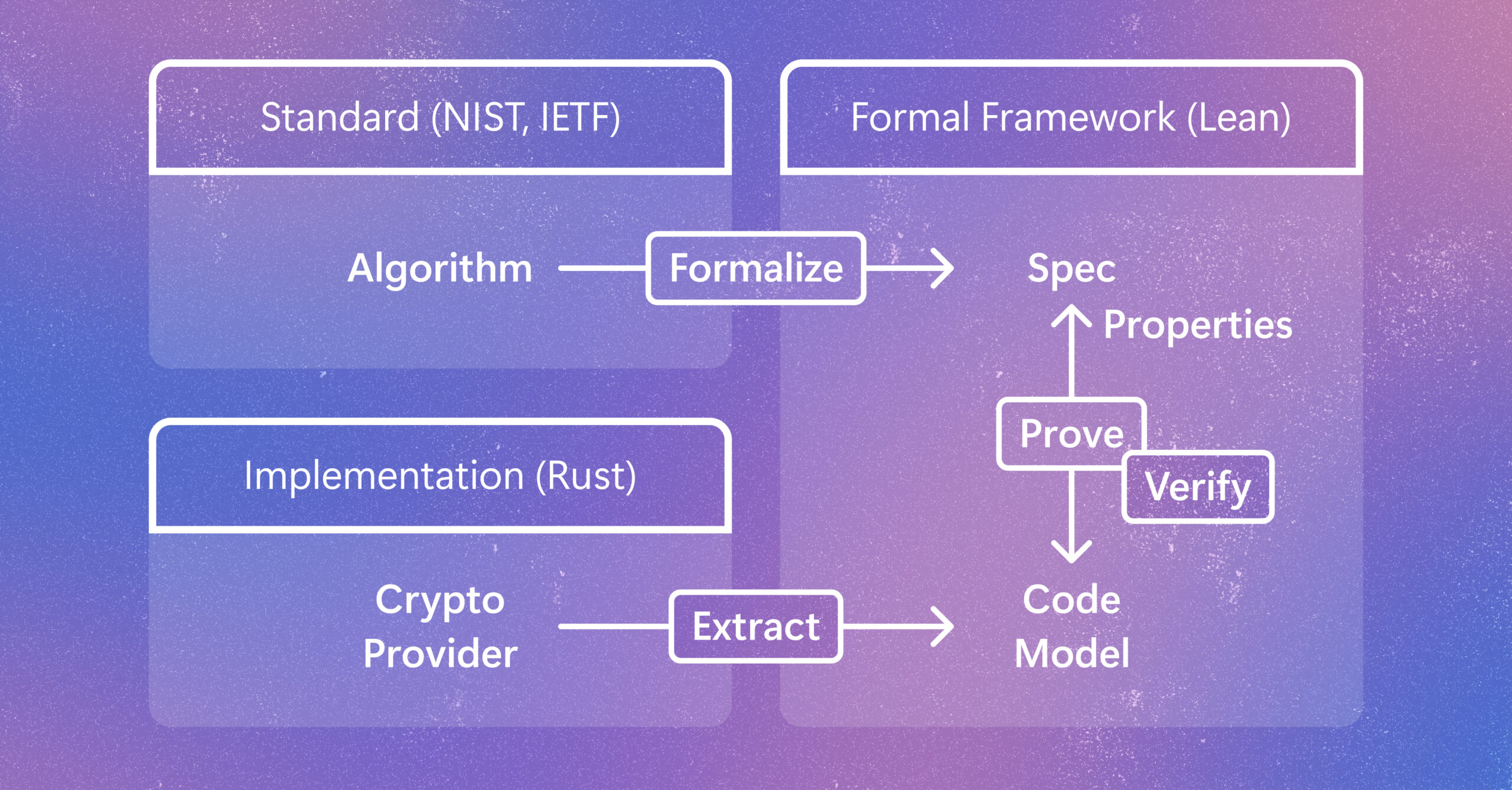
Cryptographic code supports vital protections in modern computing systems. Learn how a new method helps verify code as developers write it while preserving speed and adaptability as it gets implemented and evolves. The post Verifying Rust cryptography in SymCrypt, from standards to code appeared first on Microsoft Research.