A hybrid chemoinformatics approach integrating caputo fractional-derivative graph invariants and artificial neural network for modeling of anti-sickle cell compounds
Cheminformatics focuses on the accurate prediction of physicochemical properties, which plays a crucial role in molecular modeling and materials science, as experimental determination is often time-consuming and costly. In this study, we propose a machine learning based framework for predicting physicochemical properties using fractional derivative based topological indices as feature variable. Two widely used machine learning algorithms, namely Artificial Neural Networks (ANN) and Random Forest (RF), were employed to model the nonlinear relationships between topological descriptors and the corresponding physicochemical properties. A comprehensive set of fractional derivative based topological indices was used as independent variables, while multiple physicochemical properties were considered as targeted variables. The predictive performance of the developed models was rigorously evaluated using standard statistical metrics, including the coefficient of determination (
$$R^2$$
), mean absolute error (MAE), mean squared error (MSE), and root mean squared error (RMSE). The results demonstrate that ANN model consistently exhibited superior performance, achieving higher values of
$$R^2$$
(generally exceeding 0.82) and lower error measures compared to the RF based models for the majority of the properties under investigation. This highlights the enhanced capability of ANN in capturing complex nonlinear patterns inherent in fractional derivative based topological indices. The proposed approach confirms that fractional derivative based topological indices, when integrated with advanced machine learning algorithms, serve as powerful predictors of physicochemical properties. The findings suggest that the ANN-based framework, in particular, can be effectively utilized as a reliable and efficient tool for property prediction in chemical and molecular informatics, thereby reducing experimental effort and accelerating material and compound design.

BackgroundThe prevalence of overweight and obesity is increasing in Bangladesh. It is higher among Bangladeshi women than among men. This study was conducted to assess a host of demographic and socioeconomic correlates of overweight and obesity, separately for the urban and rural women of Bangladesh.MethodsWe used data...
Haribondhu Sarma, N. Saquib, M. Hasan et al.· BMC Obesity· 75 citations· ⚡5
Purpose Overall health status indicators have improved significantly over the past three decades in Indonesia. However, the country’s maternal mortality ratio remains high with a stark inequality by region. Fewer studies have explored access inequity in maternal health care service over time using multiple inequality m...
Herfina Y. Nababan, M. Hasan, Tiara Marthias et al.· International Journal of Wom...· 64 citations· ⚡2
Agile methods continue to gain popularity. In particular, the Scrum method appears to be on the verge of becoming a de-facto standard in the industry, leading the so called Agile movement. While there are success stories and recommendations, there is little scientifically valid evidence of the challenges in the adoptio...
A. Marchenko, P. Abrahamsson· Agile Conference· 59 citations· ⚡11
Findings demonstrate a strong positive association between mother’s education and IYCF indicators and suggest strengthening national policies to educate women at least to the secondary level in SACs might be a cost-effective intervention for improving IY CF practices.
M. Tariqujjaman, M. Hasan, M. Mahfuz et al.· Nutrients· 45 citations· ⚡4
A comprehensive taxonomy of the challenges faced when a medium-scale organization decided to adopt software platforms is provided, namely: business challenges, organizational challenges, technical challenges, and people challenges.
Yaser Ghanam, F. Maurer, P. Abrahamsson· Information and Software Tec...· 41 citations· ⚡3
Good knowledge, positive attitude and some sociodemographic factors were significant with exclusive breastfeeding which are needed to improve for promoting exclusive breastfeeding practices and reducing infant mortality and morbidity.
M. Hasan, M. Hassan, M. Khan et al.· Population Medicine· 32 citations· ⚡6
Related blog posts
MIT News · Artificial Intelligence· news.mit.eduOct 26, 2026
Machine-learning networks can learn without detailed instructions from a designer. Those that do may offer insight into how the brain reorganizes itself during learning.
MIT News · Artificial Intelligence· news.mit.eduJul 15, 2026
Assistant Professor Pat Pataranutaporn describes a new interface that lets everyday users glimpse inside an AI's neural network before their chatbot ever says a word.
Microsoft Research Blog· microsoft.comJul 13, 2026
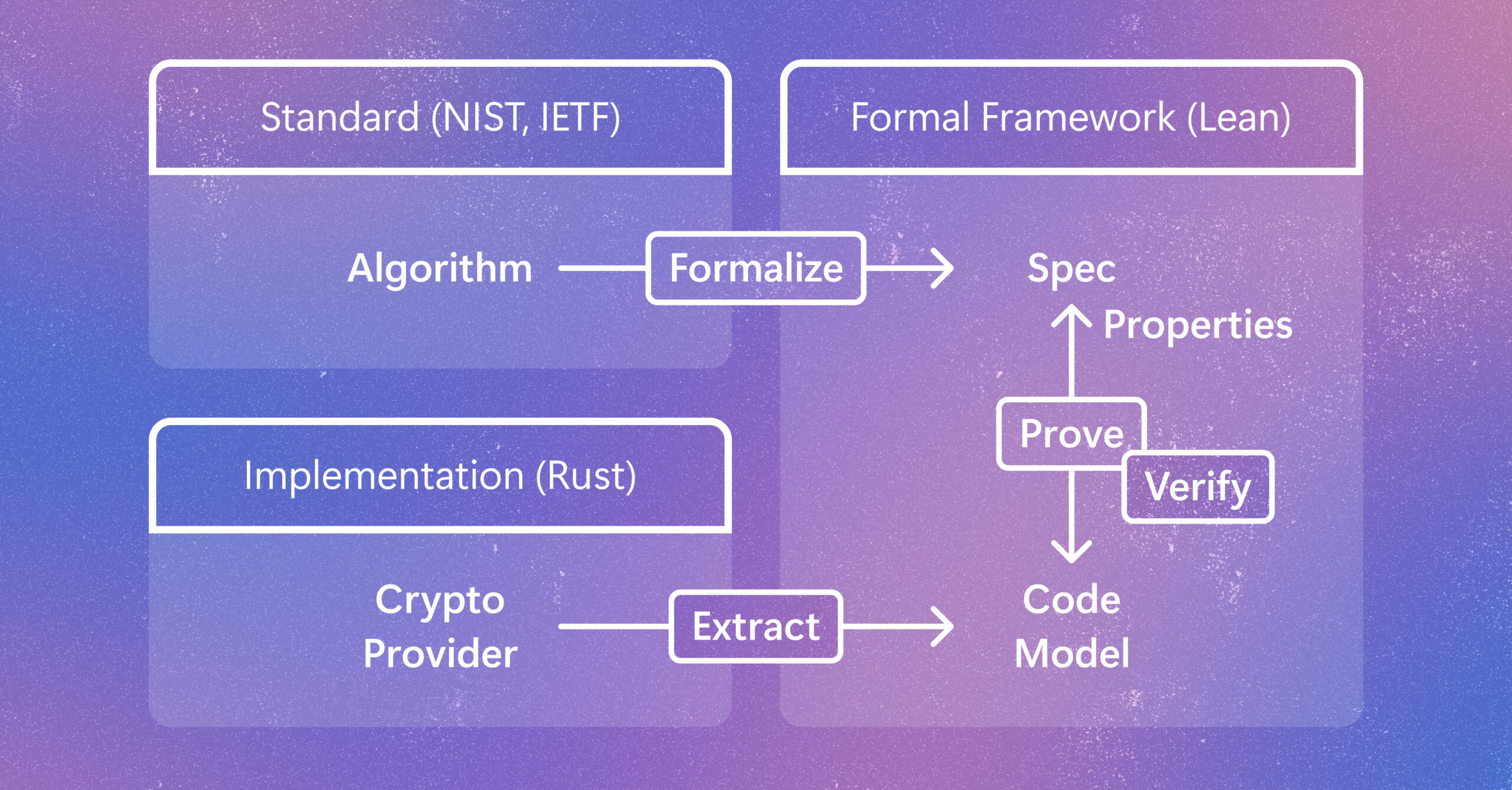
Cryptographic code supports vital protections in modern computing systems. Learn how a new method helps verify code as developers write it while preserving speed and adaptability as it gets implemented and evolves. The post Verifying Rust cryptography in SymCrypt, from standards to code appeared first on Microsoft Research.
We use cookies to run the site and, with your consent, for analytics and to show ads.
See our Cookie Policy.