Predicting patient satisfaction with post-small incision lenticule extraction surgery using open-source machine learning software.
Medicine
This study successfully developed and validated an explainable RF-based machine learning model for the prediction of postoperative ACD in highly myopic cataract patients, which supports more reliable IOL power calculation and offers a practical tool for optimizing surgical planning in highly myopic eyes.
The relationship between preoperative biometrics and postoperative equivalent power appears predominantly linear, Though larger datasets may enhance machine-learning performance, though larger datasets may enhance machine-learning performance.
Surgeon seniority was not a significant determinant of surgically induced astigmatism after phacoemulsification cataract surgery, and machine-learning models based on preoperative clinical data provided only limited predictive value, particularly for vector astigmatism outcomes.
A risk prediction model for post-clear aligner gingival embrasures was successfully developed and validated using multimodal oral data, with RF as the optimal algorithm that exhibits good discrimination, calibration, and clinical utility.
Machine learning models showed acceptable performance for predicting postoperative SSI after spinal surgery, suggesting that conventional statistical approaches may remain clinically useful in structured datasets.
XGBoost is retained as the principal model based on combined superiority in discrimination and calibration, with random forest as a robust comparator, and prospective external validation with recalibration is required before clinical adoption.
StudentSim is a research system for evaluating and improving AI tutoring tools before they are tested with learners. It models how individuals may engage with tutors, giving feedback to improve tutor performance across subjects like chess, writing, and mathematics. The post Simulating student learning for better AI tutoring appeared first on Microsoft Research.
An ongoing survey tracks the latest AI accelerator systems to keep hardware relevant for Lincoln Laboratory staff and sponsors.
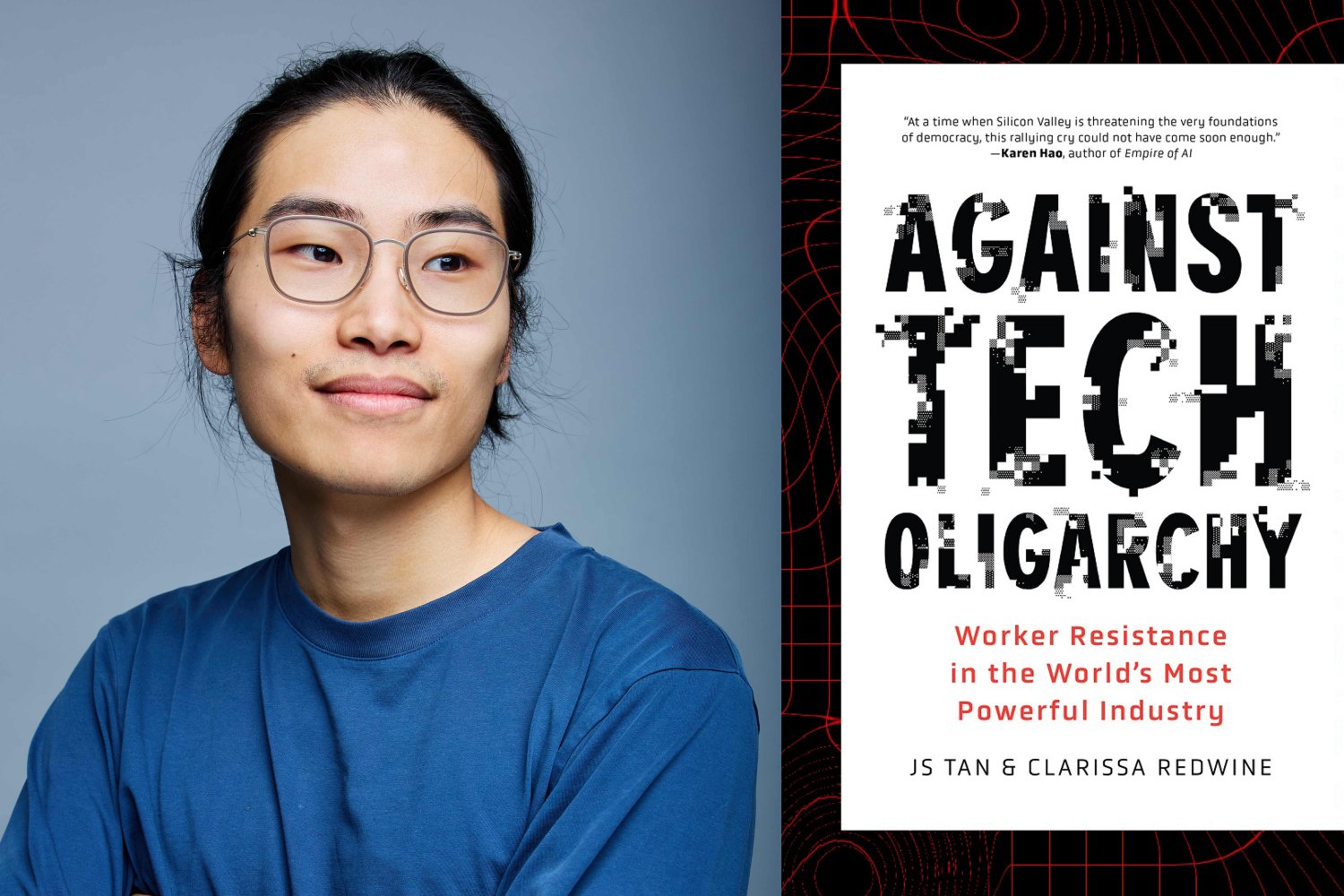
Writing as a participant and researcher, PhD student JS Tan SM ’22 has co-authored a new book about the rise of tech worker protests and the employer backlash that followed.
Writing as a participant and researcher, PhD student JS Tan SM ’22 has co-authored a new book about the rise of tech worker protests and the employer backlash that followed.
We use cookies to run the site and, with your consent, for analytics and to show ads. See our Cookie Policy.