
Time-Series Models in the Streamhouse: A New Frontier and Use Cases
More from the blog
Helping AI text detectors keep up with changing conditions
A more flexible training method can make AI text detectors more robust when new models emerge or AI-generated text is disguised to appear human.
Rumble-2-Flash: an open 0.5B speech model for 40+ languages
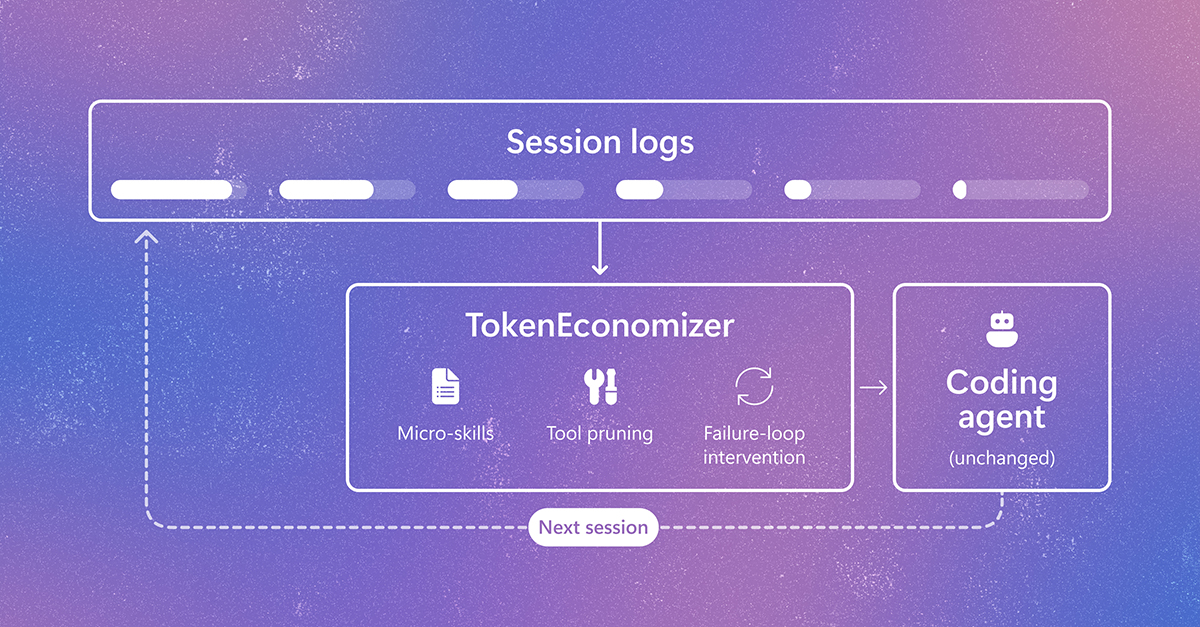
TokenEconomizer: Learning from Experience to Make AI Coding Agents More Efficient
AI coding agents are increasingly help developers fix bugs and build features largely on their own, but every interaction with their models consumes tokens. In each session, an agent sends instructions, tool descriptions, and session history to its model. Most efforts to reduce this cost focus on individual tasks. Yet developers return to the same […] The post TokenEconomizer: Learning from Experience to Make AI Coding Agents More Efficient appeared first on Microsoft Research.

Hugging Face and OpenRouter join forces to make open-weight models easy to run
We’re on a journey to advance and democratize artificial intelligence through open source and open science.
Related papers
Software Development in Startup Companies: The Greenfield Startup Model
The results are packaged in the Greenfield Startup Model (GSM), which explains the priority of startups to release the product as quickly as possible, and the need to shorten time-to-market, by speeding up the development through low-precision engineering activities.
Software Startups - A Research Agenda
Software startup companies develop innovative, software-intensive products within limited timeframes and with few resources, searching for sustainable and scalable business models.
“Failures” to be celebrated: an analysis of major pivots of software startups
This study conducts a case survey study based on the secondary data of the major pivots happened in 49 software startups, and demonstrates that customer need pivot is the most common among all pivot types.
A survey study on major technical barriers affecting the decision to adopt cloud services
The comparison of adopter and non-adopter sample reveals three potential adoption inhibitor, security, data privacy, and portability, which underlines the importance of the technical and security perspectives for research investigating the adoption of technology.