XMER: An Explainable Multimodal Emotion Recognition Framework for Trustworthy Human–AI Collaboration
Sneha P. Shirke
· Zenodo (CERN European Organi... · 0 citations
Category
2,868 papers
This paper presents a novel approach to causal reasoning and decision-making by integrating the strengths of neural and symbolic artificial intelligence. The core idea is to leverage the pattern recognition capabilities of neural networks to learn causal relationships while utilizing symbolic reasoning for logical infe...
This paper proposes a novel approach to reasoning in complex domains by integrating the strengths of neural networks and Bayesian networks. The core idea is to leverage neural networks for feature extraction and symbolic representation learning, subsequently feeding these representations into a Bayesian network to faci...
This paper explores the integration of predictive coding, a core mechanism in neuroscience, with symbolic computation to create a novel approach to artificial intelligence reasoning. The central argument is that by combining the pattern recognition capabilities of neural networks with the rule-based reasoning of symbol...
Reach audiences
Advertise in front of researchers, engineers, and readers.
This article proposes Neuro-Assisted Therapy (NAT), an experimental clinical architecture integrating therapeutic conversation, naturalistic or controlled-provocative experiences, multimodal psychophysiological acquisition, and explainable artificial intelligence. Its aim is not to read thoughts, reveal unconscious con...
The increasing deployment of deep learning models in critical applications necessitates a means to understand and trust their decisions. However, deep learning models are often 'black boxes,' offering limited insight into the reasoning behind their predictions. This paper proposes a novel approach to explain model deci...
This paper introduces a novel approach to enhancing the interpretability and robustness of neural models by integrating symbolic reasoning. We propose a hybrid model architecture where a neural network's attention weights are constrained and guided by symbolic rules. Simultaneously, the neural network learns to refine...
This paper proposes a novel approach to explainable artificial intelligence (XAI) by leveraging causal intervention methods. The core idea is to model systems using causal graphs and then employ techniques like do-calculus for precise intervention and control. Traditional intervention methods often lack interpretabilit...
Explainable AI (XAI) is a critical area of research aimed at increasing the transparency and interpretability of complex AI models. Traditional XAI techniques often focus on post-hoc explanations, which can be misleading or lack a deep understanding of the underlying causal relationships. This paper proposes a novel me...
This paper highlights how conversational AI systems (chatbots) mediate brand visibility during user‑initiated discovery. It explains why these systems surface some brands more readily than others, how structural behaviours in AI interaction shape exposure, and why this creates representational imbalance. The paper outl...
The increasing sophistication of cyber threats necessitates robust and reliable cybersecurity systems. However, many current AI-based threat detection systems operate as "black boxes," offering limited transparency and explainability. This paper proposes a novel approach to cybersecurity threat detection that integrate...
AntiMatter v1.23.1 is a theoretical research checkpoint and reproducibility release. It preserves the August 17, 2026 v1.23 audit and adds an efficiency-dependent energy calculation. No successful derivation of the observed matter-antimatter asymmetry or completed unified theory is claimed. The inherited audit identifi...
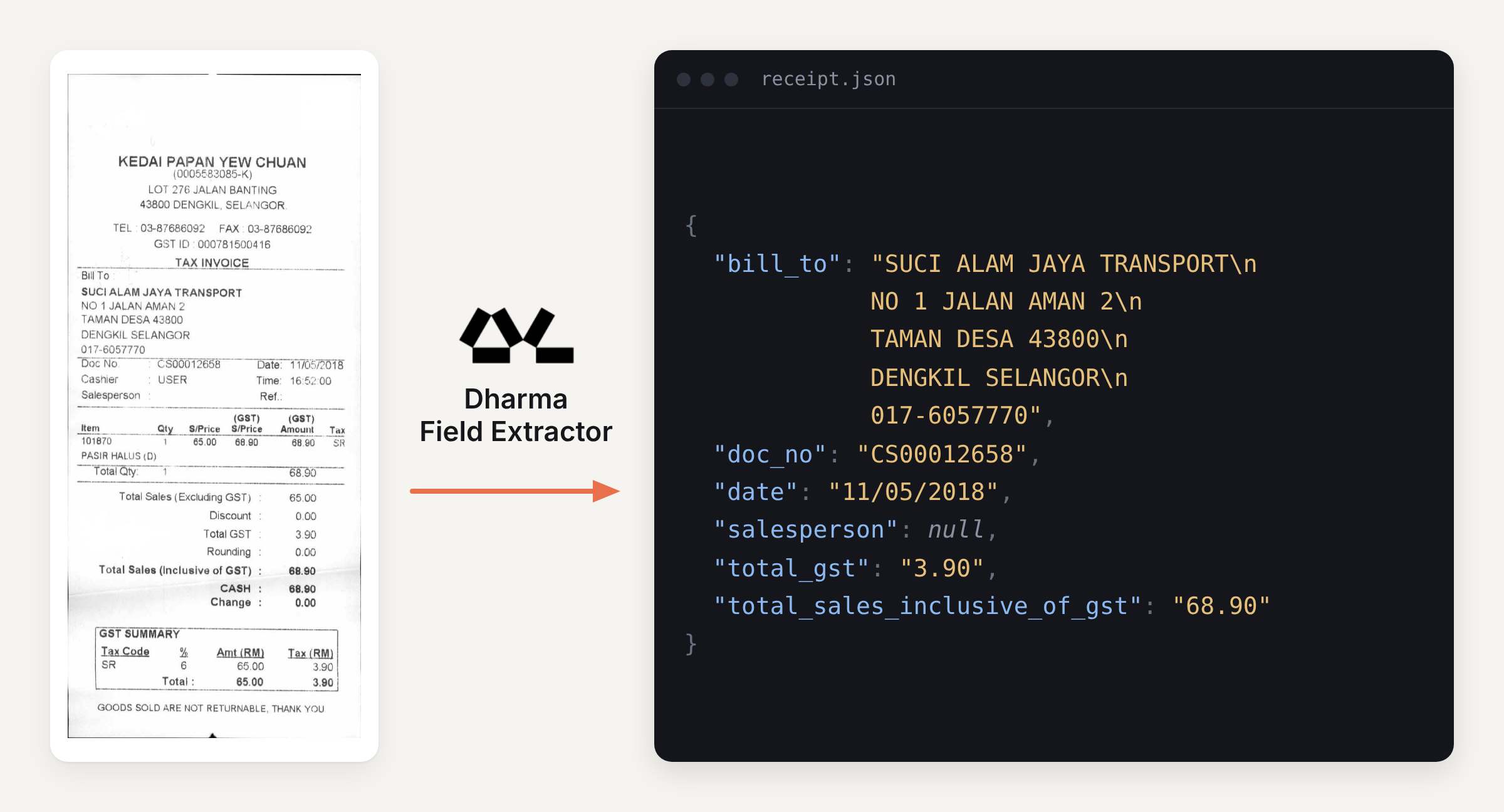
A Blog post by Dharma-AI on Hugging Face
Research Manager Mike Walker reflects on a career spanning hacker culture, cybersecurity, and AI, sharing lessons about trust, teamwork, leadership, and why solving difficult problems requires curiosity, judgment, agility—and an understanding of the rules. The post Learn the rules: The hacker mindset appeared first on Microsoft Research.
 GPT-Lab
· gpt-lab.eu
Nov 3, 2026
Is your company’s AI sovereign? A practical guide for CIOs on AI vendor lock-in, EU Data Act switching, cloud sovereignty, and testing your exit plan before you need it. The post Sovereignty Is the Option to Leave appeared first on GPT-Lab.
The MIT professors collaborated to identify the first AI-discovered antibiotic, a scientific breakthrough that is widely recognized as a milestone in AI-driven drug discovery.
Five MIT faculty members and two additional alumni are honored with fellowships to advance research on beneficial AI.
MIT professors Adam Berinsky and Chara Podimata discuss a new project to track how AI chatbots are responding to questions about the 2026 U.S. midterm elections.
We use cookies to run the site and, with your consent, for analytics and to show ads. See our Cookie Policy.