Sep 2026· Proceedings of the 2026 European Conference on Cognitive Ergonomics· 0 citations· 49 references
TL;DR
Examination of the satisfaction of psychological needs relates to AI dependency suggests that generative AI may function not only as a compensatory resource for unmet needs, but also as a primary context for need satisfaction, thereby reinforcing dependency-related patterns of use.
Abstract
The rapid diffusion of Artificial Intelligence (AI) is transforming everyday practices, raising concerns about emerging forms of excessive use and technological dependency. The present study, based on an online questionnaire with 306 participants aged 18–30, examined how the satisfaction of psychological needs relates to AI dependency. Drawing on Self-Determination Theory (SDT), need satisfaction was assessed both in everyday life and in the context of AI use, alongside a measure of AI dependency. Relationships among variables were examined using Structural Equation Modelling (SEM). Results revealed a contrasting pattern: basic psychological need satisfaction was negatively associated with AI dependency, whereas AI-specific need satisfaction showed a strong positive association. These findings suggest that generative AI may function not only as a compensatory resource for unmet needs, but also as a primary context for need satisfaction, thereby reinforcing dependency-related patterns of use. Contrary to expectations, the association between basic and AI-specific needs was weak, indicating that the two constructs operate as partially independent processes. Overall, the findings highlight the importance of distinguishing between basic and context-specific need satisfaction in understanding the psychological mechanisms underlying AI dependency.
Background With the increasing integration of artificial intelligence (AI) technologies into higher education, concerns have emerged regarding students’ growing dependency on AI tools. AI dependency refers to a maladaptive pattern of reliance on AI characterized by addiction-related symptoms. Grounded in the Interactio...
Shu-Yang Jiang, Nuo Xu· Psychology Research and Beha...· 0 citations
A culturally contextualized model for understanding AI’s influence on student well-being is offered and a framework for interventions that target central nodes in the network to promote healthier engagement with AI in academic settings is provided.
Fatma Khalifa Elsayed, Jahz Fahd Al-Mutairi, M. A. Moussa· BMC Psychology· 0 citations
The results suggest that GenAI use may support students' perceived learning and career readiness when it functions as a reflective augmentation tool involving verification, comparison, and independent judgement, while higher dependence is associated with weaker perceived learning and employability-related outcomes.
S. A. Shojaei, Firas Armosh, Raymond Lihe et al.· Frontiers in Education· 0 citations
The rapid integration of artificial intelligence (AI) into the workplace creates new opportunities while also posing psychological challenges for employees. This study examined the relationships among AI anxiety (AIA), life satisfaction (LS), negative affect (NA), and perceived social support (PSS) among office workers...
Ho Thi Nhat· Tạp chí Khoa học Đại học Côn...· 0 citations
As generative artificial intelligence (AI) becomes embedded in higher education, a troubling pattern has surfaced. Some students increasingly delegate thinking, judgment, and task completion to AI, and such reliance can quietly erode the very capacities-independent reasoning, learner autonomy, and critical engagement-t...
Yun-Fei Du, Yu-Hui Zeng, Chao-Yu Guo et al.· Acta Psychologica· 0 citations
Related blog posts
MIT News · Artificial Intelligence· news.mit.eduOct 23, 2026
Assistant Professor Benjamin Lindquist studies how engineers deliberately injected randomness into early AI, giving rise to deep-learning models that sometimes hallucinate.
MIT News · Artificial Intelligence· news.mit.eduOct 19, 2026
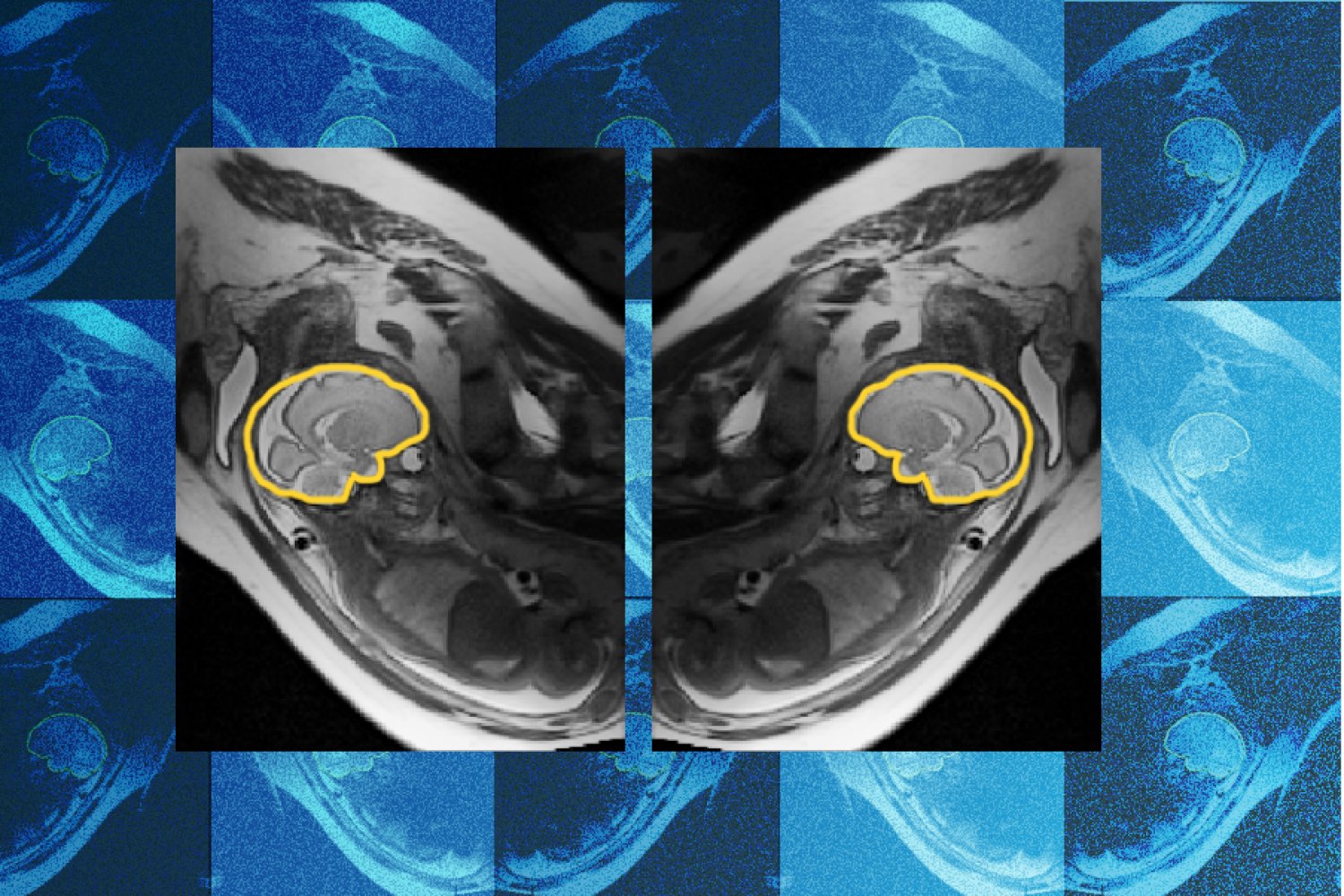
A model developed by researchers at MIT and Boston Children's Hospital adjusts scans on the fly to track fetal movement, potentially sparing families repeat hospital visits.
MIT News · Artificial Intelligence· news.mit.eduOct 18, 2026
A new computational approach reveals how cells communicate to assemble into tissues. This could accelerate stem cell engineering, improve disease models, and inform therapies.
We use cookies to run the site and, with your consent, for analytics and to show ads.
See our Cookie Policy.
