Skip to content
#small language model Review Open access

Artificial intelligence in colorectal cancer multidisciplinary decision-making: concordance, predictive support and clinical translation

Sep 2026 · Frontiers in Oncology · 0 citations · 39 references

Abstract

Multidisciplinary teams (MDTs) are central to colorectal cancer management, where treatment decisions increasingly depend on the integration of tumor stage, molecular characteristics, patient fitness, and multimodal treatment strategies. However, MDT workflows are time-consuming, subject to inter-team variability, and influenced by differences in expertise, local practices, and resource availability. Artificial intelligence (AI) has emerged as a potential support tool for data integration, standardization, and risk stratification. This review examines AI in colorectal cancer multidisciplinary decision-making, focusing on AI–MDT concordance, predictive models with potential relevance to MDT discussions, and clinical translation. Reported concordance between large language models and MDT decisions varies substantially and appears to be influenced by disease context, age, performance status, case complexity, input quality, and the inclusion of clinically important variables. Predictive models may provide additional prognostic information relevant to treatment planning. Prospective evidence of AI integrated into colorectal cancer MDT workflows remains very limited. Nevertheless, the literature remains limited by predominantly retrospective designs, small or selected cohorts, heterogeneous endpoints, and unresolved issues related to transparency, reproducibility, regulation, and accountability. Current evidence is insufficient to establish improvements in MDT decision quality or patient outcomes, and AI should therefore be regarded as a supervised support tool rather than a replacement for expert multidisciplinary judgment.

Read PDF

Similar papers

#computer vision Open access Jun 2016

Software Development in Startup Companies: The Greenfield Startup Model

The results are packaged in the Greenfield Startup Model (GSM), which explains the priority of startups to release the product as quickly as possible, and the need to shorten time-to-market, by speeding up the development through low-precision engineering activities.

Carmine Giardino, Nicolò Paternoster, M. Unterkalmsteiner et al. · 178 citations · ⚡14
#computer vision Open access Oct 2016

Software Startups - A Research Agenda

Software startup companies develop innovative, software-intensive products within limited timeframes and with few resources, searching for sustainable and scalable business models.

M. Unterkalmsteiner, P. Abrahamsson, Xiaofeng Wang et al. · 157 citations · ⚡17
#machine learning Review Open access Oct 2016

“Failures” to be celebrated: an analysis of major pivots of software startups

This study conducts a case survey study based on the secondary data of the major pivots happened in 49 software startups, and demonstrates that customer need pivot is the most common among all pivot types.

Sohaib Shahid Bajwa, Xiaofeng Wang, Anh Nguyen-Duc et al. · 127 citations · ⚡15
#computer vision Review Open access May 2015

A survey study on major technical barriers affecting the decision to adopt cloud services

The comparison of adopter and non-adopter sample reveals three potential adoption inhibitor, security, data privacy, and portability, which underlines the importance of the technical and security perspectives for research investigating the adoption of technology.

Nattakarn Phaphoom, Xiaofeng Wang, S. Samuel et al. · 111 citations · ⚡8
#computer vision Open access Feb 2018

Lean Internal Startups for Software Product Innovation in Large Companies: Enablers and Inhibitors

This study investigates how Lean internal startup facilitates software product innovation in large companies and identifies its enablers and inhibitors, and shows the potential of the method-in-action framework to investigate the Lean startup approach in non-startup context.

Henry Edison, Nina M. Smørsgård, Xiaofeng Wang et al. · 78 citations · ⚡6
#computer vision Conference Sep 2010

Exploring the Sources of Waste in Kanban Software Development Projects

The application of agile software methods and more recently the integration of Lean practices contribute to the trend of continuous improvement in the software industry. One such area warranting proper empirical evidence is a project’s operational efficiency when using the Kanban method. This short paper takes a new an...

Marko Ikonen, Petri Kettunen, Nilay V. Oza et al. · 67 citations · ⚡9

Related blog posts

Microsoft Research Blog Sep 29, 2026

Introducing Quine: An AI research system designed for the complexity of biology

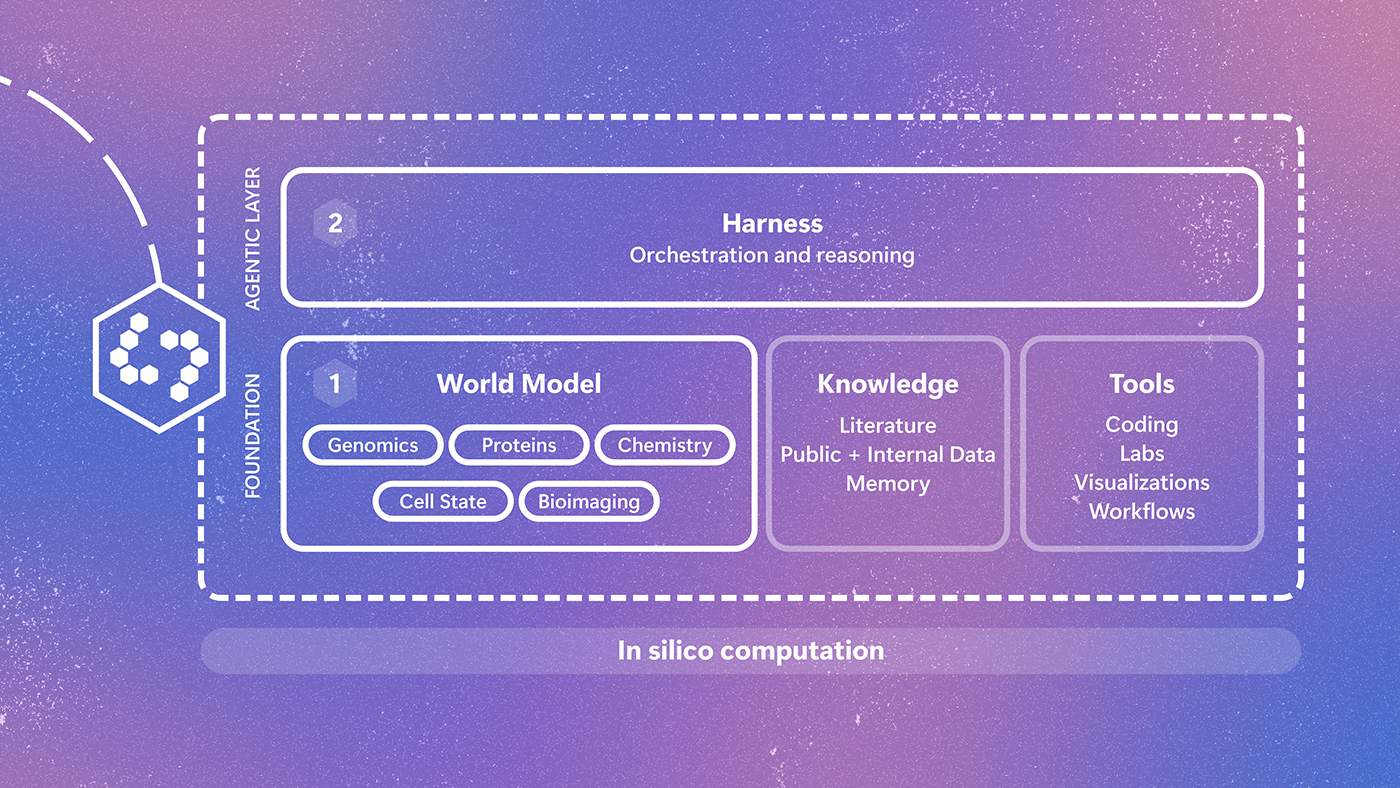
Biology doesn't operate in silos, and neither should the AI representation of it. Quine is an early-stage research effort to create a multimodal world model of biology. By connecting insights across biological scales and modalities, Quine helps scientists computationally search a space far larger than intuition allows and prioritize hypotheses before they reach the lab. Experimental results provide important feedback, helping researchers sharpen future research directions. The post Introducing Q…

MIT News · Artificial Intelligence Sep 24, 2026

Estimating suicide risk from text

A new language-processing tool could help identify the highest-risk individuals from natural language, enabling swifter interventions.

Microsoft Research Blog Sep 21, 2026

Improving synthesis prediction of small molecules at scale with RetroChimera

Custom-made molecules are advancing medicine, materials, and agriculture, but producing them is slow and expensive. A new Nature paper highlights RetroChimera, a predictive model that helps accelerate chemical synthesis, helping researchers explore a wide range of molecules. The post Improving synthesis prediction of small molecules at scale with RetroChimera appeared first on Microsoft Research.

We use cookies to run the site and, with your consent, for analytics and to show ads. See our Cookie Policy.