Skip to content

Deep reinforcement learning-driven discovery of a MsbA-targeted small-molecule antibiotic for the treatment of Acinetobacter baumannii infection

Sep 2026 · bioRxiv · 0 citations
Biology

Abstract

Antibiotics with new mechanisms are highly pursued to address the threat of infections caused by drug-resistant Gram-negative bacteria. Targeting MsbA, a key protein of the lipopolysaccharide biosynthesis pathway, represents a promising strategy to discover new classes of antibiotics. However, currently available MsbA-targeted molecules either lack sufficient potency or have unfavorable properties, necessitating expansion of chemical space. In this study, we chose the most promising cerastecin Cpd 4 as the template, and used two Artificial Intelligence (AI)-based tools, i.e. Link-INVENT and AutoMolDesigner for molecular design, performed chemical derivatization and antibacterial activity evaluation, which led to the discovery of Y-11 (MIC for A. baumannii: 0.5 μg/mL). Encouragingly, Y-11 showed equivalent potency to Cpd4 for carbapenem-resistant A. baumannii, and less cytotoxicity and hemolysis as well as lower spontaneous resistance frequency. In vivo efficacy study demonstrated that Y-11 could effectively reduce bacterial loads in the mice infected by A. baumannii. The following mechanism study including molecular dynamics simulation, biochemical assay, and transmission electron microscope (TEM) analysis suggested that Y-11 inhibited the transport of lipooligosaccharide and impaired the formation of outer membrane, probably by competitively binding to the substrate binding site of MsbA and modulating ATPase activity. Taken together, we have discovered a MsbA-targeted small molecule Y-11 via AI-driven drug design, which provides a foundation for future antibiotic development.
Read PDF

Similar papers

#machine learning Review Open access Oct 2014

Software development in startup companies: A systematic mapping study

The results indicate that software engineering work practices are chosen opportunistically, adapted and configured to provide value under the constrains imposed by the startup context.

Nicolò Paternoster, Carmine Giardino, M. Unterkalmsteiner et al. · 394 citations · ⚡54
#machine learning Review Open access Jun 2014

Why Early-Stage Software Startups Fail: A Behavioral Framework

This state-of-practice investigation was performed using a literature review followed by a multiple-case study approach and presents how inconsistency between managerial strategies and execution can lead to failure by means of a behavioral framework.

Carmine Giardino, Xiaofeng Wang, P. Abrahamsson · 175 citations · ⚡19
#machine learning Review Open access Oct 2016

“Failures” to be celebrated: an analysis of major pivots of software startups

This study conducts a case survey study based on the secondary data of the major pivots happened in 49 software startups, and demonstrates that customer need pivot is the most common among all pivot types.

Sohaib Shahid Bajwa, Xiaofeng Wang, Anh Nguyen-Duc et al. · 127 citations · ⚡15
#machine learning Review Open access May 2016

Key Challenges in Software Startups Across Life Cycle Stages

It is found that what perceived as biggest challenges by software startups do vary across different life cycle stages, even though its significance decreases when the learning focuses of the startups move from problem to solution and their products mature.

Xiaofeng Wang, Henry Edison, Sohaib Shahid Bajwa et al. · 62 citations · ⚡6

Related blog posts

Microsoft Research Blog Sep 30, 2026

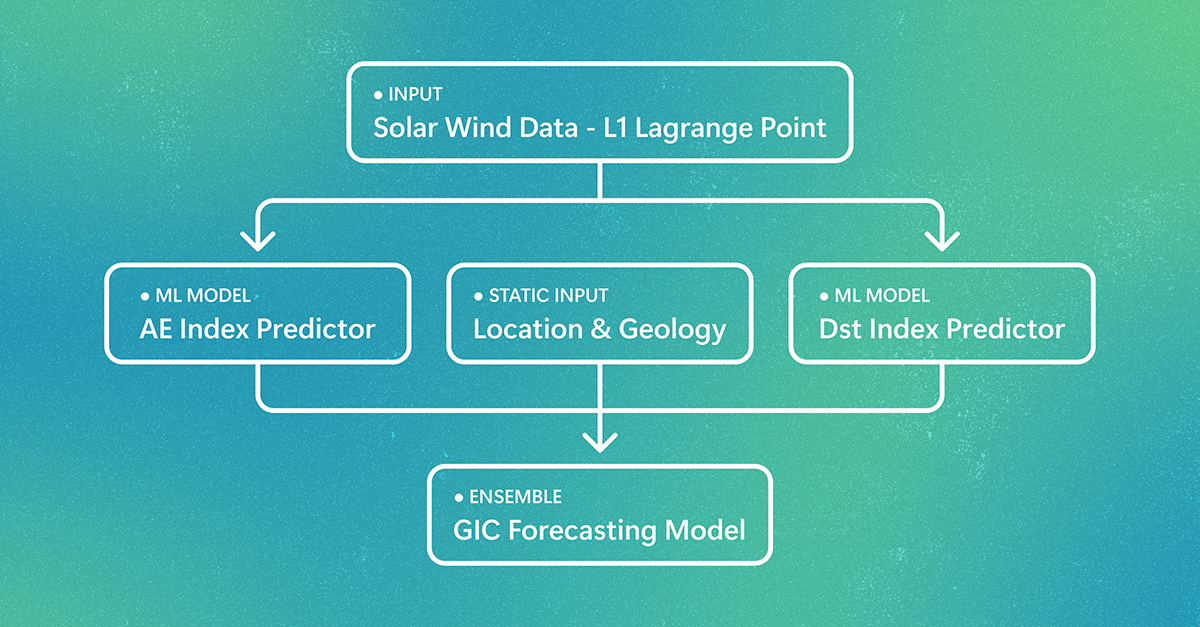
Forecasting space weather risks on power grids

Extreme space-weather events can damage power systems on Earth and degrade GPS accuracy and satellite operations. A new machine learning system can predict where damage is likely to occur 30-60 minutes before a storm arrives. The post Forecasting space weather risks on power grids appeared first on Microsoft Research.

We use cookies to run the site and, with your consent, for analytics and to show ads. See our Cookie Policy.