Skip to content
#software testing Review Open access

An Empirical Study on Organizational Deviance Behaviors Among Bank Employees

Aug 2026 · Selcuk Universitesi Sosyal Bilimler Enstitusu Dergisi · 0 citations · 14 references

Abstract

The aim of this study is to determine the levels of organizational deviance behaviors among employees in the banking sector, to identify the sub-dimensions of organizational deviance, and to examine whether these behaviors differ according to employees’ demographic characteristics. The population of the study consists of employees working in public and private banks operating in the city center and districts of Konya. Within the scope of the sample determined based on a 95% confidence level and a 5% margin of error, data were collected from 470 bank employees using a survey method. To measure organizational deviance behaviors, the “Workplace Deviance Scale” developed by Bennett and Robinson (2000) and adapted into Turkish was utilized. The collected data were analyzed using the SPSS 22 statistical software package; descriptive statistics, factor analysis, reliability analysis, t-test, ANOVA, Kruskal–Wallis, and correlation analyses were employed. The findings indicate that organizational deviance behaviors are more strongly associated with organizational processes and work environment–related factors rather than individual demographic characteristics. By examining organizational deviance behaviors within the context of the banking sector, this study contributes to the literature and provides important implications for managers regarding the evaluation of employee behaviors within the framework of preventive and developmental human resource policies.


Read PDF

Similar papers

Open access Sep 2026

The Impact of Organizational Culture on Innovative Work Behaviors: A Study on Technopark Enterprises in the TR83 Region

Abstract This study investigates the influence of organizational values, norms, and underlying assumptions on innovative work behaviors among employees working in Technopark enterprises located in the TR83 Region (Samsun, Çorum, and Tokat). Drawing on data collected from 257 participants, the research employs normal...

Fuat Ferit Yazar, M. Öncül · 0 citations
Open access Aug 2026

The Impact of Personal Value on the Organizational Deviant Behavior: Applied of employees at Trade and Industry Ministry

This study examines the effects of Personal Value by its diminutions (Family Relationship, Social Relationship, Personal Growth Development, Religion Spirituality, And Community Citizenship) on Organizational Deviate Behaviors, including (Organizational Deviance, Interpersonal Deviance, And The Awareness of Deviant Beh...

Dilan Fouad Kareem Sherwani, Walaa Jawdat Ali, Ilona Świątek-Barylska · 0 citations
Review Open access Aug 2026

Improving Employee Performance Through the Implementation of Individual Behavior as an Effort to Create an Organization with Character

Individual behavior is an important factor in determining employee performance and organizational effectiveness. Differences in attitudes, perceptions, abilities, and work behaviors among employees can influence how tasks are performed and organizational goals are achieved. This study aims to examine the influence of i...

Darka, Allyya Saputra · 0 citations

: Structural

S. Balouch, Humaira Dogar, Abdul Shakoor Soomro · 0 citations
Open access Aug 2026

Analysis of the level of motivation and organizational performance in companies in the state of Coahuila.

This study analyzes the variable of motivation as a central axis influencing work performance. Specifically, it explores the relationship between work motivation and employee performance within an organization located in the Coahuila. A quantitative methodological approach was employed, using a non-experimental, cross-...

J. L. López Robles, J. M. Montalvo Morales, Osiris María Echeverría Ríos · 0 citations

Related blog posts

Microsoft Research Blog Oct 12, 2026

Simulating student learning for better AI tutoring

StudentSim is a research system for evaluating and improving AI tutoring tools before they are tested with learners. It models how individuals may engage with tutors, giving feedback to improve tutor performance across subjects like chess, writing, and mathematics. The post Simulating student learning for better AI tutoring appeared first on Microsoft Research.

MIT News · Artificial Intelligence Oct 2, 2026

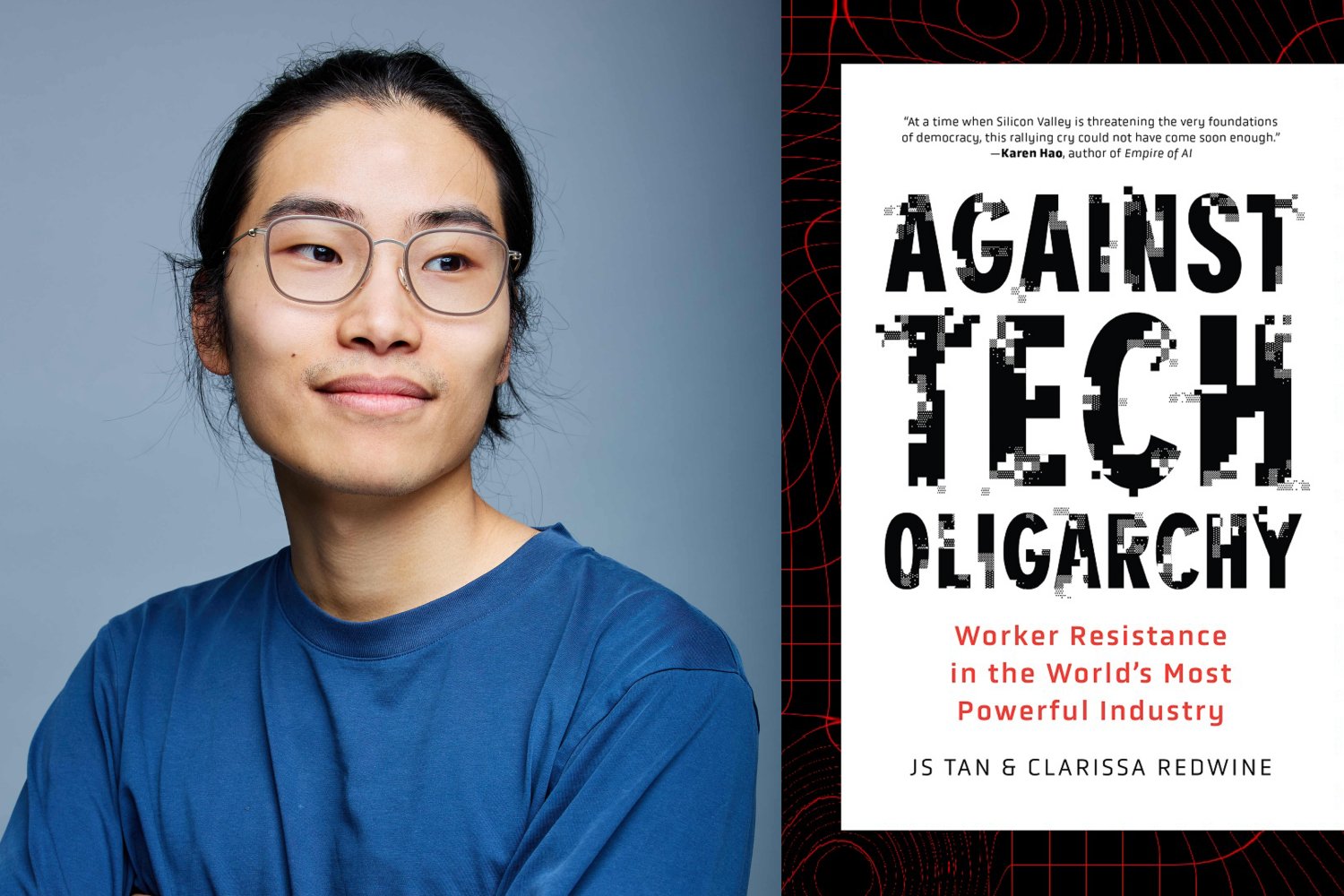
Documenting the tech worker movement

Writing as a participant and researcher, PhD student JS Tan SM ’22 has co-authored a new book about the rise of tech worker protests and the employer backlash that followed.

We use cookies to run the site and, with your consent, for analytics and to show ads. See our Cookie Policy.