The principles that shape cardiovascular ASO candidate development are discussed, with emphasis on mechanism selection, chemical design, and exposure feasibility, and sequence optimization with exposure-informed target qualification and therapeutic-index engineering throughout ASO candidate selection.
D. Park, Anja Bühler, Christian Schöllhorn et al.· Expert Opinion on Drug Disco...· 0 citations
Emerging biomarkers are fundamental for the transition to precision medicine in IBD, aiming to enhance pathogenesis understanding, personalize therapies, and improve patient quality of life, establishing pathways for more effective, individualized management approaches.
Matheus Querino da Silva, João Daniel de Souza Menezes, José Luis Esteves Francisco et al.· PLoS ONE· 0 citations
Across April and May 2026, the nucleic acid therapeutics field saw broad regulatory momentum, continued clinical advancement, and significant manufacturing investment, with AI-driven drug discovery also advanced.
This paper summarizes recent advances in biosensor technologies, AI-derived biomarkers, and predictive frameworks used to help identify patients more accurately, monitor their progress continuously, and receive optimized therapies.
The integration of computational prediction with programmable genome and RNA engineering may support more precise, adaptable, and clinically translatable mRNA therapeutics.
Haixing Shi, Shengbin Liu, Dan-Ling Dai et al.· MedComm – Biomaterials and A...· 0 citations
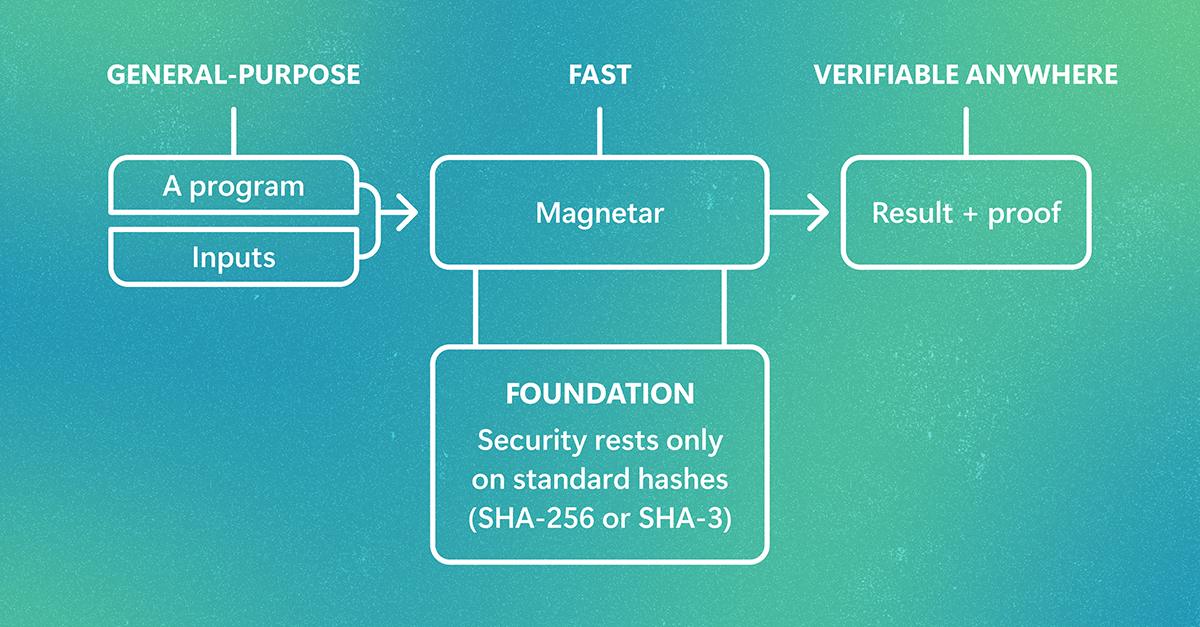
Zero-knowledge proofs can verify computing results without rerunning workloads or exposing sensitive data. Magnetar helps bring them into the mainstream with support for standard programming languages, major speed gains, and quantum-resistant security. The post Proof-based general-purpose computing with Magnetar appeared first on Microsoft Research.