Sep 2026· New Directions for Student Leadership· Vol 2026, pp. 117 - 124· 0 citations· 31 references
Medicine
TL;DR
This qualitative case study examines how associate deans at a medium-sized Catholic university respond to the rapid integration of generative artificial intelligence and recommends flexible, collaborative approaches to AI governance that attend to context, care, and diverse ways of knowing.
Abstract
This qualitative case study examines how associate deans at a medium‐sized Catholic university respond to the rapid integration of generative artificial intelligence (AI). Guided by decolonial and feminist frameworks, the study analyzes survey data from seven academic leaders to understand their concerns, decision‐making processes, and emerging practices. Our findings reveal uneven adoption, limited institutional guidance, and ongoing concerns about academic integrity, equity, and bias. The study also highlights the often‐unseen relational and emotional labor involved in supporting faculty and students. We conclude by recommending flexible, collaborative approaches to AI governance that attend to context, care, and diverse ways of knowing.
It is concluded that in order for undergraduate education to continue to be relevant in a society where AI is pervasive, governance must change toward process-oriented evaluation and relational originality.
Joe Mutebi, Brian Mugisha, Ibrahim Adabara et al.· F1000Research· 0 citations
Examination of how educators interpret GenAI as a “disorienting dilemma” and how patterns in faculty discourse differ across two cross-sectional cohorts during the first year of widespread adoption underscores the need for institutionally supported, human-centered approaches to GenAI integration.
Gibin Raju, T. Balart, Kristi J. Shryock· Education sciences· 0 citations
This article argues student leadership programs can turn AI from a plagiarism risk into a laboratory for craft intelligence and deliberate stewardship, which safeguards how knowledge is created, tested, and shared.
Christine Haskell· New Directions for Student L...· 0 citations
This narrative review challenges the dominant narrative that African university lecturers are unprepared or resistant to artificial intelligence (AI), asking instead: what happens when willing, innovative academics encounter institutional environments that systematically thwart their agency? Synthesizing 52 peer-review...
M. Banda· International journal of re...· 0 citations
Related blog posts
MIT News · Artificial Intelligence· news.mit.eduNov 20, 2026
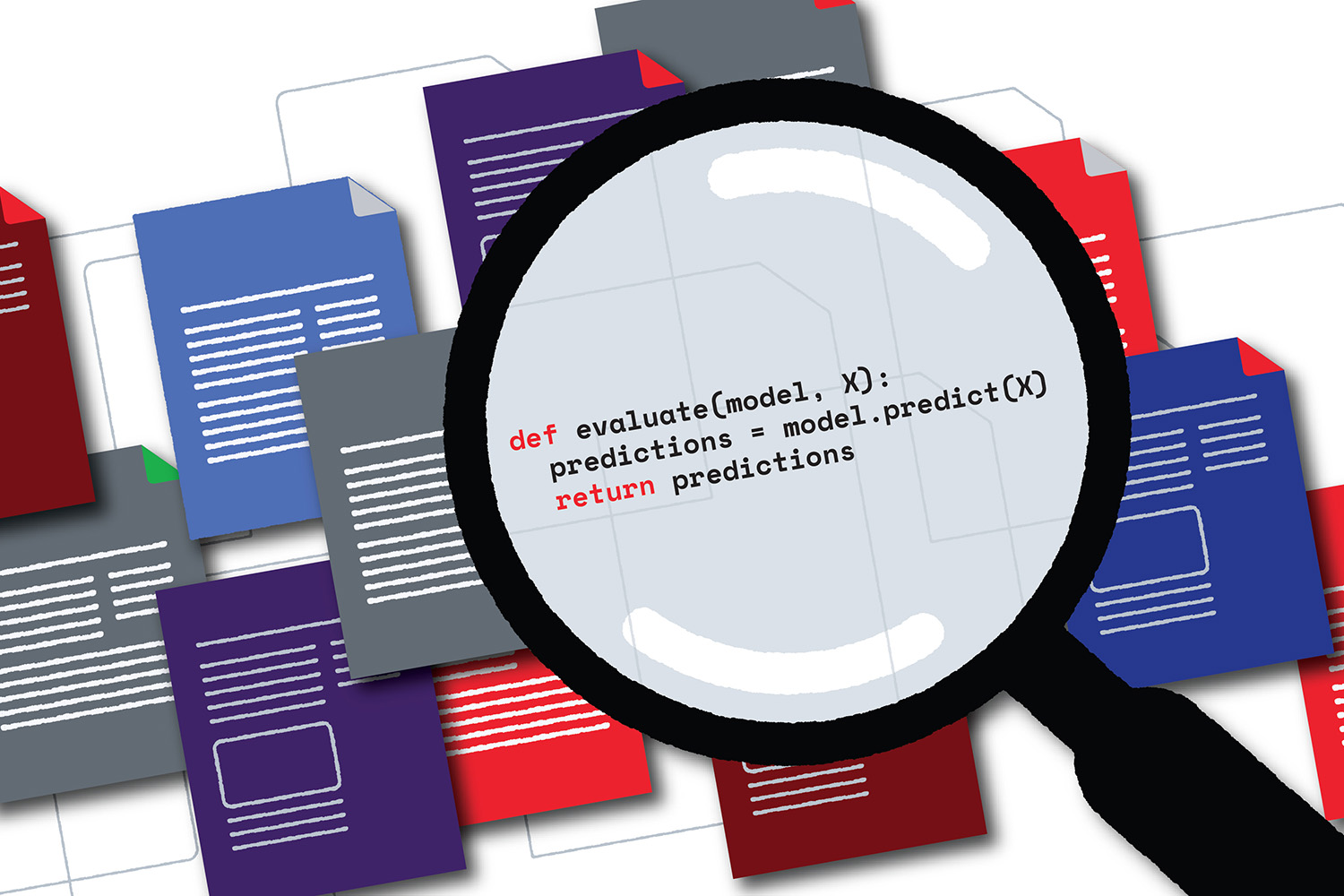
An MIT and Dana-Farber Institute-led team used large language models to examine nearly 4,000 studies and hundreds of code repositories, revealing gaps in the information needed to scrutinize and reuse published research.