

MIT Transit Lab to develop an AI platform for public transit agencies
With $2.1 million funding from Google.org, the open-source Public Transit Intelligence Hub will unify public transit monitoring, operations, and passenger communication.
More from the blog

Following the “mathocalypse,” mathematicians consider the future
A panel discussion at MIT explored AI’s implications for mathematical discovery and the people who make it their profession.
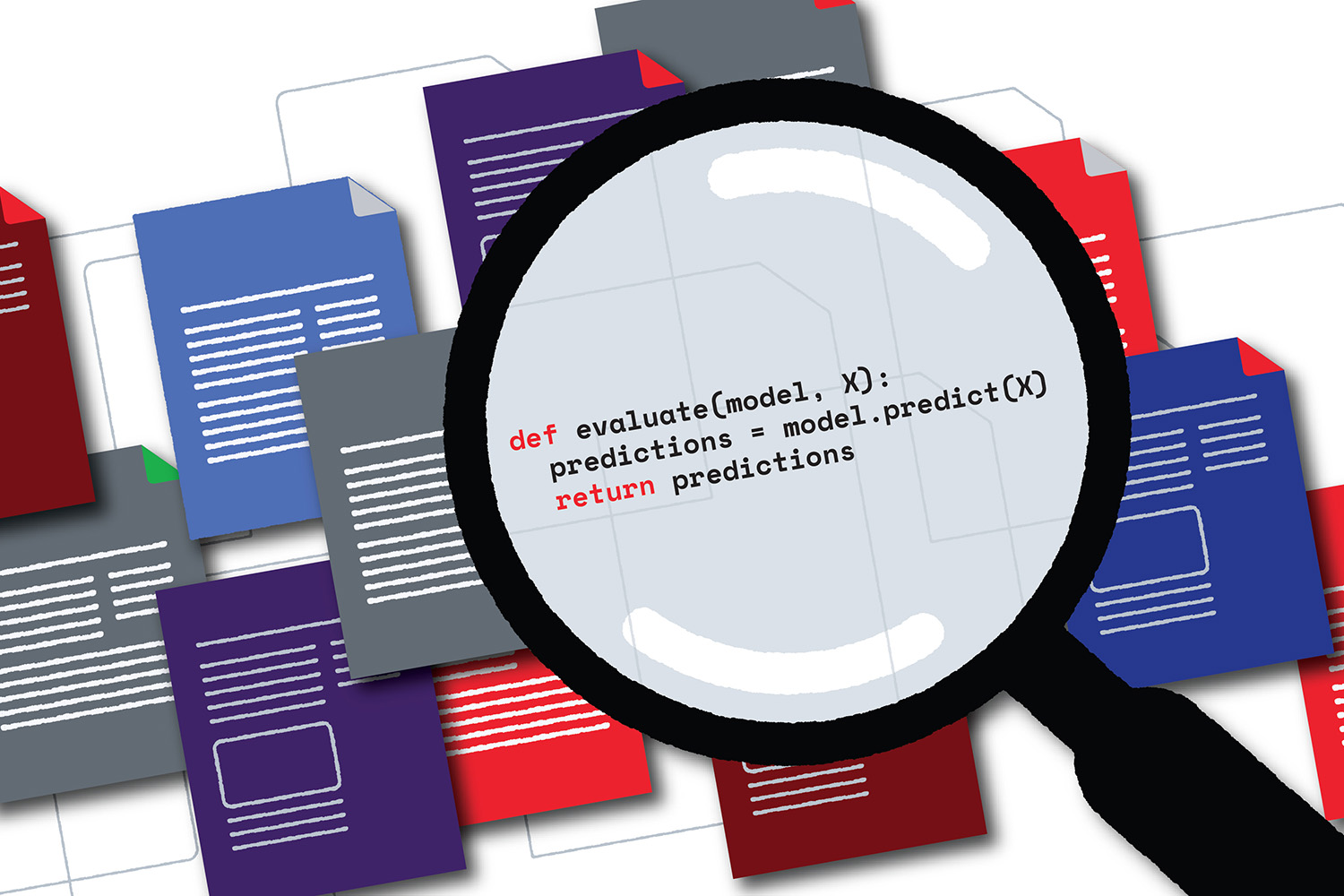
AI helps researchers investigate how thousands of medical studies share code
An MIT and Dana-Farber Institute-led team used large language models to examine nearly 4,000 studies and hundreds of code repositories, revealing gaps in the information needed to scrutinize and reuse published research.

Putting a spotlight on AI, society, and humanity
Supported by the MIT Human Insight Collaborative, scholars are exploring how AI is impacting the human experience and reshaping higher education.
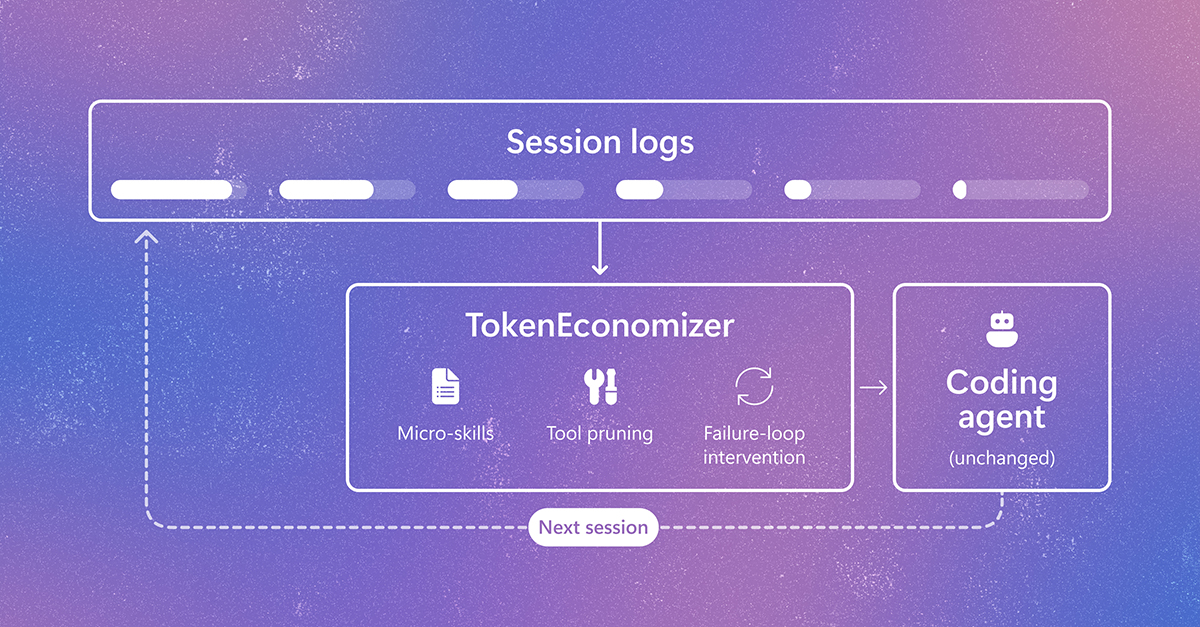
TokenEconomizer: Learning from Experience to Make AI Coding Agents More Efficient
AI coding agents are increasingly help developers fix bugs and build features largely on their own, but every interaction with their models consumes tokens. In each session, an agent sends instructions, tool descriptions, and session history to its model. Most efforts to reduce this cost focus on individual tasks. Yet developers return to the same […] The post TokenEconomizer: Learning from Experience to Make AI Coding Agents More Efficient appeared first on Microsoft Research.
Related papers
ECCOLA - a Method for Implementing Ethically Aligned AI Systems
The method, ECCOLA, is presented, which aims at making the high-level AI ethics principles more practical, making it possible for developers to more easily implement them in practice.
The Key Concepts of Ethics of Artificial Intelligence
It is suggested that the focus on finding keywords is the first step in guiding and providing direction for future research in the AI ethics field.
AI Ethics in Industry: A Research Framework
This paper discusses a research framework for implementing AI ethics in industrial settings and presents a starting point for empirical studies into AI ethics but is still being developed further based on its practical utilization.
A Multiple Case Study of Artificial Intelligent System Development in Industry
This investigation revealed different types of AI systems and different AI development approaches, but it is common that business opportunities involving with AI systems are not validated and there is lack of business-driven metrics that guide the development ofAI systems.