
This game-playing AI is the new champ at Stratego
Able to defeat top-ranked human players and more efficient than other models, the new system could help decision-makers in military maneuvers or business negotiations.
More from the blog
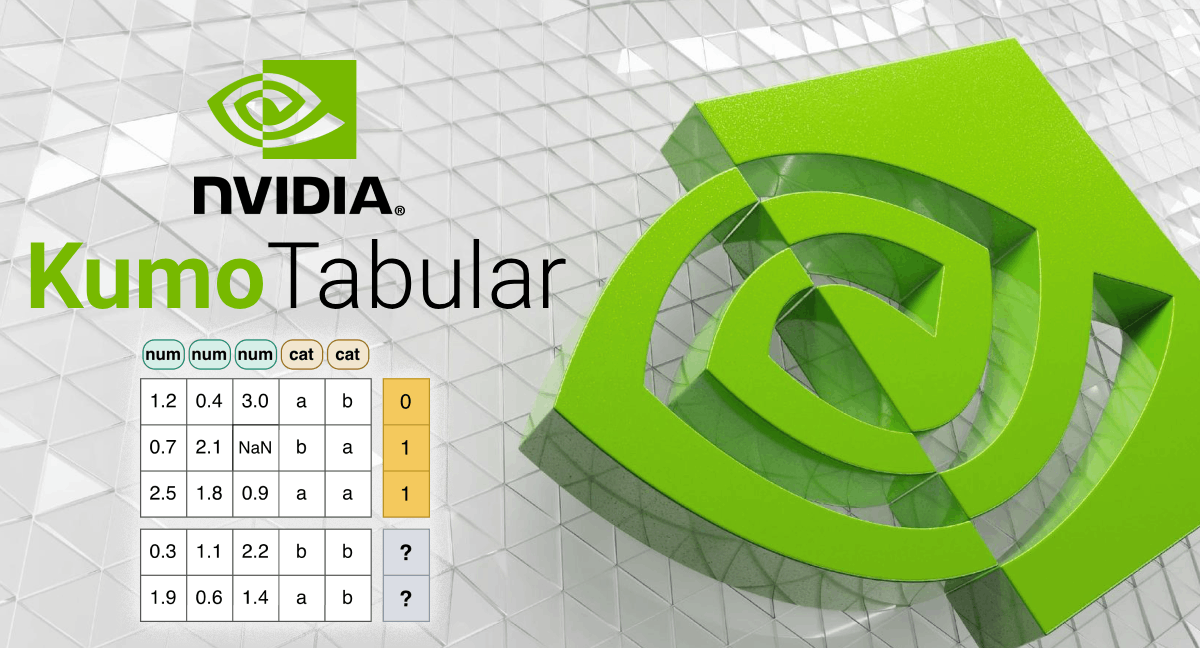
NVIDIA Kumo Tabular Sets a New Accuracy-Efficiency Frontier for Tabular Prediction
A Blog post by NVIDIA on Hugging Face

Who we become when we talk to machines
Professor Sherry Turkle’s new book, “Artificial Intimacy,” offers a withering critique of chatbots and the antisocial dynamics she believes they encourage.

New formulation helps RNA vaccines withstand high temperatures
MIT engineers have found a way to stabilize the lipid nanoparticles used to deliver RNA vaccines, which could allow the vaccines to be more widely distributed.

Estimating suicide risk from text
A new language-processing tool could help identify the highest-risk individuals from natural language, enabling swifter interventions.
Related papers
AI-powered Code Review with LLMs: Early Results
The goal is to not only refine the accuracy of the LLM-based tool but also to underscore its potential in streamlining the software development lifecycle through proactive code improvement and education.
LLM-based agents for automating the enhancement of user story quality: An early report
The use of large language models to automatically improve the user story quality in Austrian Post Group IT agile teams is explored, with a reference model for an Autonomous LLM-based Agent System developed and implemented at the company.
System for systematic literature review using multiple AI agents: Concept and an empirical evaluation
This paper introduces a novel multi-AI-agent system designed to fully automate SLRs, and demonstrates how it substantially reduces the time and effort traditionally required for SLRs while maintaining comprehensiveness and precision.
Can Large Language Models Serve as Data Analysts? A Multi-Agent Assisted Approach for Qualitative Data Analysis
The proposed LLM-based multi-agent system automates qualitative data analysis process, creating opportunities for researchers and practitioners, and future improvements focus on enhancing multilingual performance and integrating continuous expert feedback.