This study confirms the diagnostic performances of EDIT-B showing that A-to-I RNA editing coupled with ML methods is a reliable approach to distinguish BD from MDD, a significant advance towards precision psychiatry.
D. Weissmann, N. Salvetat, C. Cayzac et al.· BMJ mental health· 0 citations
BACKGROUND AND AIMS
Vascular calcification predicts cardiovascular mortality more strongly than traditional risk factors, yet its molecular basis remains poorly understood. The burden is greatest in chronic kidney disease (CKD), where disordered mineral metabolism accelerates arterial mineral deposition.
METHODS
Cros...
Shen Li, Hong-Bo Liu, Su-Jin Lee et al.· European Heart Journal· 0 citations
Plant oils are renewable sources of fatty acids with diverse biological, nutritional, and industrial applications. Our research focuses on developing plant-based production systems for two valuable types of fatty acids: hydroxy fatty acids (HFAs) and high-oleic oils. Using metabolic engineering and CRISPR/Cas9 genome e...
Hyun Uk Kim· Zenodo (CERN European Organi...· 0 citations
Plant oils are renewable sources of fatty acids with diverse biological, nutritional, and industrial applications. Our research focuses on developing plant-based production systems for two valuable types of fatty acids: hydroxy fatty acids (HFAs) and high-oleic oils. Using metabolic engineering and CRISPR/Cas9 genome e...
Hyun Uk Kim· Zenodo (CERN European Organi...· 0 citations
Reach audiences
Advertise in front of researchers, engineers, and readers.
This work establishes the first germline-edited heterozygous DFNA5-mutant chicken model using primordial germ cell mediated genome editing and demonstrates that genetic disruption of DFNA5 markedly attenuates Raptinal-induced pyroptosis and reduces IL-1β and IL-18 secretion.
Jin-Gui Hao, Fei-Yi Wang, Man Xue et al.· Transgenic research· 0 citations
This review aims to provide a brief historical overview of genetic counseling and its evolution, addressing the qualified professionals and clinical requirements necessary to obtain a diagnosis and post-test guidance across different stages of patients' lives. Recent advances in the understanding of genetic diseases an...
A. Perez, M. Cernach, M. Migliavacca· Current Pediatrics Reports· 0 citations
Genome editing, CRISPR screening, base and prime editing, regulatory-element assays, and inducible protein-depletion systems now allow increasingly precise and high-throughput characterization of coding and noncoding variants, enabling a transition in CHD research from descriptive genomics to integrated, multi-model ap...
Sukanya Raghu, A. Tamta, S. Dey et al.· Current Treatment Options in...· 0 citations
Exosomes are an evolved sub-type of extracellular vesicles (EVs) that have gained popularity in recent years as a novel biological nanocarrier system for targeted precision therapy in cancer owing to their excellent biocompatibility, low immunogenicity, and high stability. While other artificial systems can only delive...
Mohd Masih Uzzaman Khan, M. A. Khan, Mohd Azam et al.· Cells· 0 citations
Drought and low nitrogen often co-occur in forests, yet their combined effects cannot be inferred reliably from single-stress studies. This review synthesizes physiological and molecular evidence for tree responses to combined drought and low nitrogen at four levels, namely stress perception, signal transduction, metab...
Yang Xu, Zhao Yang, Li-Jing Yu et al.· International Journal of Mol...· 0 citations
Background/Objectives: Mitochondrial plasticity, reflected by the capacity of cancer cells to shift between oxidative phosphorylation and glycolytic metabolism in response to genetic alterations and changes in the tumor microenvironment, represents a key feature of melanoma progression. Sphingolipids contribute to the...
Davide Capoferri, L. Mignani, M. Corli et al.· Lipidology· 0 citations
Ex vivo expansion is a fundamental yet challenging step in the manufacturing of adoptive cell therapies (ACT), as therapeutic success relies on generating enough functional immune cells while maintaining their phenotype, metabolic fitness, and persistence. This review provides a comprehensive overview of immunomodulato...
Weng-Wan Chan, Estella Zhi Yu Lim, D. Choudhury· Frontiers in Immunology· 0 citations
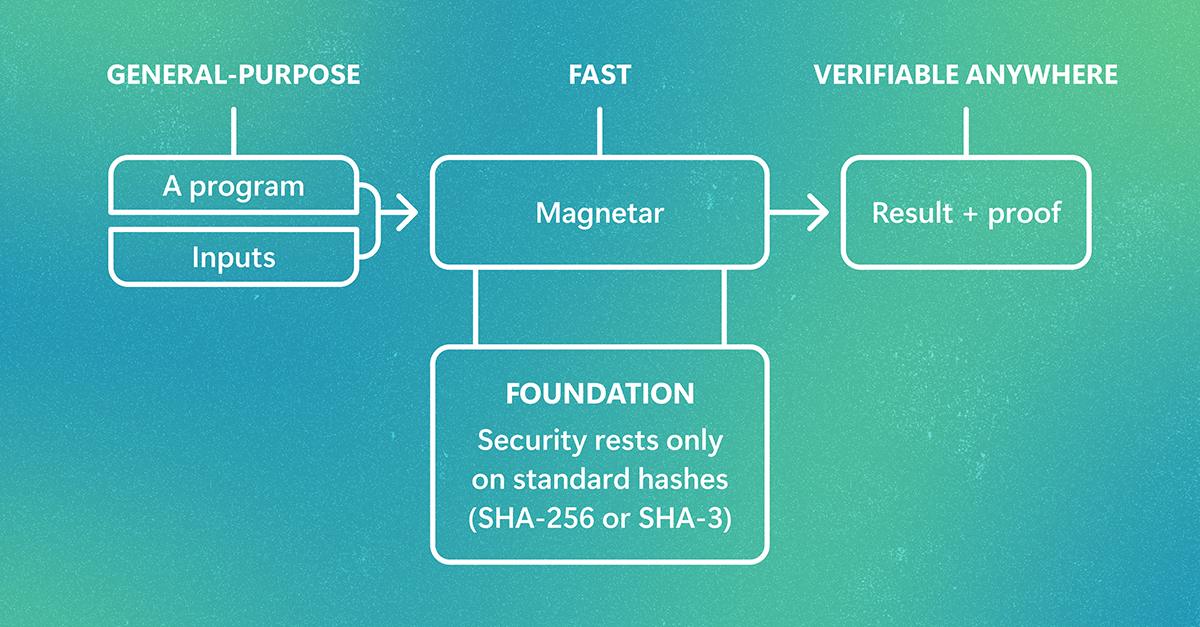
Zero-knowledge proofs can verify computing results without rerunning workloads or exposing sensitive data. Magnetar helps bring them into the mainstream with support for standard programming languages, major speed gains, and quantum-resistant security. The post Proof-based general-purpose computing with Magnetar appeared first on Microsoft Research.
Exploring how generative AI could make machine vision more accessible to businesses. The post GenEye in a Box: Making Machine Vision Something You Can Just Ask For appeared first on GPT-Lab.
We use cookies to run the site and, with your consent, for analytics and to show ads.
See our Cookie Policy.