Skip to content
#protein folding Open access

Purification, Characterization, and In Vitro Safety Assessment of the Antimicrobial Peptide SAM-KB40 from Bacillus licheniformis SAM-D318.

Sep 2026 · Applied Biochemistry and Biotechnology · 0 citations · 58 references
Medicine

Abstract

Antimicrobial peptides (AMPs) are a diverse class of bioactive molecules that exert their effects through multiple mechanisms, including membrane disruption, inhibition of cell wall synthesis, interference with intracellular targets, and binding to nucleic acids or proteins. They exhibit broad-spectrum antimicrobial activity and a low propensity to induce drug resistance, positioning them as promising candidates for combating multidrug-resistant infections. However, their clinical translation faces significant challenges, including protease susceptibility, potential cytotoxicity, high production costs, and suboptimal pharmacokinetic properties. In this study, a strain of Bacillus licheniformis SAM-D318 isolated from Hu sheep intestine was used as the peptide-producing strain; genomic analysis confirmed the absence of classical virulence toxin genes despite intrinsic multidrug resistance. A previously unreported cationic α-helical antimicrobial peptide, SAM-KB40 (4176.92 Da, pI 10.886), was obtained from the fermentation supernatant of B. licheniformis SAM-D318 and purified using cation-exchange chromatography and C18 reversed-phase chromatography, achieving a 70.45-fold increase in specific activity. Structural prediction by PEP-FOLD4 suggested an α-helical propensity in the C-terminal region, while circular dichroism spectroscopy indicated that SAM-KB40 adopts a predominantly random coil conformation in aqueous solution. The peptide exhibited potent antibacterial activity against Clostridium perfringens (MIC = 0.5 µg/mL, MBC = 4 µg/mL) and showed selective inhibition against Staphylococcus aureus and Listeria monocytogenes. SAM-KB40 demonstrated exceptional thermal stability (> 97% activity retained at 100 °C for 60 min), good tolerance to acidic conditions (pH 3-4) and bile salts (up to 0.50%), and remarkably low hemolytic activity (1.96% at 1000 µg/mL). Notably, the peptide neutralized recombinant C. perfringens α-toxin at 16 µg/mL in a Vero cell-based assay and exhibited no cytotoxicity at concentrations up to 128 µg/mL, demonstrating a favorable in vitro safety profile.Sequence homology analysis against UniProt, NCBI, APD, and BACTIBASE databases confirmed that SAM-KB40 has not been previously reported. While the peptide shows promising in vitro dual antibacterial and toxin-neutralizing capacity, its high sensitivity to proteinase K (39.78% residual activity) limits oral application. These findings position SAM-KB40 as a promising lead candidate for further development as a feed additive or therapeutic agent against C. perfringens-associated diseases, pending subsequent in vivo validation.
Read PDF

Similar papers

#computer vision Review Open access May 2015

A survey study on major technical barriers affecting the decision to adopt cloud services

The comparison of adopter and non-adopter sample reveals three potential adoption inhibitor, security, data privacy, and portability, which underlines the importance of the technical and security perspectives for research investigating the adoption of technology.

Nattakarn Phaphoom, Xiaofeng Wang, S. Samuel et al. · 111 citations · ⚡8
#computer vision Open access Feb 2018

Lean Internal Startups for Software Product Innovation in Large Companies: Enablers and Inhibitors

This study investigates how Lean internal startup facilitates software product innovation in large companies and identifies its enablers and inhibitors, and shows the potential of the method-in-action framework to investigate the Lean startup approach in non-startup context.

Henry Edison, Nina M. Smørsgård, Xiaofeng Wang et al. · 78 citations · ⚡6
#computer vision Book Open access Jul 2015

Understanding the affect of developers: theoretical background and guidelines for psychoempirical software engineering

This paper highlights the challenges to conduct proper affect-related studies with psychology, provides a comprehensive literature review in affect theory, and proposes guidelines for conducting psychoempirical software engineering.

D. Graziotin, Xiaofeng Wang, P. Abrahamsson · 56 citations · ⚡4
#machine learning Open access May 2017

What Influences the Speed of Prototyping? An Empirical Investigation of Twenty Software Startups

This study conducts a multiple case study on twenty European software startups and proposes a prototype-centric learning model in early stage software startups, and identifies factors that occur as barriers but also facilitators for prototyping in earlystage software startups.

Anh Nguyen-Duc, Xiaofeng Wang, P. Abrahamsson · 44 citations · ⚡5
#protein folding Open access Sep 2026

Programmable design of functional proteins from natural language

Pinal, a 16-billion-parameter foundation model that produces protein candidates from natural-language functional descriptions, supports natural language as a high-level interface for candidate generation in protein design, enabling programmable exploration with reduced reliance on manually specified structural or sequence constraints.

Fengyuan Dai, Shiyang You, Yudian Zhu et al. · 31 citations · ⚡3

Related blog posts

MIT News · Artificial Intelligence Aug 27, 2026

Looking beyond natural sequences

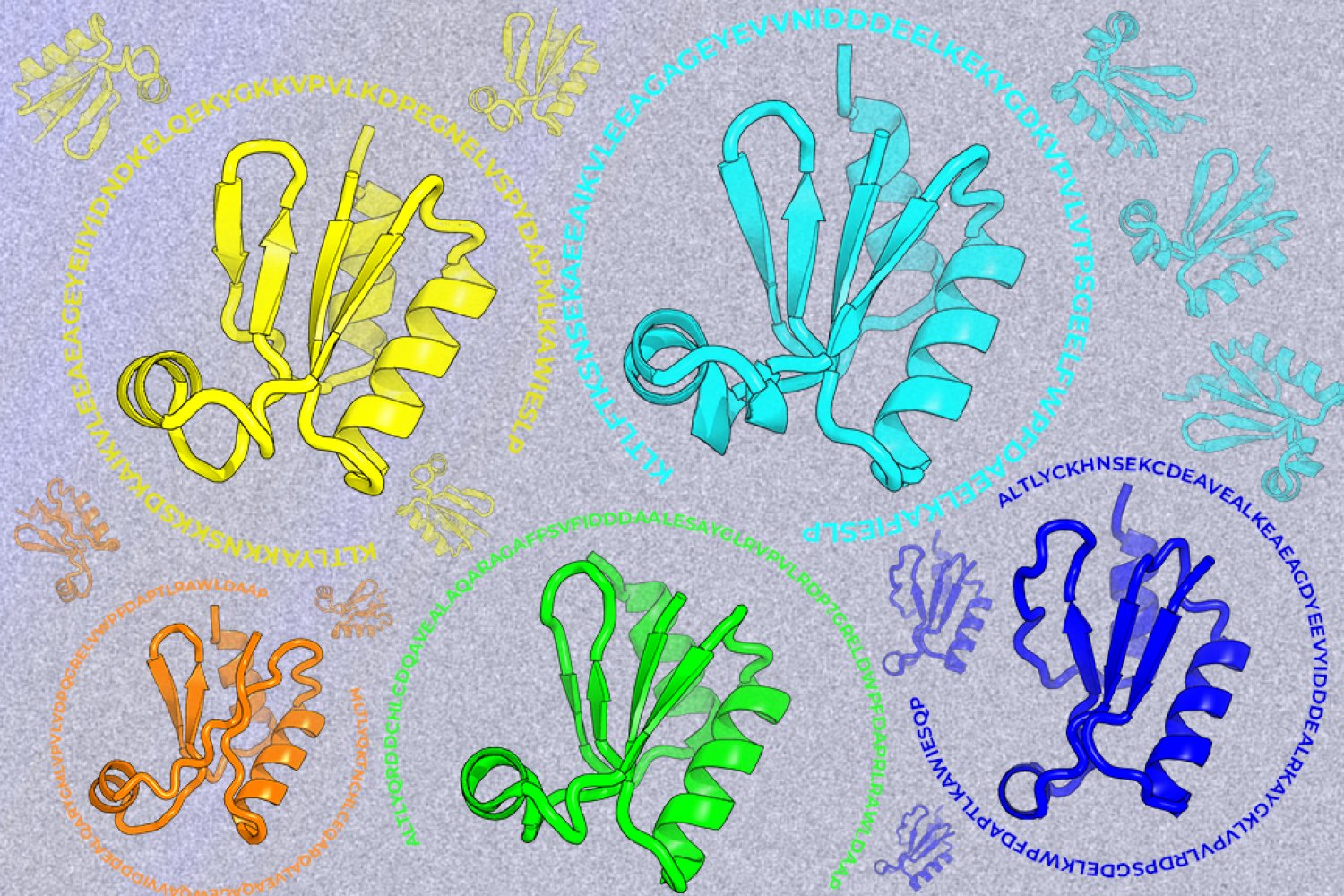
A new machine-learning framework aims to improve the success rate of computational protein design while moving away from results that reproduce sequences found in nature.

Google DeepMind Blog Nov 25, 2025

AlphaFold: Five years of impact

Explore how AlphaFold has accelerated science and fueled a global wave of biological discovery.

We use cookies to run the site and, with your consent, for analytics and to show ads. See our Cookie Policy.