Diverse structural features and putative functional roles of early-stage Austropuccinia psidii effector proteins
TL;DR
Successive genome improvements reveal that while AP5292 and AP143 remain conserved, AP1260 and especially AP10948 have expanded into highly divergent multi-haplotype families, with AP10948 now comprising 25 tandemly duplicated variants.
Abstract
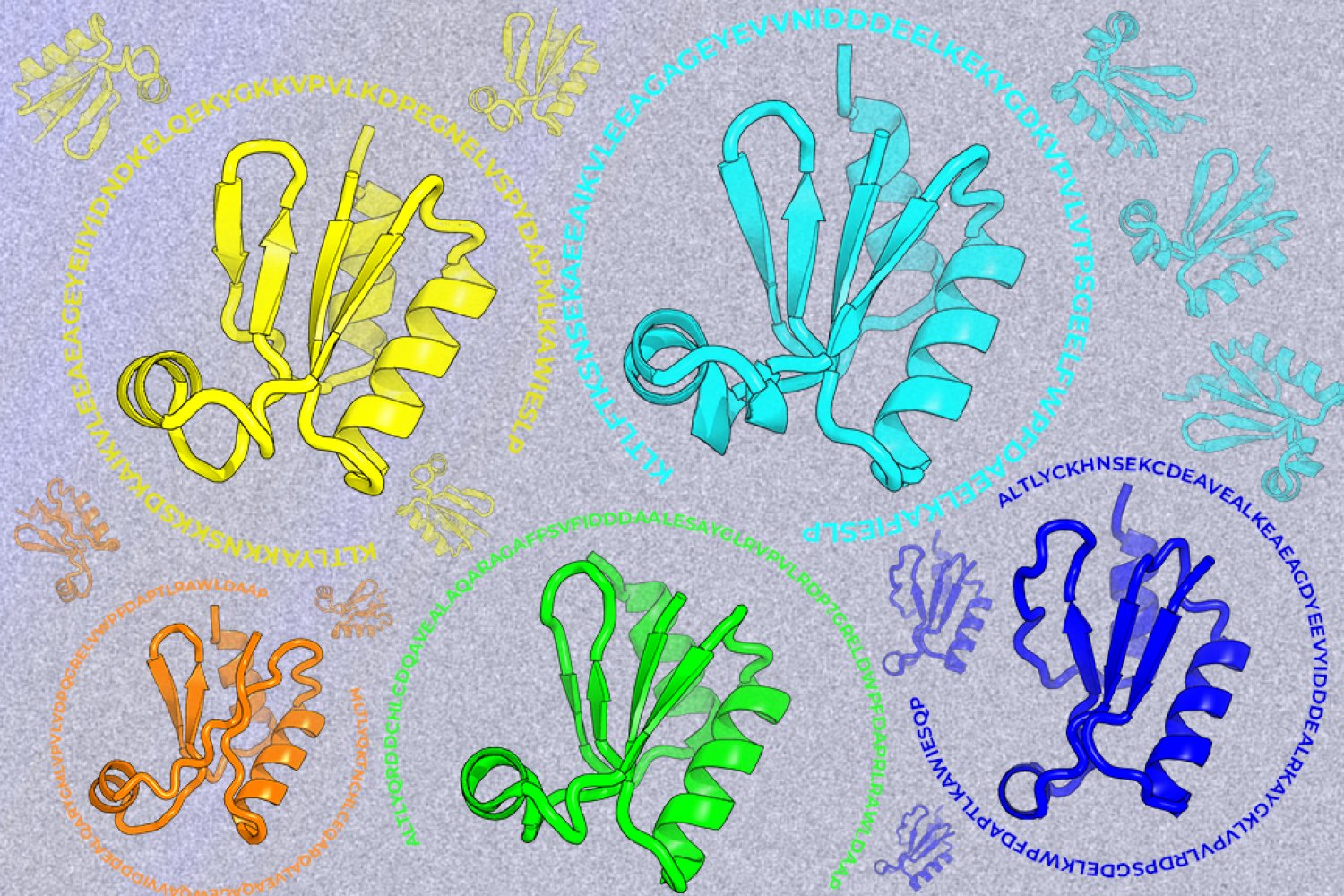
The fungus Austropuccinia psidii is an invasive pathogen of myrtaceous plants. During infection, A. psidii uses ‘effector’ proteins to manipulate various host plant cellular processes. Four effector proteins (AP1260, AP5292, AP10948, and AP143) have been identified as being important during the first 24 h of infection. However, there are no data on the molecular role these effectors play during infection. Here we report a bioinformatic analysis of these candidate effector proteins to generate experimental hypotheses. Successive genome improvements reveal that while AP5292 and AP143 remain conserved, AP1260 and especially AP10948 have expanded into highly divergent multi-haplotype families, with AP10948 now comprising 25 tandemly duplicated variants. Sequence homology searches show that all effectors exhibit low sequence homology across rust fungi and AP10948 appears to be unique to A. psidii. The effectors contain secretion signals, typical of effectors, and are predicted cytoplasmic effectors, functioning within the plant cell. Structural modelling predicts they contain regions of disorder, but all except AP10948 have folded regions. AP1260 shares weak structural similarity with N-acetyl-D-glucosamine binding folds, and AP5292 with MAX/ToxB-like fungal effectors. AP10948 has no meaningful structural matches. AP143 has significant structural homology to kiwellins, papain inhibitors, expansins, and cellulose-binding domains, suggesting potential roles in cell-wall interaction or protease inhibition. Protein physicochemical properties of these effectors are reported, which are useful for future laboratory work. Insights from these bioinformatic analyses provide a basis for further biophysical research into their true roles and functions, clarifying how A. psidii can infect its wide host and geographical range.