Jul 2017· Journal of Systems and Software· Vol abs/1707.00432, pp. 32-47· 236 citations· ⚡ 13 influential· 64 references
Computer SciencePsychology
TL;DR
Consequences of happiness and unhappiness that are beneficial and detrimental for developers' mental well-being, the software development process, and the produced artifacts are found.
Abstract
The growing literature on affect among software developers mostly reports on the linkage between happiness, software quality, and developer productivity. Understanding happiness and unhappiness in all its components -- positive and negative emotions and moods -- is an attractive and important endeavor. Scholars in industrial and organizational psychology have suggested that understanding happiness and unhappiness could lead to cost-effective ways of enhancing working conditions, job performance, and to limiting the occurrence of psychological disorders. Our comprehension of the consequences of (un)happiness among developers is still too shallow, being mainly expressed in terms of development productivity and software quality. In this paper, we study what happens when developers are happy and unhappy while developing software. Qualitative data analysis of responses given by 317 questionnaire participants identified 42 consequences of unhappiness and 32 of happiness. We found consequences of happiness and unhappiness that are beneficial and detrimental for developers' mental well-being, the software development process, and the produced artifacts. Our classification scheme, available as open data enables new happiness research opportunities of cause-effect type, and it can act as a guideline for practitioners for identifying damaging effects of unhappiness and for fostering happiness on the job.
A theoretical framework is constructed that expands assumptions about individual motivation to include the idea of a long-term, value-informed quest beyond short-term rewards, and contains three theoretical conjectures that seek to explain how collectively elaborated standards of excellence prompt developers to produce...
G. von Krogh, Stefan Haefliger, S. Spaeth et al.· 0 citations
This study investigates professional developers' attitudes, decision-making, and development practices related to software energy consumption, with particular emphasis on how energy considerations are recognized, assessed, and acted upon during software development.
Max Weber, Alina Mailach, Florian Sattler et al.· 0 citations
Interviews with sixteen early-adopter software professionals who integrated LLM-based tools into their day-to-day work in early to mid-2023 offer actionable implications for developers, organizations, educators, and tool designers seeking to integrate LLMs responsibly into professional software practice.
Benyamin T. Tabarsi, Heidi Reichert, Sam Gilson et al.· Empirical Software Engineeri...· 22 citations· ⚡1
The results show that usability discussions exhibit a non-linear behavior over time, with periods of growth followed by stabilization, suggesting a gradual maturation of the topic within the developer community.
A series of articles to interviewing ESE practitioners from various companies to understand how ESE processes are implemented in industry, e.g, how practitioners decide on what to study, how research results are used within companies and beyond.
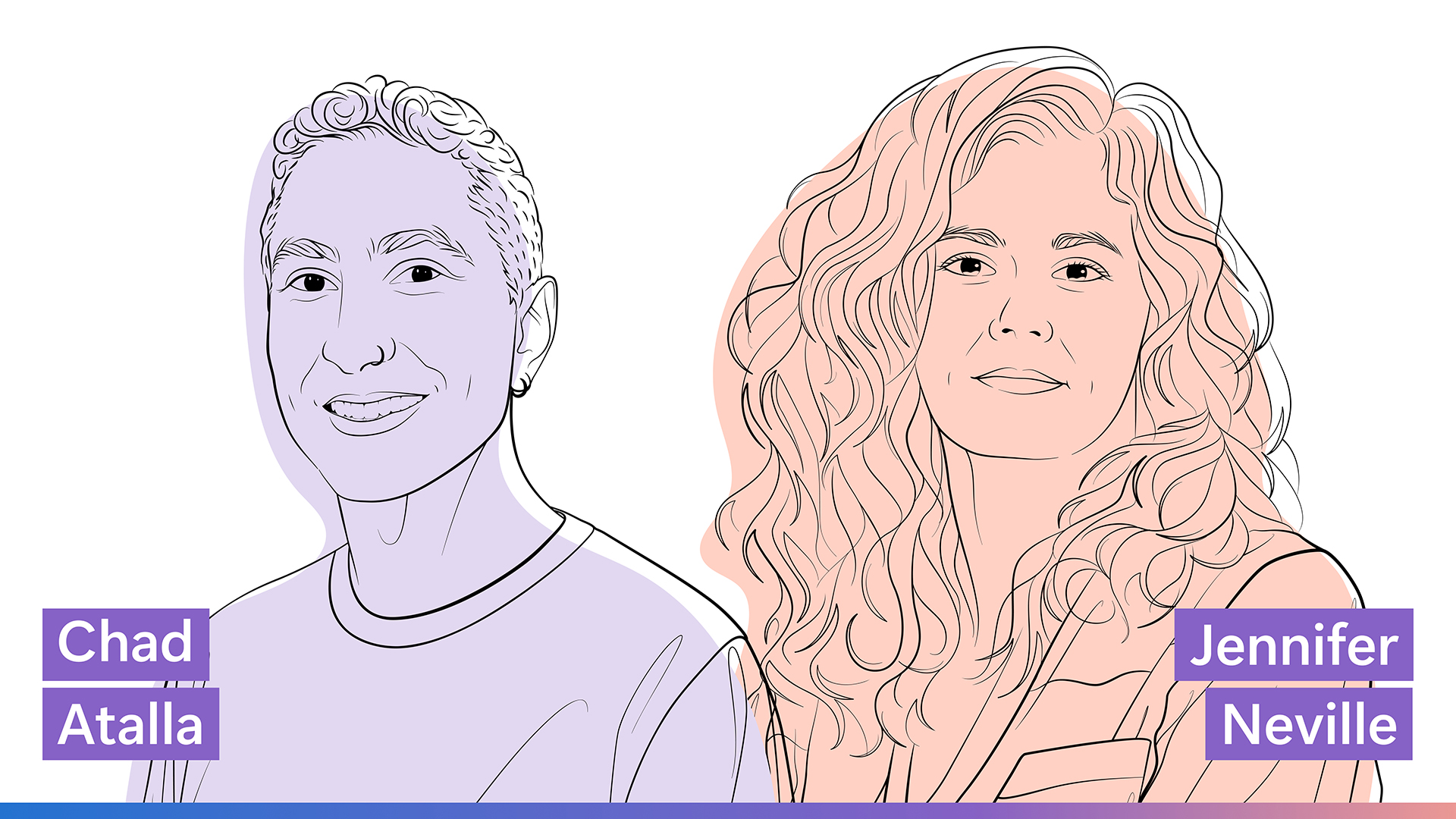
Jennifer Neville did not want to go into computer science—but that’s exactly where she landed. Neville discusses the starts and stops that led to her professional sweet spot and her work identifying “surprising failures” making it hard for AI to handle complexity. The post What AI gets wrong and what failure teaches us appeared first on Microsoft Research.
Microsoft Research Blog· microsoft.comJul 30, 2026
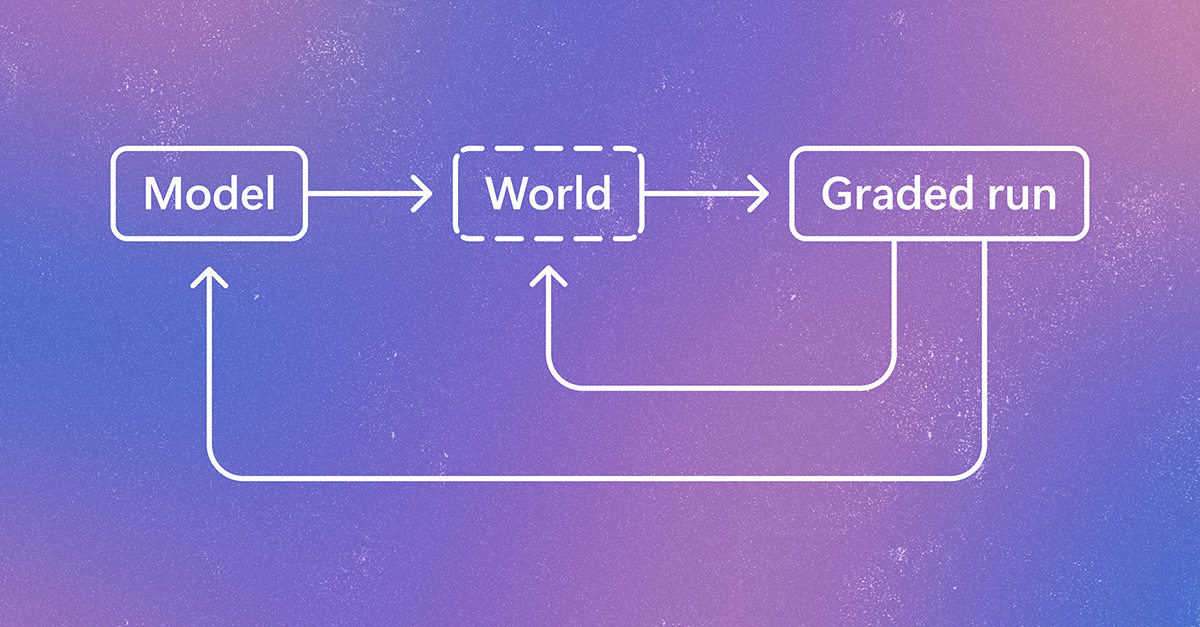
Computer-use AI agents struggle with multi-step workflows like email and customer support. Echoverse trains agents in realistic environments rather than simply providing more training tasks, helping them improve as the tasks, tests, and environments evolve. The post Echoverse: Deep, evolving environments for computer-use agents appeared first on Microsoft Research.
Zero-knowledge proofs can verify computing results without rerunning workloads or exposing sensitive data. Magnetar helps bring them into the mainstream with support for standard programming languages, major speed gains, and quantum-resistant security. The post Proof-based general-purpose computing with Magnetar appeared first on Microsoft Research.
We use cookies to run the site and, with your consent, for analytics and to show ads.
See our Cookie Policy.