Skip to content
#protein folding Open access

Immunoinformatics-based design and in silico evaluation of a PstS-derived multi-epitope vaccine candidate against Salmonella typhimurium

Aug 2026 · Scientific Reports · 0 citations

TL;DR

The proposed multi-epitope vaccine shows promising immunological and structural properties, supporting its potential against S. typhimurium, pending experimental validation.

Abstract

Salmonella typhimurium is a major foodborne pathogen with increasing multidrug resistance and limited vaccine options. This study aimed to design a multi-epitope vaccine targeting the PstS protein using an immunoinformatics approach. B-cell and T-cell epitopes were predicted, screened, and assembled into a chimeric construct with an adjuvant and linkers. The vaccine was evaluated for physicochemical properties, structural stability, and population coverage. Molecular docking with TLR4 and 100 ns molecular dynamics simulations were performed, followed by in silico immune simulation and codon optimization. The designed construct showed high antigenicity, stability, and hydrophilicity with broad population coverage (> 97%). Structural validation confirmed a stable fold. Docking demonstrated strong binding to TLR4, which remained stable during molecular dynamics simulations. Immune simulation predicted robust antibody and T-cell responses with a dominant Th1-type profile. The proposed multi-epitope vaccine shows promising immunological and structural properties, supporting its potential against S. typhimurium , pending experimental validation.

Read PDF

Similar papers

Open access Jul 2026

Integrative immunoinformatics and structural modeling for the rational design of a multi-epitope vaccine candidate against human cytomegalovirus

Human cytomegalovirus (CMV) is a globally widespread pathogen associated with significant morbidity in immunocompromised individuals. Despite its clinical importance, no licensed vaccine is currently available. This study aimed to design a rational multi-epitope vaccine candidate targeting CMV using an integrative approach combining immunoinformatics and structural biology. Viral proteins were screened to identify epitopes with high affinity for B cells, cytotoxic T cells (CTLs), and helper T cells (HTLs) using the Immune Epitope Database (IEDB). Selected epitopes were filtered according to their antigenicity and toxicity and then assembled into a chimeric construct incorporating an immunostimulatory adjuvant. The designed vaccine was evaluated for its physicochemical properties, validated by Ramchandran and ERRAT analyses. Molecular modeling demonstrated strong and stable interactions with key innate immunity receptors, including TLR7 and TLR9, interactions confirmed by molecular dynamics simulations. In silico immune simulation predicted a robust and durable immune response, characterized by high levels of IgM and IgG, as well as significant activation of CD4 + and CD8 + lymphocytes and innate immunity components. These results highlight the potential of the proposed multi-epitope construct as a promising vaccine candidate against HCMV. However, experimental validation is essential to confirm its immunogenicity, safety, and translational applicability.

O. P. Emmanuel, M. N. Y. Sandrine, Bilanda Danielle Claude et al. · 0 citations
Open access Jul 2026

Immunoinformatics-Based Multi-Epitope Vaccine Design Against Influenza A (H1N1) Hemagglutinin

Background: Influenza A (H1N1) remains a significant global health threat due to its high mutation rate and antigenic variability, which limit the long-term efficacy of conventional strain-specific vaccines. This study employed an immunoinformatics approach to design a broadly protective multi-epitope vaccine targeting the hemagglutinin (HA) protein. Methods: The HA protein sequence was analyzed for physicochemical properties, antigenicity, and epitope prediction. Promising B-cell and T-cell epitopes were selected and assembled into a multi-epitope vaccine construct. Structural modeling, molecular docking with Toll-like receptor 3 (TLR3), molecular dynamics simulation, population coverage analysis, codon optimization, and in silico cloning were performed to evaluate the vaccine candidate. Results: The HA protein exhibited favorable physicochemical characteristics and strong antigenicity. The final vaccine construct was predicted to be highly antigenic, non-allergenic, and non-toxic, with a global population coverage of 81.68%. Structural validation confirmed model quality, while docking and molecular dynamics analyses demonstrated stable interactions with TLR3, indicating its potential to induce robust immune responses. Codon optimization and in silico cloning suggested efficient expression in the host system. Conclusion: The designed HA-based multi-epitope vaccine demonstrated promising immunogenicity, safety, structural stability, and broad population coverage in silico. These findings support its potential as a vaccine candidate against Influenza A (H1N1), warranting further experimental validation through in vitro and in vivo studies.

Roshni Khan, Salman Khan · 0 citations
Open access Aug 2026

Structure-Guided Immunoinformatics for the Rational Design of a Multi-Epitope Vaccine Against Batai Orthobunyavirus

Background/Objectives: Batai orthobunyavirus (BATV) is an emerging mosquito-borne zoonotic pathogen for which no licensed vaccine is currently available. The viral envelope glycoprotein plays an important role in viral attachment and host immune recognition, making it a potential target for rational vaccine design. Methods: In this study, an immunoinformatics-based framework was used to design and evaluate a multi-epitope vaccine candidate targeting the BATV envelope glycoprotein. Selected B-cell, cytotoxic T-lymphocyte (CTL), and helper T-lymphocyte (HTL) epitopes were assembled using appropriate linkers and a human β-defensin adjuvant. Population coverage and in silico immune simulations were conducted to evaluate the potential breadth and magnitude of immune response. Results: The final vaccine construct demonstrated favorable physicochemical characteristics, high predicted antigenicity (0.7959), and non-allergenic properties while maintaining favorable predicted structural characteristics and broad predicted population coverage (99.92%). Structural docking revealed a stable interaction between the vaccine construct and human TLR4, with a weighted docking score of −1194.8, suggesting favorable molecular recognition and receptor engagement. Normal Mode Analysis further supported the structural stability and conformational integrity of the vaccine receptor complex. Immune simulation predicted robust primary and secondary immune responses characterized by elevated IgM and IgG antibody production, sustained memory cell formation, and strong IFN-γ and IL-2 responses, indicating the potential to elicit balanced humoral and cellular immunity. Conclusions: This study presents a structurally optimized and validated multiepitope vaccine candidate against the emerging Batai orthobunyavirus. These computational findings identified a promising vaccine candidate for further investigation; however, its immunogenicity, safety, and protective efficacy before further vaccine development can be considered.

M. A. Alwaili, N. Al‐Hoshani, Huda A Alqahtani et al. · 0 citations
Open access Aug 2026

Harnessing reverse vaccinology for the design and validation of mRNA vaccine targeting the glycoprotein of human metapneumovirus (HMPV)

Human metapneumovirus (HMPV) is a major cause of respiratory illness among vulnerable populations worldwide, yet no licensed vaccine or specific antiviral therapy is currently available. This study aimed to design novel multi-epitope mRNA vaccine candidates against HMPV using an immunoinformatics-based approach. Globally representative HMPV glycoprotein sequences were analyzed to predict cytotoxic T-lymphocyte (CTL), helper T-lymphocyte (HTL), and linear B-cell (LBL) epitopes. Selected epitopes were assembled into two multi-epitope mRNA vaccine constructs. The constructs were further evaluated for antigenicity, allergenicity, toxicity, and physicochemical properties using in silico tools. Structural stability and immune receptor interactions were assessed through molecular modeling and molecular docking analyses against Toll-like receptors 2 and 4 (TLR2 and TLR4). Both vaccine constructs demonstrated high antigenicity, while remaining non-toxic and non-allergenic, with favorable physicochemical characteristics. Structural analyses indicated stable conformations of the vaccine models. Molecular docking studies revealed strong binding affinities with TLR2 and TLR4, suggesting their ability to effectively stimulate innate and adaptive immune responses. The two proposed multi-epitope mRNA vaccine constructs showed promising immunogenic, safety, and structural properties in silico, highlighting their potential as candidate vaccines against HMPV. These findings provide a strong foundation for further experimental validation and future vaccine development.

E. K. Oladipo, James Akinwumi Ogunniran, Oluwaseyi Samuel Akinpelu et al. · 0 citations
Open access Aug 2026

Immunoinformatics-guided in silico design of a multi-epitope peptide vaccine against Mycobacterium tuberculosis

Tuberculosis (TB), caused by Mycobacterium tuberculosis (Mtb) , remains a leading global health challenge, exacerbated by the limitations of the current Bacillus Calmette–Guérin (BCG) vaccine and the emergence of multidrug-resistant strains. Thus, there is a critical need for novel and safe vaccines capable of providing robust immune protection. This study aimed to design a multi-epitope peptide vaccine against Mtb using advanced immunoinformatics approaches. Conserved, antigenic, non-allergenic, and non-toxic Mtb proteins (Rv1196, Rv0978c, Rv2031c, Rv1886c and Rv3875) were selected and used to develop multi-epitope peptide vaccine construct. A comprehensive analysis was employed, including protein sequence retrieval, antigenicity and allergenicity prediction, epitope mapping, vaccine construct design with linkers and adjuvants, physiochemical profiling, structure prediction and validation, molecular docking and simulation, population coverage and immune simulation. After a comprehensive screening, five linear B-cell epitopes, four HTL epitopes, and nine CTL epitopes were selected to design a novel multi-epitope peptide vaccine for Mtb . The final multi-epitope peptide vaccine construct was 429 amino acids long, with a molecular weight of 43.947 kDa. The construct showed an instability index of 23.25, indicating overall stability, and an aliphatic index of 81.54, reflecting high thermostability. Its GRAVY score (0.021) suggested a predominantly hydrophilic nature, while the predicted scaled solubility score (0.451) indicated moderate solubility. According to PRISPRED prediction, the overall vaccine sequence was estimated to have 46.15% α-helix, 7.23% β-strand, and 46.62% coil. RaptorX-Property prediction also revealed 44% of amino-acid residues were expected to be exposed, 24% medium exposed, and 31% buried. The predicted 3D models of the vaccine construct were exhibited an estimated TM-score of 0.59 ± 0.14 and an expected RMSD of 9.2 ± 4.6 Å, indicating a reasonably accurate predicted fold. The vaccine construct docked with both TLR4 and TLR2, showing a stronger predicted binding affinity for TLR4 (–1175.2 kcal/mol) than for TLR2 (–1022.8 kcal/mol), and molecular dynamics simulations further confirmed stable and strong interactions with both receptors. The in-silico cloning, done to validate the vaccine’s efficacy. Finally, Immune simulation was applied to the vaccine to forecast its immunogenic profile. A computationally validated multi-epitope vaccine construct with strong immunogenicity were generated. However, validation through the in-vitro and in-vivo study of the developed vaccine is essential to assess its efficacy and immunogenicity profile, which will assure active protection against Mtb .

Abebe Tesfaye Gessese, M. Kinde, Tegegne Eshetu et al. · 0 citations

Related blog posts

MIT News · Artificial Intelligence Aug 27, 2026

Looking beyond natural sequences

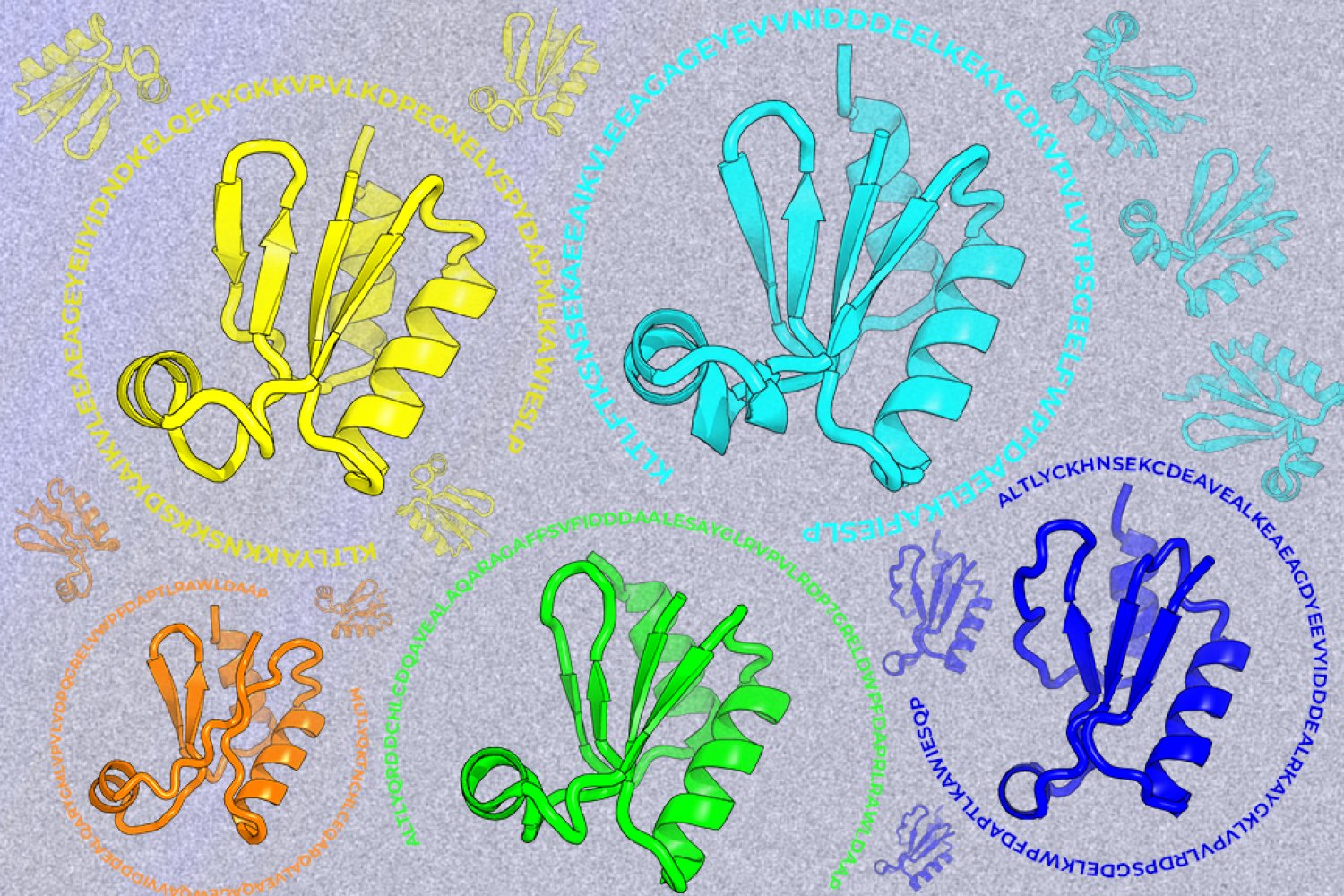
A new machine-learning framework aims to improve the success rate of computational protein design while moving away from results that reproduce sequences found in nature.

Google DeepMind Blog Nov 25, 2025

AlphaFold: Five years of impact

Explore how AlphaFold has accelerated science and fueled a global wave of biological discovery.