Dec 2026· Virulence· Vol 17 1, pp.
2728433
· 0 citations
Medicine
TL;DR
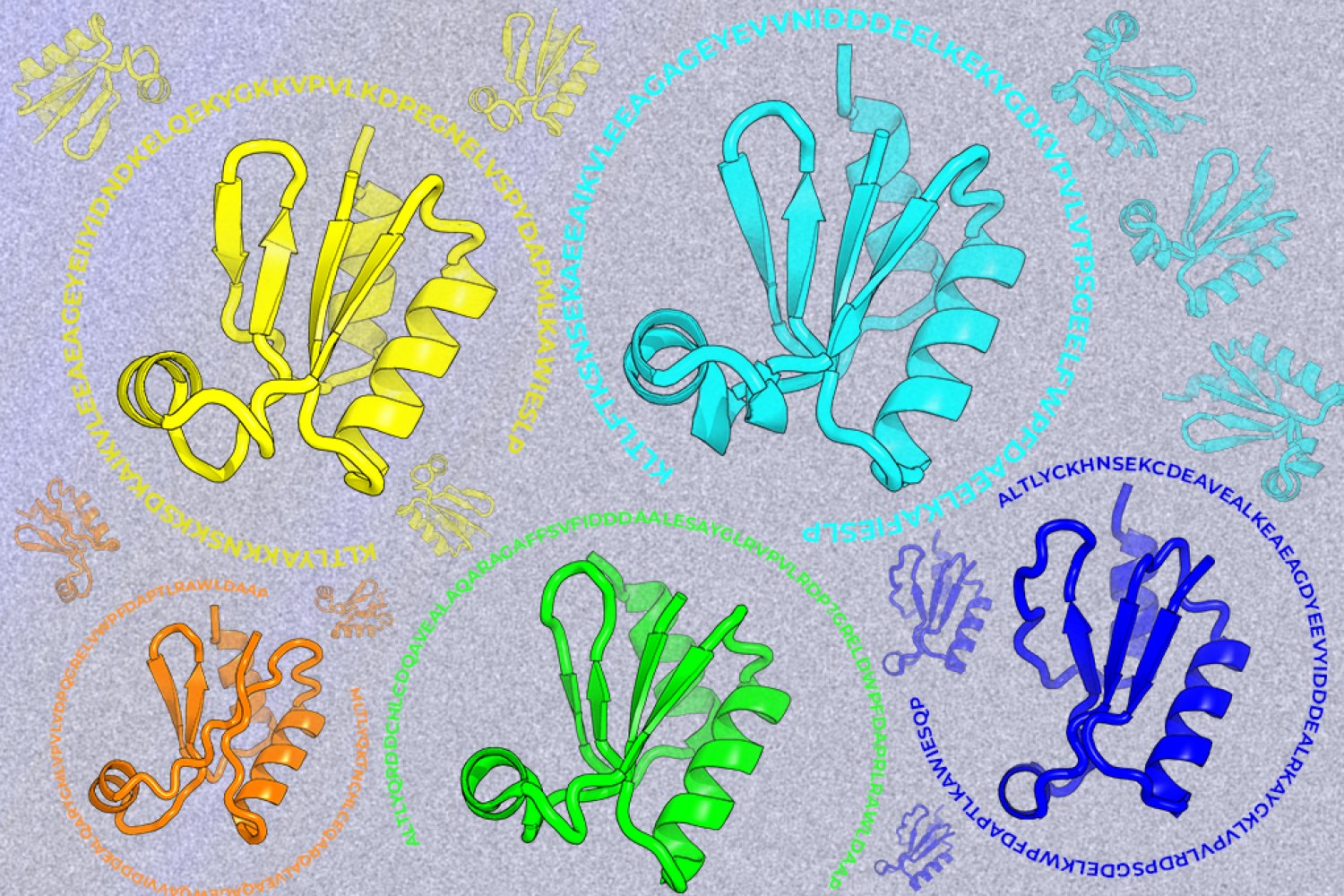
Evidence supports a model in which RxLR evolution emerges from coordinated changes among architectural components and their genomic contexts, providing a framework for understanding how virulence proteins diversify while retaining the structural features required for function.

Abstract
Phytophthora RxLR (arginine-any amino acid-leucine-arginine) effectors combine structural conservation with sequence and functional diversification, enabling intracellular virulence despite diversifying host defenses. This Review integrates comparative genomic, structural and functional evidence to examine how protein architecture, motif dynamics and genomic context shape the evolution of conserved RxLR effectors. Folded domains, repeat assemblies, intrinsically disordered regions and short linear motifs experience distinct evolutionary constraints, enabling structural stability and interaction diversity to coexist within individual effectors. Internal repeats and motif turnover further expand interaction potential, while genomic context contributes to effector diversification and retention across repertoires. We distinguish mechanisms established experimentally from those inferred through comparative or structural analyses. Collectively, the evidence supports a model in which RxLR evolution emerges from coordinated changes among architectural components and their genomic contexts, providing a framework for understanding how virulence proteins diversify while retaining the structural features required for function.

The comparison of adopter and non-adopter sample reveals three potential adoption inhibitor, security, data privacy, and portability, which underlines the importance of the technical and security perspectives for research investigating the adoption of technology.
Nattakarn Phaphoom, Xiaofeng Wang, S. Samuel et al.· Journal of Systems and Softw...· 111 citations· ⚡8
This study investigates how Lean internal startup facilitates software product innovation in large companies and identifies its enablers and inhibitors, and shows the potential of the method-in-action framework to investigate the Lean startup approach in non-startup context.
Henry Edison, Nina M. Smørsgård, Xiaofeng Wang et al.· Journal of Systems and Softw...· 78 citations· ⚡6
This paper highlights the challenges to conduct proper affect-related studies with psychology, provides a comprehensive literature review in affect theory, and proposes guidelines for conducting psychoempirical software engineering.
D. Graziotin, Xiaofeng Wang, P. Abrahamsson· SSE@SIGSOFT FSE· 56 citations· ⚡4
This study conducts a multiple case study on twenty European software startups and proposes a prototype-centric learning model in early stage software startups, and identifies factors that occur as barriers but also facilitators for prototyping in earlystage software startups.
Anh Nguyen-Duc, Xiaofeng Wang, P. Abrahamsson· International Conference on...· 44 citations· ⚡5
It is demonstrated that linker-free PROTACs can outperform traditional designs, marking a paradigm shift in PROTAC development for targeted protein degradation.
Pinal, a 16-billion-parameter foundation model that produces protein candidates from natural-language functional descriptions, supports natural language as a high-level interface for candidate generation in protein design, enabling programmable exploration with reduced reliance on manually specified structural or seque...
A new machine-learning framework aims to improve the success rate of computational protein design while moving away from results that reproduce sequences found in nature.