Skip to content
#protein folding Open access

P1.069. Distinct Postoperative CRP Trajectory Patterns and Their Association With Complication Severity Following Esophagectomy

Aug 2026 · Diseases of the esophagus · 0 citations

TL;DR

Postoperative CRP trajectory patterns are significantly associated with complication severity after esophagectomy, and the High-Persistent trajectory identifies a high-risk subgroup, and the D3/D1 ratio enables early risk stratification by POD 3.

Abstract

Esophageal Cancer: Surgical Treatment of Esophageal Cancer – early outcomes and complications Postoperative complications following esophagectomy are frequent and clinically heterogeneous. Serum C-reactive protein (CRP) is a widely available inflammatory marker, yet its longitudinal trajectory after esophagectomy and its relationship with complication severity have not been systematically characterized. This study aimed to identify distinct postoperative CRP trajectory patterns and evaluate their association with Clavien-Dindo graded complication outcomes. Among 809 consecutive esophagectomy patients at a single center, 131 patients (16.2%) had complete serial CRP measurements on postoperative days (POD) 1, 3, 5, and 7. K-means clustering was applied to identify distinct CRP trajectory groups. Associations between trajectory groups and complications (Clavien-Dindo grading), anastomotic leak, and ICU length of stay were evaluated using chi-square tests, Kruskal-Wallis tests, and multivariable logistic regression. Receiver operating characteristic (ROC) analysis assessed the predictive utility of individual CRP timepoints and derived indicators. Three distinct CRP trajectories were identified: Low-Stable (n=86, 65.6%), Moderate-Declining (n=20, 15.3%), and High-Persistent (n=25, 19.1%). Complication rates increased significantly across trajectories: severe complications (CD≥III) occurred in 15.1%, 25.0%, and 56.0% of patients in each group, respectively (p<0.001). The High-Persistent group showed a 5.71-fold increased odds of severe complications on multivariable analysis (OR 5.71, 95%CI 1.99–16.40, p=0.001). CRP on day 7 demonstrated the highest individual discriminative value (AUC=0.671), while the CRP D3/D1 ratio (AUC=0.632) offered the earliest actionable prediction at POD 3. Postoperative CRP trajectory patterns are significantly associated with complication severity after esophagectomy. The High-Persistent trajectory identifies a high-risk subgroup, and the D3/D1 ratio enables early risk stratification by POD 3. Prospective studies with larger cohorts are warranted to validate these findings.

Read PDF

Similar papers

Open access Jul 2026

Dynamic changes in the aggregate index of systemic inflammation (ΔAISI) predict postoperative complications following ileostomy closure in rectal cancer patients.

BACKGROUND Ileostomy closure following rectal cancer surgery is generally considered a low-risk procedure; however, postoperative complications remain clinically relevant. Reliable and easily accessible biomarkers for predicting these complications are lacking. This study aimed to evaluate the predictive value of dynamic changes in the aggregate index of systemic inflammation (ΔAISI) for postoperative complications following ileostomy closure. METHODS This retrospective cohort study included 137 patients who underwent curative rectal cancer surgery with diverting ileostomy followed by ileostomy closure between January 2015 and March 2026. Inflammatory and nutritional markers were recorded prior to primary surgery and before ileostomy closure. ΔAISI was calculated as the difference between these two time points. Comparisons were performed using the Mann-Whitney U test and chi-square test. Receiver operating characteristic (ROC) curve analysis and multivariate logistic regression were conducted to evaluate predictive performance. RESULTS Postoperative complications occurred in 23 patients (16.8%). No significant differences were observed in inflammatory markers measured before primary surgery. In contrast, several inflammatory markers measured prior to ileostomy closure were significantly associated with postoperative complications. Among the evaluated indices, ΔAISI demonstrated good discriminative ability (AUC: 0.755, 95% CI: 0.628-0.882, p < 0.001). In multivariate analysis, high ΔAISI remained an independent predictor of postoperative complications (OR: 4.13, 95% CI: 1.41-12.03, p = 0.009). CONCLUSION ΔAISI is a promising and independent predictor of postoperative complications following ileostomy closure in rectal cancer patients. Both pre-closure AISI and ΔAISI demonstrated good predictive performance, whereas AISI measured before primary surgery showed poor discrimination. These findings suggest that inflammatory status immediately before ileostomy closure may serve as a clinically useful biomarker for perioperative risk stratification.

Mesut Yavaş, Selim Keçeoğlu, R. Kozan et al. · 0 citations
Open access Jul 2026

Preoperative and early postoperative albumin thresholds, rather than ΔAlb, predict severe complications after colorectal cancer surgery: a multifactorial model and nomogram

Background Postoperative complications of colorectal cancer significantly impact prognosis and healthcare burdens. While the dynamic change from preoperative to the lowest albumin level on postoperative day 2 (ΔAlb) has been linked to complications, their predictive value remains controversial. This study aims to explore the relationship between ΔAlb and postoperative complications, and evaluates a multifactorial predictive model for severe complications. Methods This retrospective study analyzed 932 patients undergoing colorectal cancer resection (August 2020–April 2022). Data included preoperative/postoperative albumin levels, demographics, surgical/anesthetic details, and 30-day complications. ΔAlb’s association with severe complications was assessed via logistic regression, and a nomogram was developed. Results Severe complications (Clavien–Dindo III–V) occurred in 14.2% of patients. ΔAlb showed no significant association with severe complications in univariate (P = 0.185) or multivariate analysis and discriminated poorly on ROC analysis (AUC 0.536, 95% CI 0.479–0.593). In the final multivariable model using clinically dichotomised predictors, preoperative albumin <35 g/L (OR 2.05, 95% CI 1.29–3.25, P = 0.003) and POD2 nadir albumin <28.5 g/L (OR 1.55, 95% CI 1.01–2.38, P = 0.044) were independent risk factors. Other independent predictors were age >65 years (OR 2.14, P = 0.003), ASA ≥3 (OR 2.14, P = 0.001), preoperative NRS2002 ≥2 (OR 1.97, P = 0.028) and rocuronium dose ≥117.5 mg (OR 4.44, P<0.001). A nomogram integrating these factors showed good discrimination (apparent C-index 0.794; optimism-corrected 0.784 by 1000-sample bootstrapping), good calibration (Hosmer–Lemeshow P = 0.72) and net clinical benefit on decision-curve analysis. Conclusion ΔAlb alone has limited predictive value, whereas absolute preoperative albumin <35 g/L and POD2 nadir albumin <28.5 g/L are independent predictors of severe complications. A multifactorial model integrating these absolute albumin thresholds with age, ASA score, preoperative NRS2002 and rocuronium dose improves prediction (optimism-corrected C-index 0.78) compared with individual factors (AUC <0.7). Because rocuronium dose may also reflect surgical complexity and perioperative management, these associations require prospective, multicentre validation.

Lu Wang, Rui-Rui Lyu, Yue Ding et al. · 0 citations
#protein folding Aug 2026

OA01.4. Multimodal Early Warning System for Postoperative Complications After Esophagectomy: Integrating Patient-Reported Outcomes, Laboratory Trajectories, and Clinical Text Mining

A multimodal early warning system integrating PROs, laboratory trajectories, and large language model-extracted clinical text features to enable real-time, automated complication surveillance substantially outperforms single-modality approaches for detecting postoperative complications after esophagectomy.

Si-miao Lu, Yi Zhu, Yong-tao Han et al. · 0 citations
Open access Aug 2026

P1.064. Limitations of Preoperative Prediction Models for Complications After Esophagectomy: A Multi-Center Analysis

Esophageal Cancer: Surgical Treatment of Esophageal Cancer Preoperative risk stratification for esophagectomy complications relies on clinical prediction models; however, their discriminative performance in multi-institutional settings remains poorly defined. We hypothesized that standard preoperative variables would demonstrate limited predictive validity across heterogeneous surgical cohorts. We analyzed 2,490 patients undergoing esophagectomy across four institutions in Asia (total n=2,490; individual center n range 75–1,012). Four outcomes were studied: recurrent laryngeal nerve palsy (RLNP), anastomotic leak (AL), pulmonary complications (PC), and vocal cord palsy (VCP). Logistic regression models with bootstrap-validated odds ratios (1,000 iterations) were evaluated by 5-fold cross-validated AUC. SHAP (SHapley Additive exPlanations) via Gradient Boosting Machines quantified variable importance. Decision curve analysis (DCA) assessed net clinical benefit across threshold probabilities 2–70%. Association between tumor location and each complication was assessed using chi-squared tests. All prediction models demonstrated poor-to-fair discrimination: RLNP AUC 0.533, AL AUC 0.586, PC AUC 0.676, and VCP AUC 0.556. Tumor location was the only statistically significant categorical predictor of RLNP—upper/cervical location was associated with higher RLNP incidence compared to middle thoracic tumors (39.1% vs. 28.0%; OR 1.22, 95%CI 1.05–1.42; p=0.009). No significant association was observed between tumor location and AL, PC, or VCP. DCA demonstrated negligible clinical net benefit for RLNP and AL models; only the PC model provided modest benefit (max net benefit gain +0.057) at threshold probabilities of 5–20%. SHAP analysis identified FEV1%, PNI score, and BMI as the highest-importance variables for RLNP prediction, with tumor location ranking sixth—indicating that location contributes a statistically real but clinically modest signal. Standard preoperative variables are insufficient for individualized risk stratification of RLNP, anastomotic leak, or vocal cord palsy after esophagectomy. Statistical significance (p=0.009 for location–RLNP association) does not translate to clinically meaningful predictive power (AUC 0.533). Tumor location should be incorporated into RLNP preoperative counseling. Improved prediction will require prospective integration of real-time intraoperative data. Pulmonary complication risk approaches clinically actionable prediction (AUC 0.676) and may guide respiratory prehabilitation targeting.

Si-miao Lu, Yi Zhu, Yong-tao Han et al. · 0 citations
Open access Aug 2026

P1.233. Impact of Preoperative Frailty on Long-Term Survival Following Esophagectomy for Esophageal Cancer

Esophageal Cancer: Surgical Treatment of Esophageal Cancer – long term outcomes Esophagectomy can provide cure for esophageal cancer yet is associated with high rates of perioperative morbidity. Assessing frailty in the preoperative setting provides superior insight into patients’ physiological reserve and their ability to survive adverse postoperative events. This study evaluates the long-term impact of frailty on survival outcomes. A single institution retrospective analysis (2000-2014) was conducted on 398 patients who underwent esophagectomy for esophageal cancer. Clinical characteristics analyzed included BMI, comorbidities, performance status, and preoperative chemoradiation. Frailty was measured using the modified Frailty Index (mFI-5) score and was defined as mFI-5 ≥2. Cox regression models were used to evaluate relevant covariates including frailty status, age, surgical approach, comorbidities, induction therapy, pathologic stage, and histology on long-term survival outcomes. The cohort had mean age 62.8 ± 11.7, was predominantly male (81.2%) and overweight/obese (66%). 61% received preoperative chemotherapy and 54% also had radiotherapy. mFI-5 scores were 0 (28%), 1 (41%), 2 (25%), 3-4 (6.4%). Cardiovascular and pulmonary complication rates were 31% and 22%. Mortality was 4.9%. On univariate analysis, mFI-5 frailty score, age, CAD, pTNM stage, induction therapy, and squamous histology were significantly associated with worse survival. When categorizing mFI-5 as a binary variable (0-1 vs 2+) and age in 5-year increments, on multivariate analysis frailty, age, induction therapy, worse pathological stage, and squamous histology were significantly associated with worse survival (Table). The hazard ratios were similar among the covariates. Long-term survival was significantly lower in the frail cohort compared to the non-frail cohort, with median overall survival 1.97 vs 4.96 years (Figure, p<0.001). Postoperative survival after esophagectomy is significantly associated with patient preoperative frailty. These findings suggest that preoperative frailty assessment to target prehabilitation strategies, inform risk assessment, and support shared decision making are critical for improving long-term survival in esophageal cancer patients.

Lye-Yeng Wong, Ernest Chan, Tyler Wilson et al. · 0 citations
Review Aug 2026

P1.070. Exploring the Association Between Month of Esophagectomy and Long-Term Survival Outcomes : a Large-Scale Survival Study Combined Questionnaire Survey Analysis

Esophageal Cancer: Surgical Treatment of Esophageal Cancer – long term outcomes Esophageal cancer remains a significant global health burden. While surgical and oncologic factors influencing survival after esophagectomy are well studied, the potential impact of surgical timing and medical staff burnout on long-term outcomes remains underexplored. This study investigates whether the month of esophagectomy and esophageal surgery personnel burnout affect survival in esophageal squamous cell carcinoma (ESCC). A retrospective cohort of ESCC patients who underwent esophagectomy between January 2010 and December 2017 was analyzed from a single-center esophageal cancer case management database. Patients were stratified into twelve monthly subgroups based on the month of surgery. Survival outcomes were assessed using Kaplan–Meier analysis, Cox proportional hazards regression, and restricted mean survival time (RMST). Propensity score matching (PSM) was employed to adjust for confounding variables including age, sex, tumor stage, and neoadjuvant therapy. Additionally, a cross-sectional survey was conducted from 2024 to 2025 to evaluate burnout levels among 409 esophageal surgery professionals using the Maslach Burnout Inventory–Human Services Survey (MBI-HSS), with monthly stratification to examine the temporal relationship between staff burnout patterns and surgical outcomes. Among 2,758 ESCC patients who underwent esophagectomy, those operated in February had the poorest survival, with a median survival time (MST) of 34.17 months compared to 45.23 months for non-February surgeries (HR: 0.833, 95% CI: 0.677–1.025, P=0.084). The 3- and 5-year overall survival rates were lower for February (47% and 36%) versus other months (56% and 45%). Conversely, April and June surgeries yielded superior outcomes (MST: 61.44 and 63.60 months, respectively). Burnout survey data (n=409) revealed a striking inverse pattern: February showed mild burnout (EE: 16.69, DP: 5.63), coinciding with the Chinese New Year holiday period, whereas non-February months demonstrated severe burnout (EE: 30.95, DP: 13.51). This paradoxical finding suggests that lower burnout alone does not predict better outcomes; rather, February’s reduced surgical volume and case complexity may be contributory factors. Surgical timing, particularly esophagectomy performed in February, is associated with inferior long-term survival in ESCC patients. The concurrent low burnout levels during this period suggest that reduced surgical volume and altered case selection during the holiday season, rather than staff fatigue, may underlie this disparity. These findings highlight the importance of considering temporal factors in esophagectomy scheduling and warrant further multicenter validation.

Si-miao Lu, Yi Zhu, Yong-tao Han et al. · 0 citations

Related blog posts

MIT News · Artificial Intelligence Aug 27, 2026

Looking beyond natural sequences

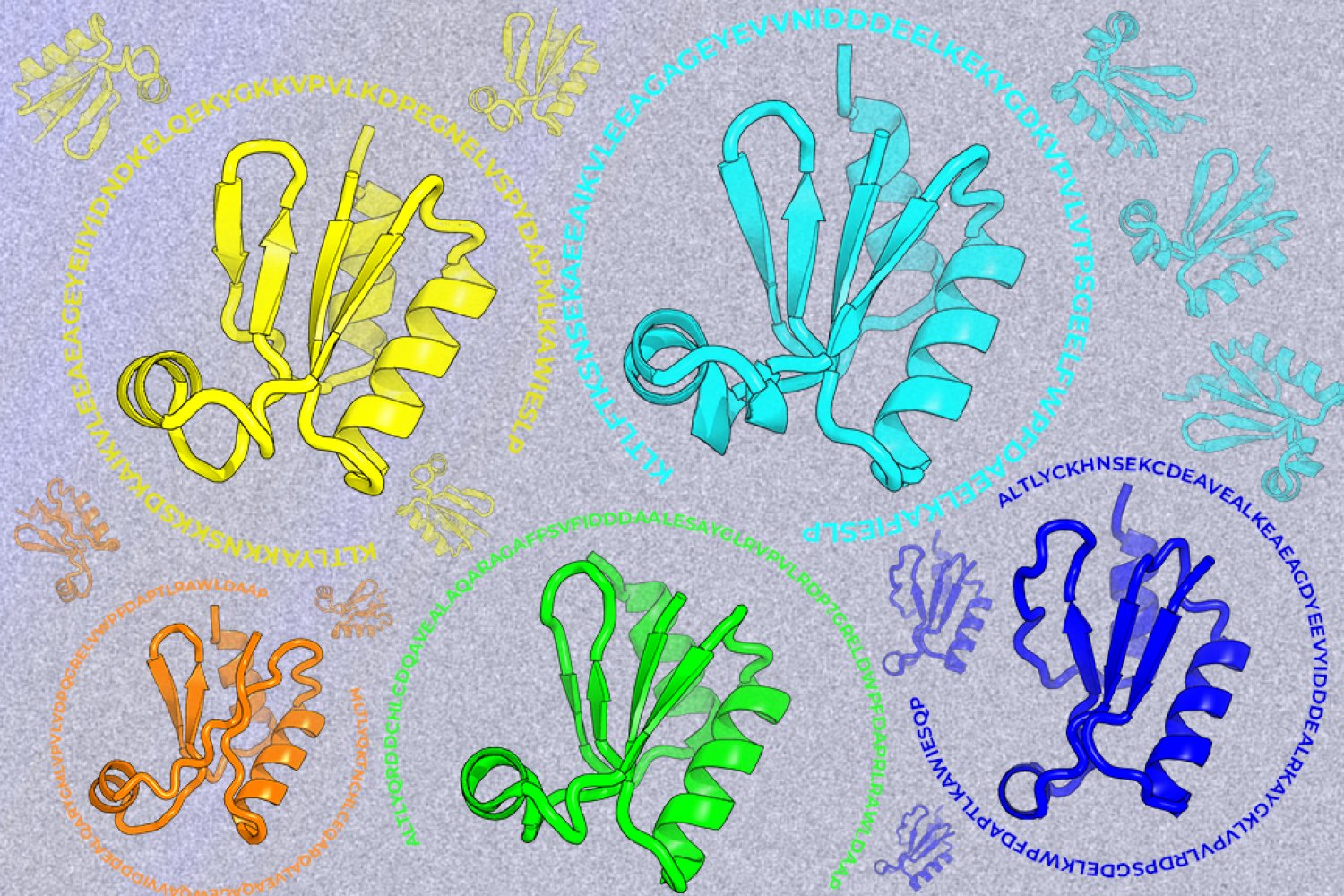
A new machine-learning framework aims to improve the success rate of computational protein design while moving away from results that reproduce sequences found in nature.

Google DeepMind Blog Nov 25, 2025

AlphaFold: Five years of impact

Explore how AlphaFold has accelerated science and fueled a global wave of biological discovery.