Aug 2026· Experimental Gerontology· pp.
113290
· 0 citations
Medicine
TL;DR
Peripheral blood mtDNA-CN is independently associated with cardiac diastolic function in hospitalized older adults, with a more pronounced association in frail individuals.
Abstract
Background
Frailty is a common geriatric syndrome associated with impaired mitochondrial biology and increased cardiovascular vulnerability in older adults. Mitochondrial DNA copy number (mtDNA-CN) is an indirect proxy of mitochondrial genome abundance, and has been linked to cardiovascular disease risk; its relationship with cardiac diastolic function in frail older patients remains unclear. This study examined the association between peripheral blood mtDNA-CN and echocardiographic diastolic function indices, and whether frailty status modifies this relationship.
Methods
We recruited 576 hospitalized older adults (aged ≥60 years) at Jiangsu Province Hospital between October 2020 and August 2022; 187 participants met all criteria. Frailty was assessed with the Physical Frailty Phenotype (PFP) scale (non-frail n = 52, pre-frail n = 77, frail n = 58). Diastolic function was evaluated by the E/A ratio, E/e', septal e' and lateral e' velocities, with left ventricular mass index (LVMI) additionally reported. mtDNA-CN was quantified by quantitative real-time PCR (qPCR). Multivariable models were adjusted for age, sex, BMI, systolic blood pressure, heart rate, HbA1c, eGFR, coronary artery disease, neutrophil percentage and platelet count; a progressive-adjustment sensitivity analysis of 11 nested models further added C-reactive protein (CRP), the complete leukocyte differential, hemoglobin, the Geriatric Nutritional Risk Index (GNRI) and physical activity level. Diagnostic models were internally validated by bootstrap optimism correction (1000 resamples) and repeated stratified 10-fold cross-validation.
Results
mtDNA-CN decreased significantly with increasing frailty severity (P < 0.001) and was positively correlated with the E/A ratio (r = 0.494, P < 0.001), lateral e' (r = 0.479, P < 0.001) and septal e' (r = 0.291, P < 0.01), but not with E/e' (r = -0.100, P = 0.172), LVMI (r = 0.037, P = 0.611), or any structural or systolic index. In the fully adjusted models, log(mtDNA-CN) remained independently associated with the E/A ratio (β = 0.50, 95% CI 0.37-0.63), lateral e' (β = 0.44, 95% CI 0.32-0.57) and septal e' (β = 0.21, 95% CI 0.05-0.37), and the estimate was stable across all 11 progressively adjusted models. Associations were consistent across sex, diabetes, hypertension, coronary artery disease and age >80 years. Frailty status significantly amplified the association between mtDNA-CN and diastolic function (all interaction P < 0.05). Optimism-corrected AUCs for mtDNA-CN alone were 0.79, 0.81 and 0.72 for E/A, lateral e' and septal e', exceeding an age-plus-grip-strength model (0.61, 0.68, 0.63); an integrated model reached 0.79, 0.83 and 0.73.
Conclusion
Peripheral blood mtDNA-CN is independently associated with cardiac diastolic function in hospitalized older adults, with a more pronounced association in frail individuals. mtDNA-CN mtDNA-CN may represent a potential non-invasive marker for the early detection of diastolic impairment and may facilitate cardiovascular risk stratification in frail older adults.

In the context of cloud computing, risks associated with underlying technologies, risks involving service models and outsourcing, and enterprise readiness have been recognized as potential barriers for the adoption. To accelerate cloud adoption, the concrete barriers negatively influencing the adoption decision need to be identified. Our study aims at understanding the impact of technical and security-related barriers on the organizational decision to adopt the cloud. We analyzed data collected through a web survey of 352 individuals working for enterprises consisting of decision makers as well as employees from other levels within an organization. The comparison of adopter and non-adopter sample reveals three potential adoption inhibitor, security, data privacy, and portability. The result from our logistic regression analysis confirms the criticality of the security concern, which results in an up to 26-fold increase in the non-adoption likelihood. Our study underlines the importance of the technical and security perspectives for research investigating the adoption of technology.
Nattakarn Phaphoom, Xiaofeng Wang, S. Samuel et al.· Journal of Systems and Softw...· 111 citations· ⚡8
To compete in this age of disruption, large companies cannot rely on cost efficiency, lead time reduction and quality improvement. They are now looking for ways to innovate like startups. Meanwhile, the awareness and use of the Lean startup approach have grown rapidly amongst the software startup community in recent years. This study investigates how Lean internal startup facilitates software product innovation in large companies and identifies its enablers and inhibitors. A multiple case study approach is followed in the investigation. Two software product innovation projects from two large companies are examined, using a conceptual framework that is based on the method-in-action framework and extended with the previously developed Lean-Internal Corporate Venture model. Seven face-to-face in-depth interviews of the employees with different roles are conducted. Within-case analysis and cross-case comparison are applied to draw the findings from the cases. A generic process flow summarises the common key processes of Lean internal startups. The findings suggest that an internal startup that is initiated management or employees faces different challenges. A list of enablers of applying Lean startup in large companies are identified, including top management support and cross-functional team. Both cases face different inhibitors due to the different process of inception, objective of the team and type of the product. Our contributions are threefold. First, this study is one of the first attempt to investigate the use of Lean startup approach in large companies empirically. Second, the study shows the potential of the method-in-action framework to investigate the Lean startup approach in non-startup context. The third is a general process of Lean internal startup and the evidence of the enablers and inhibitors of implementing it, which are both theory-informed and empirically grounded.
Henry Edison, Nina M. Smørsgård, Xiaofeng Wang et al.· Journal of Systems and Softw...· 78 citations· ⚡6
Affects--emotions and moods--have an impact on cognitive processing activities and the working performance of individuals. It has been established that software development tasks are undertaken through cognitive processing activities. Therefore, we have proposed to employ psychology theory and measurements in software engineering (SE) research. We have called it "psychoempirical software engineering". However, we found out that existing SE research has often fallen into misconceptions about the affect of developers, lacking in background theory and how to successfully employ psychological measurements in studies. The contribution of this paper is threefold. (1) It highlights the challenges to conduct proper affect-related studies with psychology; (2) it provides a comprehensive literature review in affect theory; and (3) it proposes guidelines for conducting psychoempirical software engineering.
D. Graziotin, Xiaofeng Wang, P. Abrahamsson· SSE@SIGSOFT FSE· 56 citations· ⚡4
It is essential for startups to quickly experiment business ideas by building tangible prototypes and collecting user feedback on them. As prototyping is an inevitable part of learning for early stage software startups, how fast startups can learn depends on how fast they can prototype. Despite of the importance, there is a lack of research about prototyping in software startups. In this study, we aimed at understanding what are factors influencing different types of prototyping activities. We conducted a multiple case study on twenty European software startups. The results are two folds; firstly we propose a prototype-centric learning model in early stage software startups. Secondly, we identify factors occur as barriers but also facilitators for prototyping in early stage software startups. The factors are grouped into (1) artifacts, (2) team competence, (3) collaboration, (4) customer and (5) process dimensions. To speed up a startup’s progress at the early stage, it is important to incorporate the learning objective into a well-defined collaborative approach of prototyping.
Anh Nguyen-Duc, Xiaofeng Wang, P. Abrahamsson· International Conference on...· 44 citations· ⚡5
This study constructed a pH-responsive P-TN/SF@Fe-Cur composite coating that demonstrated significant anti-infective, anti-inflammatory, antioxidant, pro-angiogenic, and pro-osteogenic effects in rat subcutaneous infection and femoral defect models.
Instead of relying on huge and expensive data centers for rolling out cloudbased services to rural and remote areas, we propose a hardware platform based on small single-board computers. The role of these micro-data centers is twofold. On the one hand, they act as intermediaries between cloud services and clients, improving availability in the case of network or power outages. On the other hand, they run community-based services on local infrastructure. We illustrate how to build such a system without incurring high costs, high power consumption, or single points of failure. Additionally, we opt for a system that is extendable and scalable as well as easy to deploy, relying on an open design.
P. Abrahamsson, S. Helmer, Tosin Daniel Oyetoyan et al.· arXiv.org· 2 citations
Related blog posts
MIT News · Artificial Intelligence· news.mit.eduAug 27, 2026
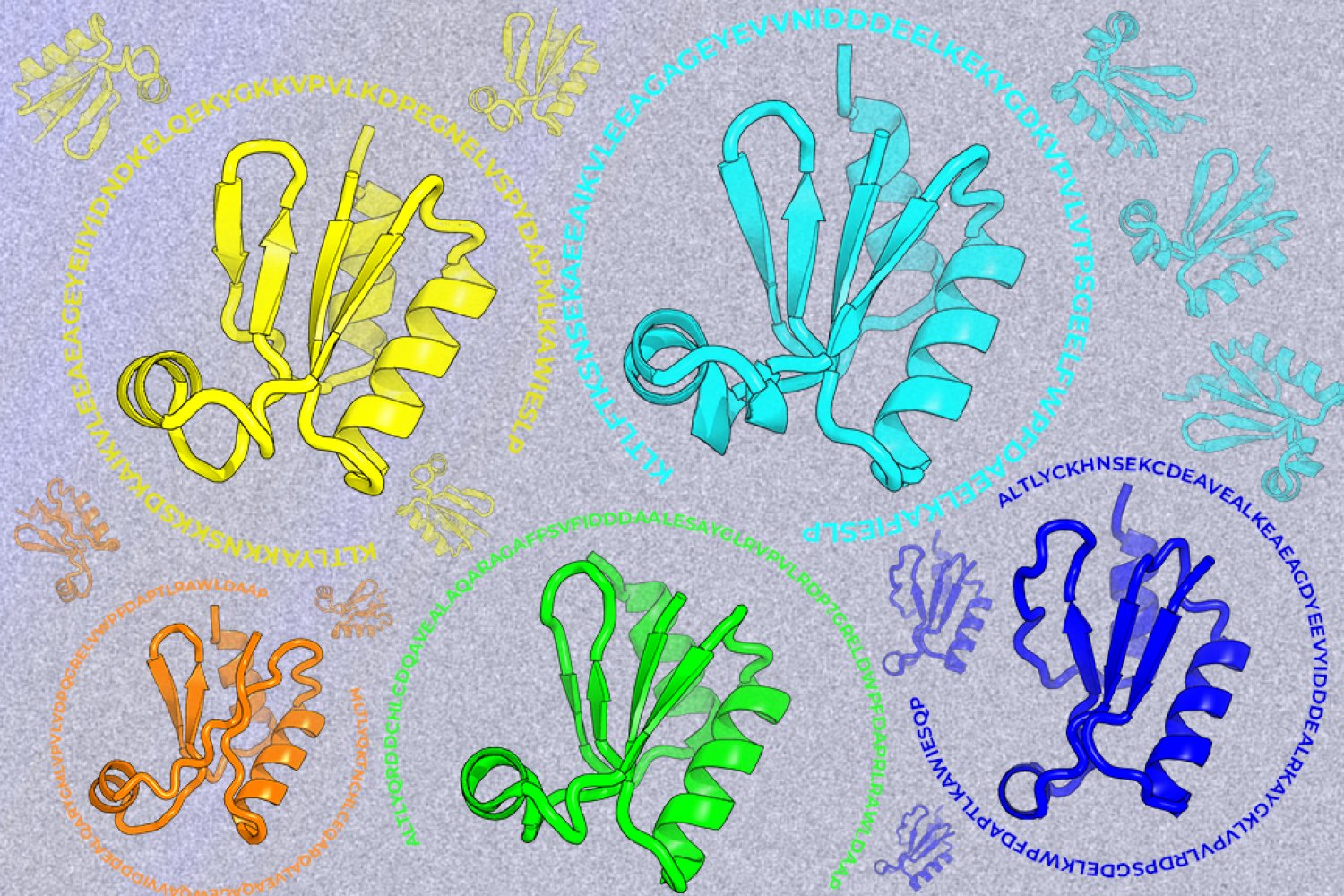
A new machine-learning framework aims to improve the success rate of computational protein design while moving away from results that reproduce sequences found in nature.