

Flint: A visualization language for the AI era
Short chart specifications are easy to write, but often produce uninspiring results. Flint is an open-source visualization language that offers a middle path, letting AI agents create expressive charts from compact, human-editable specifications. The post Flint: A visualization language for the AI era appeared first on Microsoft Research.
More from the blog
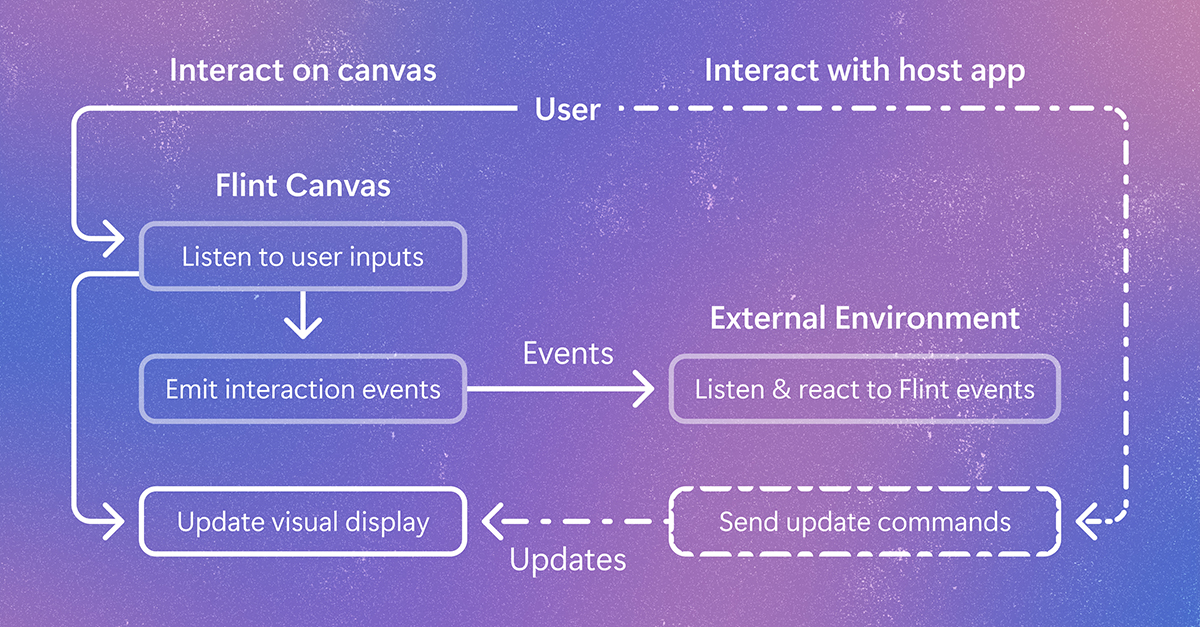
Flint-interactive: A language for creating interactive data visualizations
Flint-interactive gives AI agents a language for creating interactive visualizations. Click a chart, filter data, highlight related content, and explore beyond the view the author originally chose. The post Flint-interactive: A language for creating interactive data visualizations appeared first on Microsoft Research.
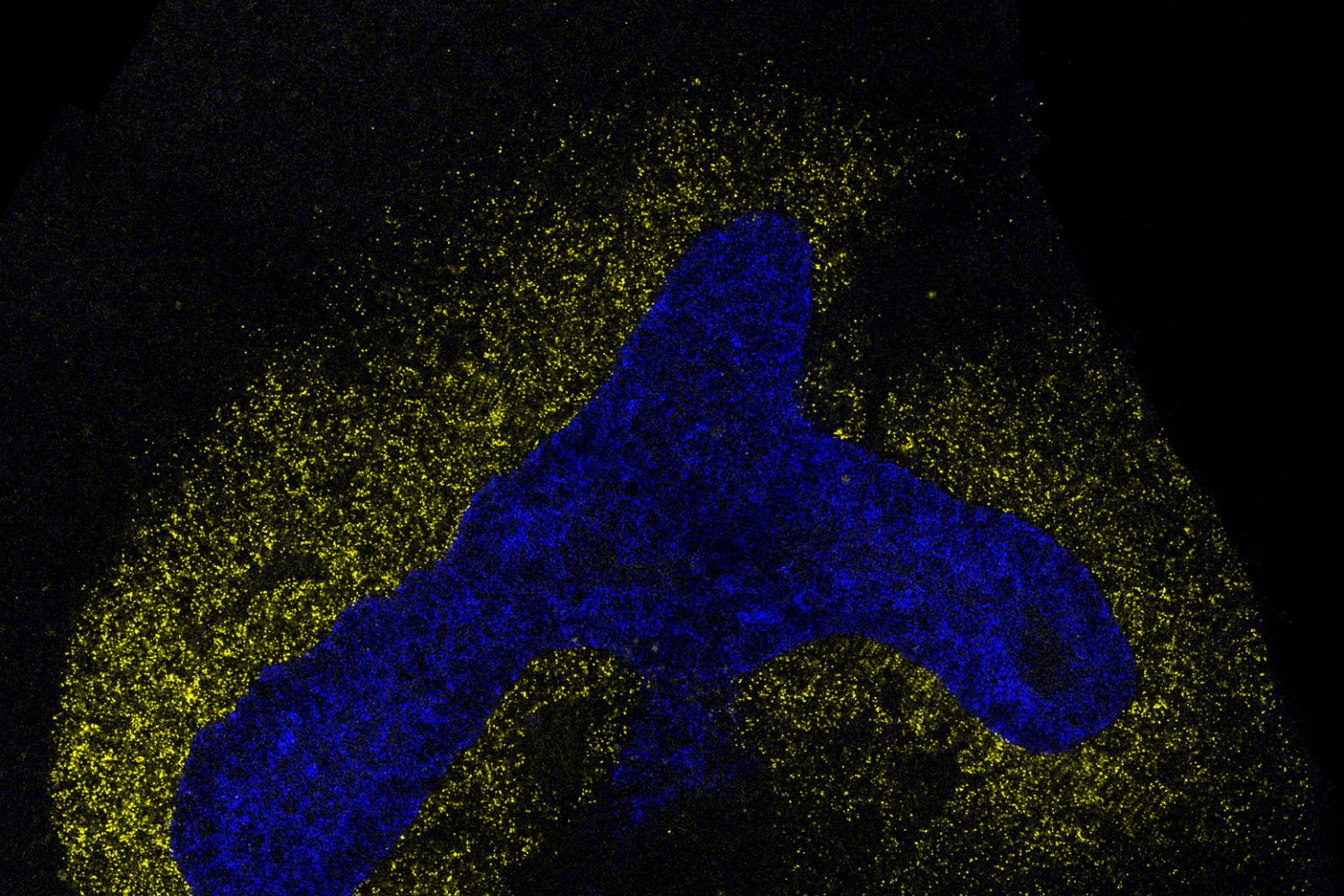
AI model decodes the language cells use to communicate
A new computational approach reveals how cells communicate to assemble into tissues. This could accelerate stem cell engineering, improve disease models, and inform therapies.
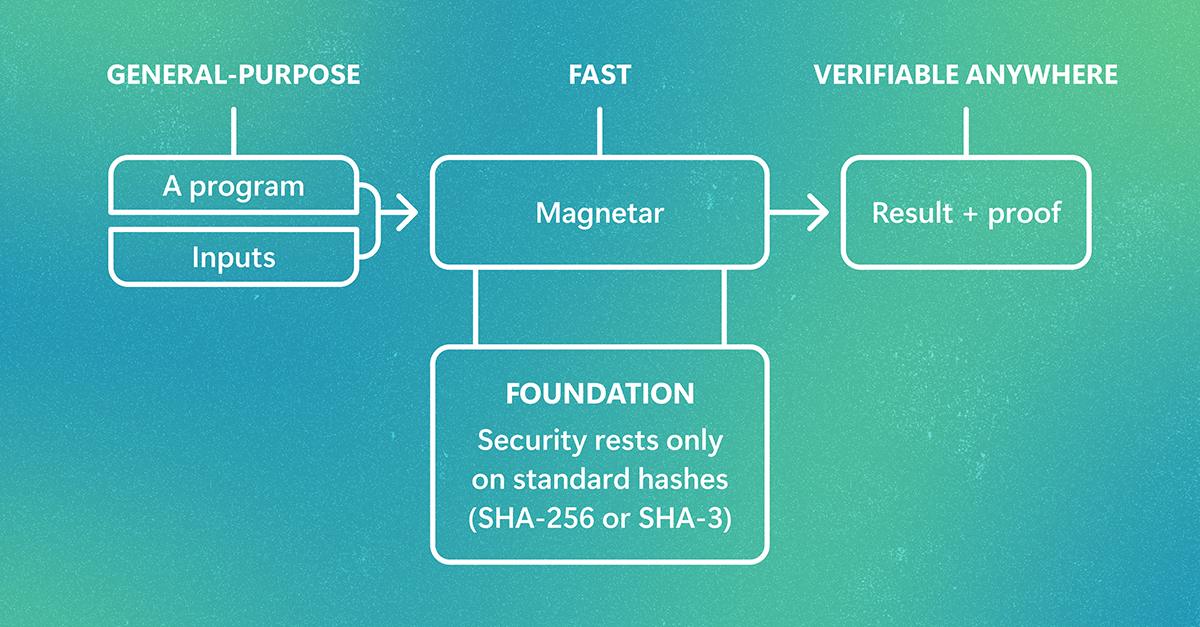
Proof-based general-purpose computing with Magnetar
Zero-knowledge proofs can verify computing results without rerunning workloads or exposing sensitive data. Magnetar helps bring them into the mainstream with support for standard programming languages, major speed gains, and quantum-resistant security. The post Proof-based general-purpose computing with Magnetar appeared first on Microsoft Research.

Gemini 4 Argon: our next era of frontier intelligence
Announcing Gemini 4 Argon, our frontier model for real-world coding, enterprise knowledge work and cyber defense, rolling out soon.
Related papers
AI-powered Code Review with LLMs: Early Results
The goal is to not only refine the accuracy of the LLM-based tool but also to underscore its potential in streamlining the software development lifecycle through proactive code improvement and education.
System for systematic literature review using multiple AI agents: Concept and an empirical evaluation
This paper introduces a novel multi-AI-agent system designed to fully automate SLRs, and demonstrates how it substantially reduces the time and effort traditionally required for SLRs while maintaining comprehensiveness and precision.
Can Large Language Models Serve as Data Analysts? A Multi-Agent Assisted Approach for Qualitative Data Analysis
The proposed LLM-based multi-agent system automates qualitative data analysis process, creating opportunities for researchers and practitioners, and future improvements focus on enhancing multilingual performance and integrating continuous expert feedback.
Large Language Model Evaluation Via Multi AI Agents: Preliminary results
A novel multi-agent AI model is introduced that aims to assess and compare the performance of various LLMs, and initial results indicate that the GPT-3.5 Turbo model's performance is comparatively better than the other models.