LeRobot Community Datasets: The “ImageNet” of Robotics — When and How?
More from the blog
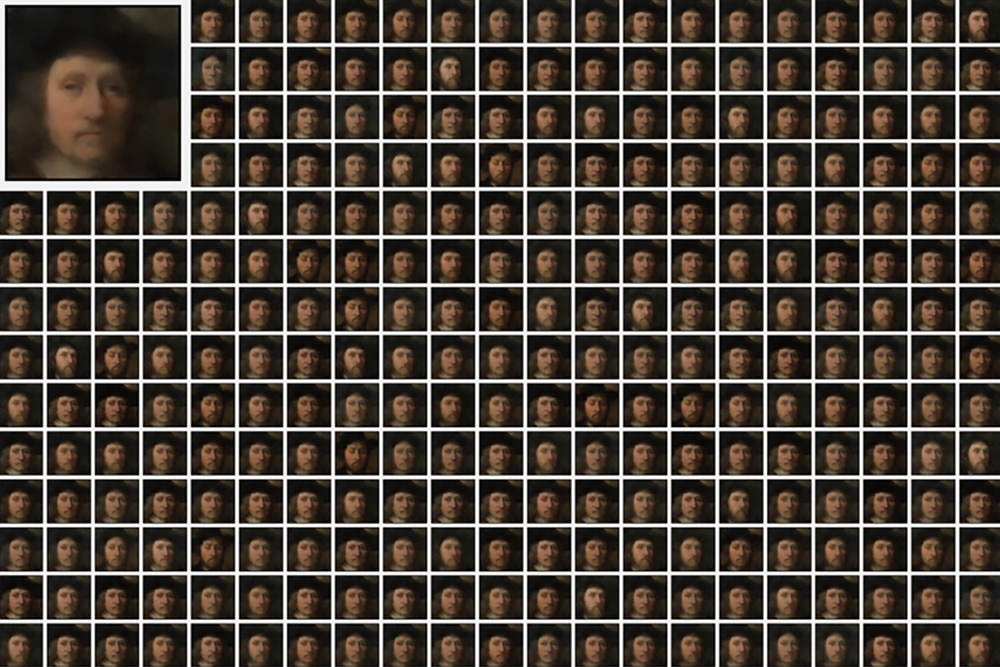
When AI art has no author: Study finds generated images often can’t be traced to training data
A new method for surgically removing training examples from a model reveals that as datasets grow, the link between what a model learns and what it produces dissolves.
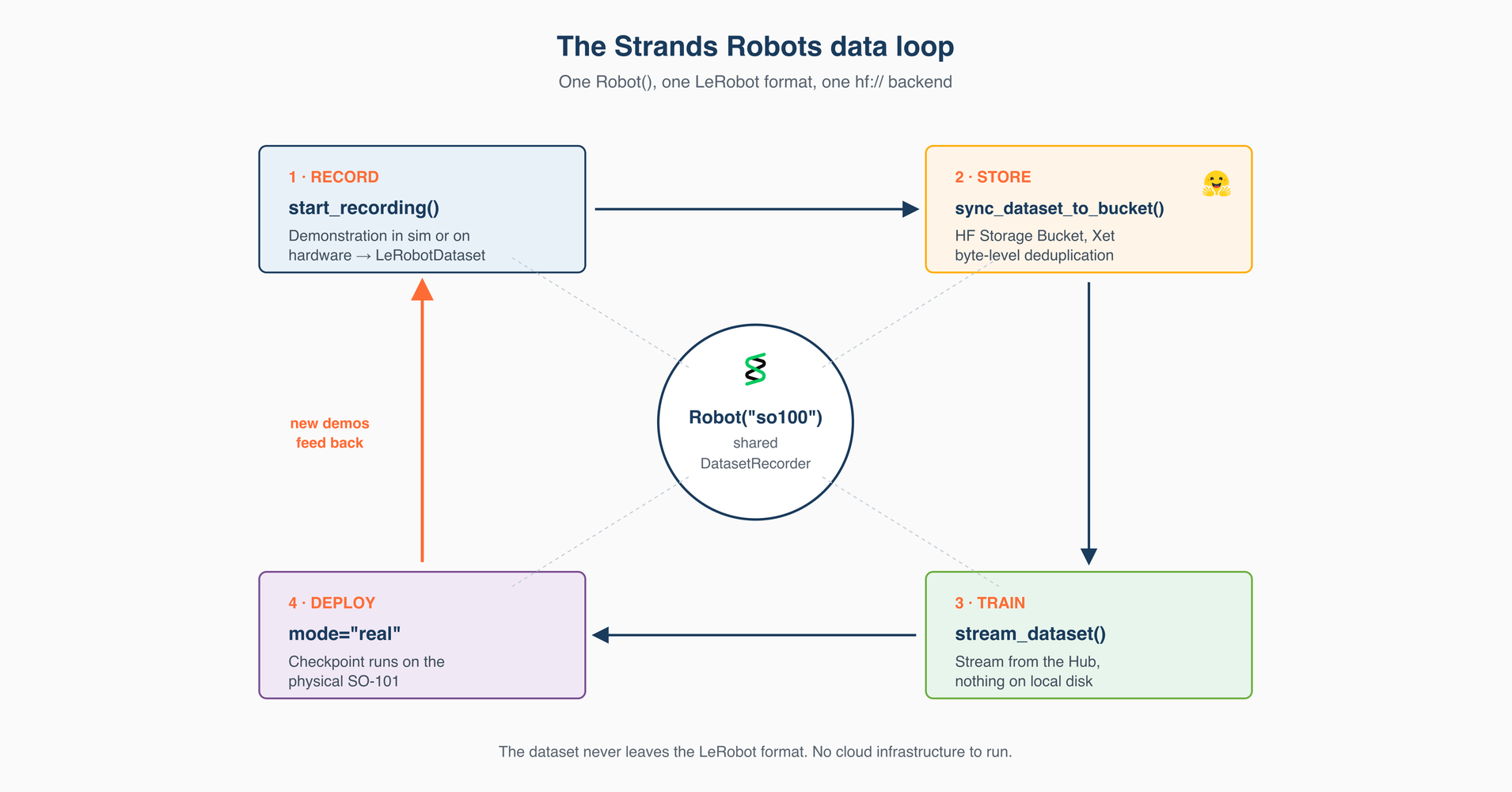
Record, train, and deploy from one place with Strands Agents, LeRobot, and Hugging Face Storage Buckets
A Blog post by Amazon on Hugging Face

Daniela Rus receives Bavarian Minister-President's High-Tech Prize
Director of CSAIL and MIT professor honored for her contributions to robotics, artificial intelligence, and autonomous systems.
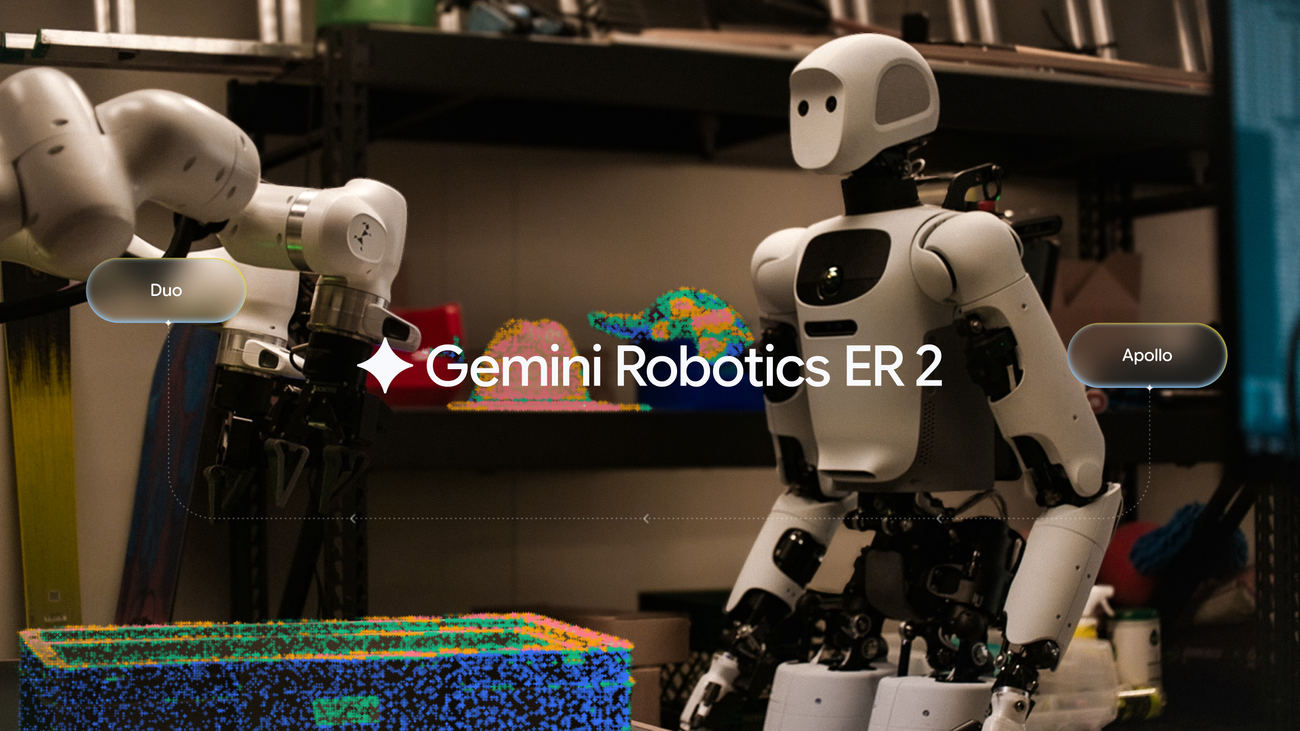
Gemini Robotics ER 2: powering robotics with video understanding, task orchestration, and multi-robot collaboration
Gemini Robotics ER 2 helps robots reason, collaborate, and solve real-world tasks. It represents a step change in video understanding, tool orchestration, and multi-robot collaboration for robotic applications.
Related papers
Constitutional Midtraining: Content Presence Drives Alignment Gains
Post-training alignment is often shallow, eroding under fine-tuning. It remains untested as to whether constitutional midtraining interventions can produce durable alignment when cleanly isolated from post-training. We build a 394M-token constitutional corpus from Anthropic's Constitution and apply constitutional midtraining at 120B scale, where principled, values-based content is inserted into midtraining. A 2x2 design (curriculum ordering x deliberative reasoning) was used to produce four constitutionally midtrained conditions, plus a control, which were evaluated on self-generated and established benchmarks including alignment under pressure, value conflict resolution, blackmail, and emergent misalignment. All models were evaluated across three stages: post-midtraining, post-SFT, and post-benign fine-tuning. Constitutionally midtrained models outperformed the control on alignment generalization and durability, notably on blackmail: SFT instilled a blackmail propensity in all models, but constitutional midtraining blunted it, with the advantage surviving benign fine-tuning (-17.5pp). This durability did not extend to settings that required active resistance to in-context pressure or conflict, where the advantage attenuates after SFT. The presence of constitutional content at midtraining also mattered more than its structure, and constitutional midtraining incurred no capability cost, on average, at any stage (MMLU, ARC-Easy, piqa, GSM8K). A modest amount of constitutional content at midtraining could therefore yield broad, persistent alignment gains, offering a cheap, complementary addition to SFT-centered pipelines. Code, data, and models are available.
Mutation-induced phenotypic plasticity drives formation of a pro-metastatic tumour-intrinsic niche
It is argued that formation of a tumour-intrinsic niche is a prerequisite for BRAF-mutant CRC seeding to distant organs and that interference with niche formation may help avoid metastatic relapse.
Unlocking non-model organisms with CRISPR-Cas: A roadmap for sustainable biotechnology.
It is concluded that bridging the gap between foundational CRISPR research and its real-world applications is imperative and future efforts should focus on democratizing tools via open-source platforms, advancing delivery systems, and fostering sustainable innovation through synthetic biology integration to fully realize the transformative potential of genome editing in organisms beyond model organisms.
Mask2Real-WM: Segmentation Masks as a Sim-to-Real Bridge for Controllable Dexterous World Models
Mask2Real-WM is presented, a two-stage action-conditioned world model for dexterous manipulation that decouples pixel prediction into a dynamics model and a rendering model that shows that mask conditioning and simulation pretraining are both required for per-DoF action controllability across all 23 degrees of freedom.