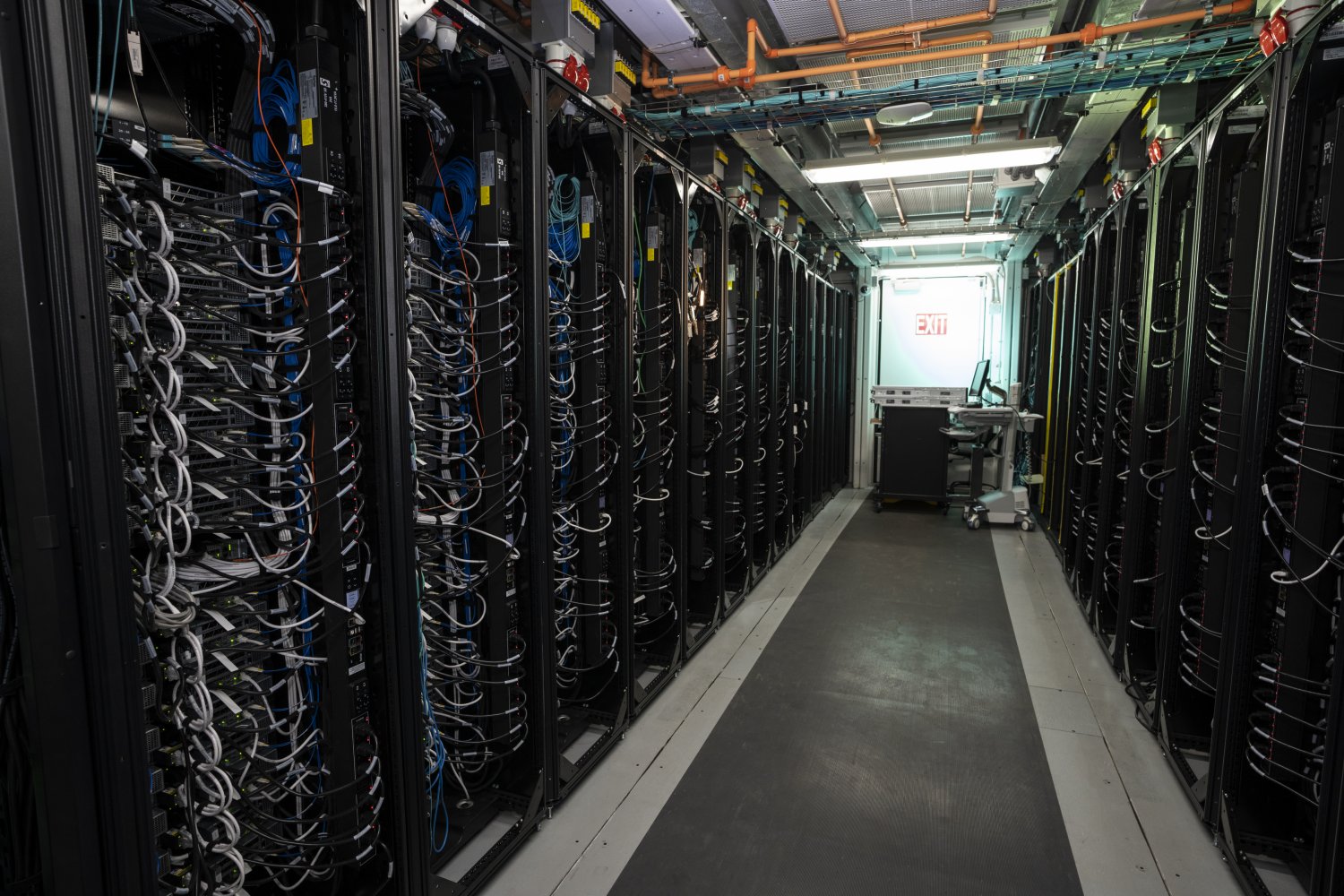
The design, deployment, and performance of cloud-based AI systems, especially scalability, system intelligence, and efficiency, and the challenges, such as latency problems in distributed computing systems, data privacy and security, and resource allocation, are indicated.
Harsh Verma· World Journal of Advanced Re...· 0 citations
The Dark Forest hypothesis treats cosmic silence as the strategic consequence of uncertainty, catastrophic vulnerability and incentives for pre-emptive attack. Its central conclusion is usually stated intuitively rather than derived from an explicit incomplete-information game. This paper develops the Bayesian Dark For...
Kwan Hong TAN· Zenodo (CERN European Organi...· 0 citations
Reliability Beyond Accuracy in Crop Classification Benchmarks (Supplementary Materials)Introduction: Near-perfect crop-label accuracy can conceal uncertainty, perturbation sensitivity, and weak explanations. This study evaluates these reliability dimensions without treating benchmark classification as agronomic recomme...
Kwan Hong TAN· Zenodo (CERN European Organi...· 0 citations
Reach audiences
Advertise in front of researchers, engineers, and readers.
This conceptual article develops a formal theory of atypical human failure in which severe life-course consequences can emerge from a conjunction of adverse conditions, a low-frequency behavioural lapse, stochastic outcome mechanics, categorical legal or institutional thresholds, and dynamically propagating collateral...
Kwan Hong TAN· Zenodo (CERN European Organi...· 0 citations
This conceptual article develops a formal theory of atypical human failure in which severe life-course consequences can emerge from a conjunction of adverse conditions, a low-frequency behavioural lapse, stochastic outcome mechanics, categorical legal or institutional thresholds, and dynamically propagating collateral...
Kwan Hong TAN· PhilPapers (PhilPapers Found...· 0 citations
Reliability Beyond Accuracy in Crop Classification Benchmarks (Supplementary Materials)Introduction: Near-perfect crop-label accuracy can conceal uncertainty, perturbation sensitivity, and weak explanations. This study evaluates these reliability dimensions without treating benchmark classification as agronomic recomme...
Kwan Hong TAN· Zenodo (CERN European Organi...· 0 citations
AI delegation can remove the comparison evidence needed to establish whether automation continues to improve outcomes. This paper develops the counterfactual preservation principle: sustained claims of current comparative benefit require a continuing source of identification whose temporal relevance remains defensible....
Kwan Hong TAN· Zenodo (CERN European Organi...· 0 citations
Legal systems can reverse convictions, dismiss charges, and acquit defendants, but public narratives are not designed to reverse with comparable speed or precision. This article develops narrative hysteresis as a theory of reputational path dependence after public accusation. It integrates the continued influence effec...
Kwan Hong TAN· Zenodo (CERN European Organi...· 0 citations
A person-centred framework of hermeneutic sovereignty for generative AI is developed and concludes that trustworthy AI must preserve not only a human role in decisions, but a meaningful human standing in the production of the interpretations on which decisions depend.
Kwan-Hong Tan· International Journal of Law...· 0 citations
“X-Hinges” helps design and 3D print items like lamps and gloves with an interactive twist: automatically embedded sensors that perceive and adaptively respond to human contact.
StudentSim is a research system for evaluating and improving AI tutoring tools before they are tested with learners. It models how individuals may engage with tutors, giving feedback to improve tutor performance across subjects like chess, writing, and mathematics. The post Simulating student learning for better AI tutoring appeared first on Microsoft Research.
MIT News · Artificial Intelligence· news.mit.eduOct 6, 2026
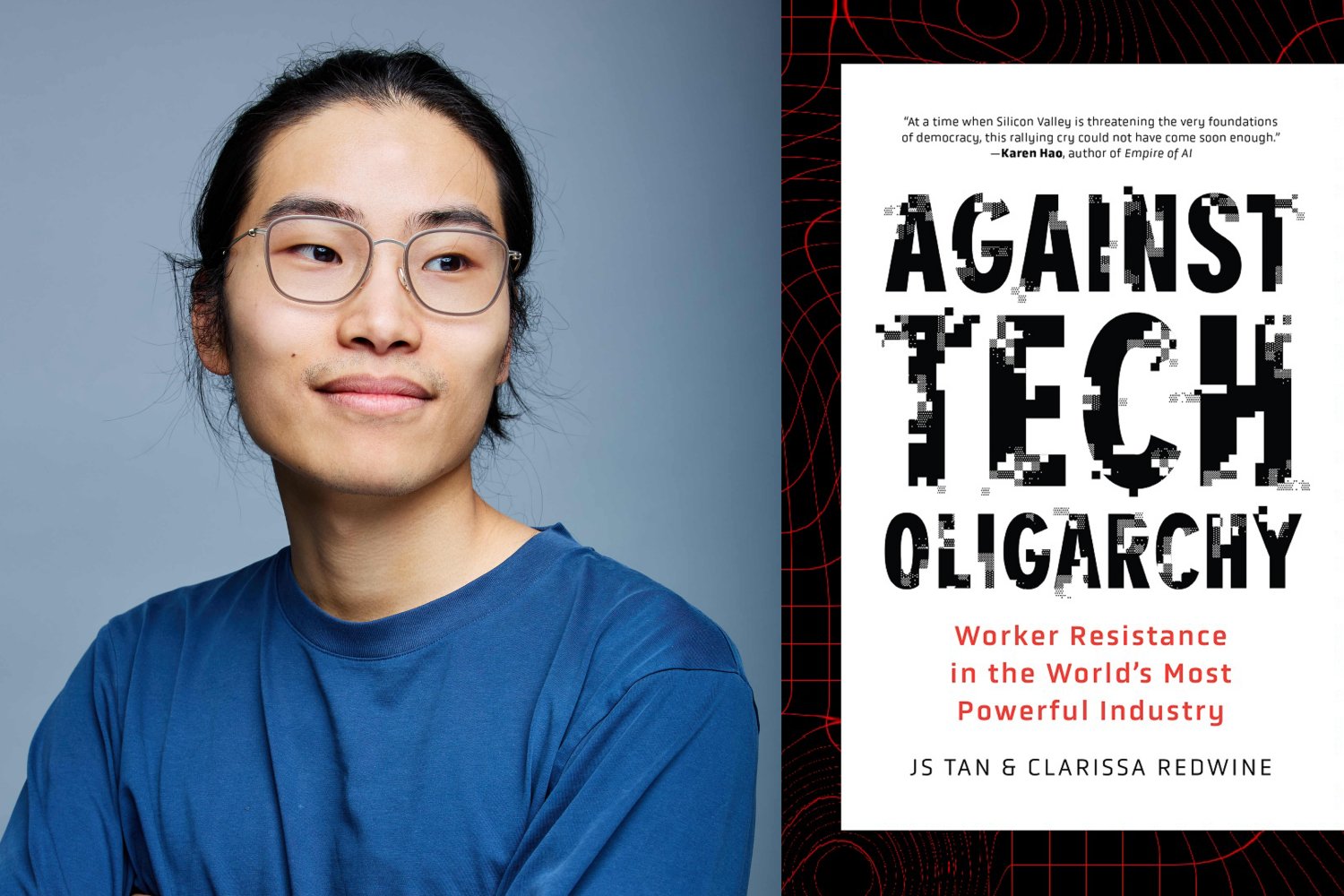
Writing as a participant and researcher, PhD student JS Tan SM ’22 has co-authored a new book about the rise of tech worker protests and the employer backlash that followed.
We use cookies to run the site and, with your consent, for analytics and to show ads.
See our Cookie Policy.