Apr 2026· AGENT@ICSE· pp. 152-156· 0 citations· 20 references
Computer Science
TL;DR
Preliminary results indicate performance differences across LLMs, suggesting that model choice influences coverage, consistency, and hallucination rates.
Abstract
This paper presents MARARE, a real-time multi-agent system that transforms meeting dialogues into structured software requirements. One agent interacts with participants, while background agents extract and verify requirements collaboratively. Evaluation using the LLM-as-a-Judge method across five meetings (5–8 minutes each) shows a mean coverage of 80.0 ± 11.2 % (mean ± SD), semantic similarity of 0.86 ± 0.05, and hallucination rate of 14.3 ± 6.2 %. Preliminary results indicate performance differences across LLMs, suggesting that model choice influences coverage, consistency, and hallucination rates.
This workshop aims to define a roadmap for a world where AI Teammates and human developers build the future together, anchored by the launch of the AIDev dataset, which provides the empirical evidence needed to understand the behaviors of AI Teammates.
Hao Li, Haoxiang Zhang, Jie M. Zhang et al.· Proceedings of the 32nd ACM...· 2 citations
AgentForge is presented, an immersive learning system in which novices take on one of four software-engineering roles: Task Planner, Patch Author, Code Reviewer, or Test Runner, within a multi-agent code-repair workflow, which clarifies role-specific responsibilities, makes agent coordination and intermediate artifacts...
An AI Task Agent system based on a Telegram chatbot, integrated with n8n as a workflow automation platform and Supabase as the database is developed that can improve the effectiveness of students’ task management through more practical, responsive, and structured interactions.
Huzain Azis, N. Widiyanti· Indonesian Journal of Data a...· 0 citations
This study uses a multi-method approach - combining participatory design workshop, paper-and-pencil, expert review, meta-analysis, and in-depth interviews - to identify and validate a design framework of eight core UX principles for human-AI agent interaction in the workplace.
Kathrin Paimann, Elizângela Valarini, Sebastian Juhl· arXiv.org· 0 citations
The AI-supported UX Strategy Evaluator, created by German UPA’s UX Strategy Working Group, addresses the gap by posing questions to UX strategists and UX managers, rather than attempting to provide answers or best practices.
Franziska Gronwald, Björn Rohles· i-com· 0 citations
Autonomous artificial intelligence (AI) agents can now log into a learning management system, read course materials, and complete unproctored, asynchronous assessed work end-to-end with no student involvement. We document that capability and trace its consequences for assessment validity. Three demonstrations on a live...
Stavros P. Hadjisolomou, R. El-Haddad· Intersection: A Journal at t...· 0 citations
Jennifer Neville did not want to go into computer science—but that’s exactly where she landed. Neville discusses the starts and stops that led to her professional sweet spot and her work identifying “surprising failures” making it hard for AI to handle complexity. The post What AI gets wrong and what failure teaches us appeared first on Microsoft Research.
MIT News · Artificial Intelligence· news.mit.eduOct 15, 2026
A new computational approach reveals how cells communicate to assemble into tissues. This could accelerate stem cell engineering, improve disease models, and inform therapies.
Microsoft Research Blog· microsoft.comSep 29, 2026
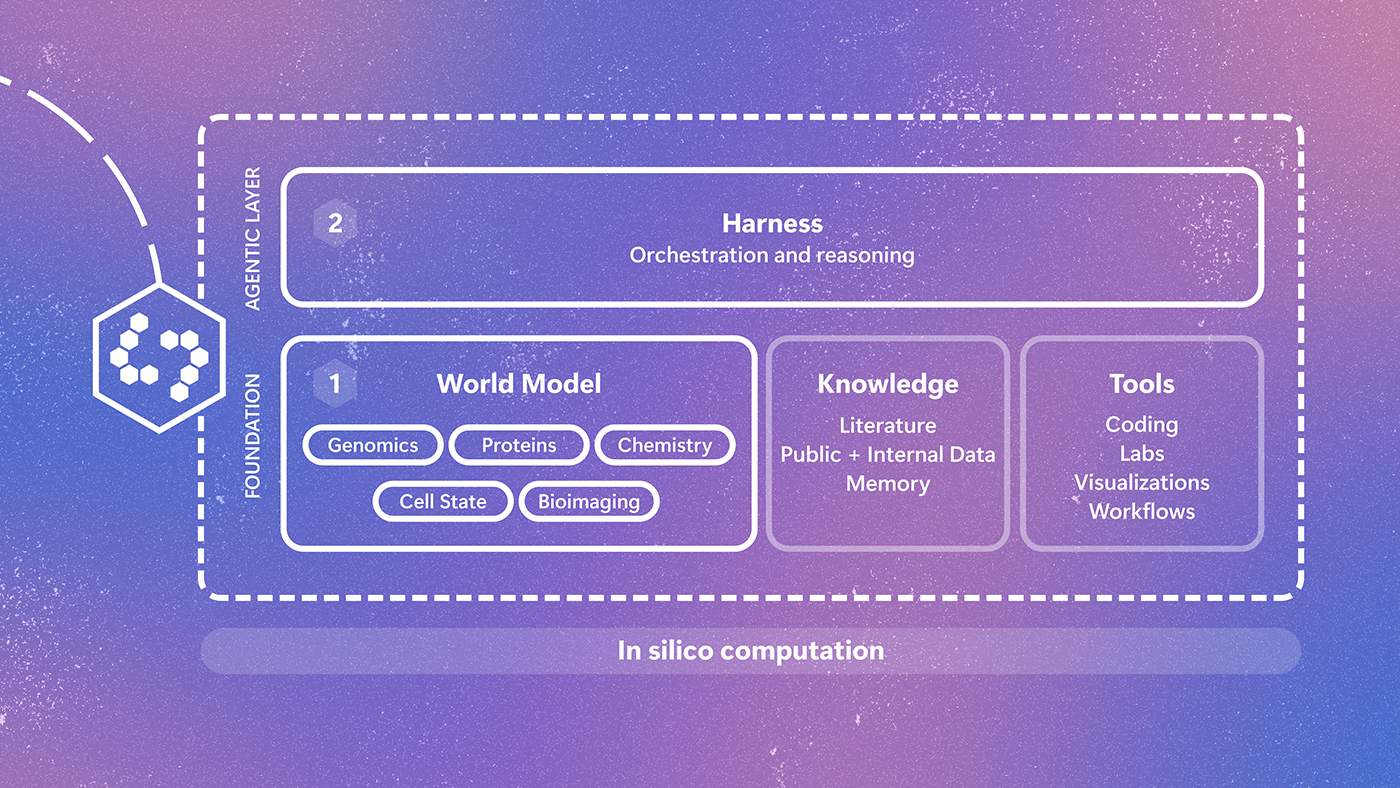
Biology doesn't operate in silos, and neither should the AI representation of it. Quine is an early-stage research effort to create a multimodal world model of biology. By connecting insights across biological scales and modalities, Quine helps scientists computationally search a space far larger than intuition allows and prioritize hypotheses before they reach the lab. Experimental results provide important feedback, helping researchers sharpen future research directions. The post Introducing Q…
Microsoft Research Blog· microsoft.comJul 30, 2026
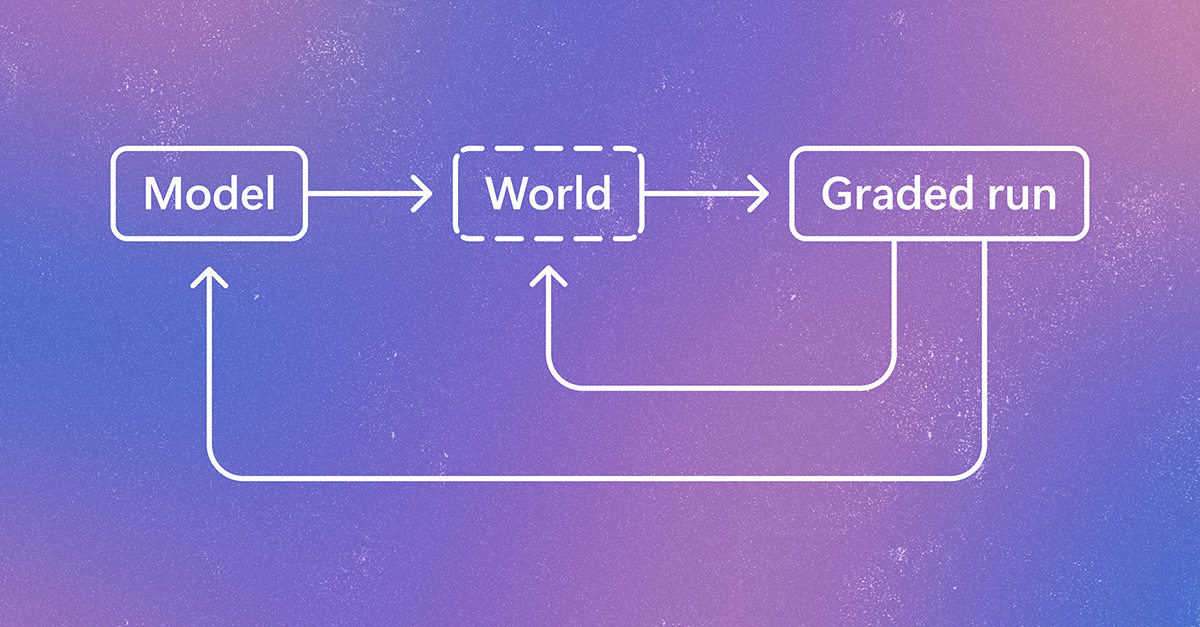
Computer-use AI agents struggle with multi-step workflows like email and customer support. Echoverse trains agents in realistic environments rather than simply providing more training tasks, helping them improve as the tasks, tests, and environments evolve. The post Echoverse: Deep, evolving environments for computer-use agents appeared first on Microsoft Research.
We use cookies to run the site and, with your consent, for analytics and to show ads.
See our Cookie Policy.