Skip to content

Engineering inflammation-responsive proteins through nitric oxide-caged amino acids.

Aug 2026 · Nature Biomedical Engineering · 0 citations · 44 references
Medicine

TL;DR

This work reports a protein engineering strategy that enables selective restoration of protein function in nitric oxide-rich environments and establishes nitric oxide-triggered chemical reactivation of proteins as a generalizable method for post-translational control of protein function.
View source

Similar papers

Aug 2026

Dynamic covalent/coordinated nanonetworks with DNase-mimetic and ROS scavenging properties for acute inflammation treatment.

Sterile inflammation driven by cell-free DNA (cfDNA) and reactive oxygen species (ROS) underlies acute inflammatory disorders, yet current therapies fail to specifically target these upstream mediators. We report a dynamic covalent/coordinated nanonetwork (DC2 NNW) that combines drug delivery, DNase-mimetic and ROS-sca...

Yan-Qiang Huang, Xiao Zhang, Wenlu Li et al. · 0 citations
Open access Sep 2026

NIR-Responsive Mitochondrial-Targeted Nanozymes With Built-In Antibacterial Function for Safe Osteoarthritis Therapy.

Osteoarthritis is a prevalent degenerative joint disorder characterized by chronic inflammation and oxidative stress, with current treatments offering limited efficacy in halting disease progression. A central pathogenic driver is the mitochondrial overproduction of reactive oxygen species (ROS), which induces cellular...

Jun-Hao Cui, Hai-Tao Han, Zhen-Tao Man et al. · 0 citations
Review Open access Sep 2026

Organoselenium compounds as redox modulators of inflammation: Synthetic strategies, mechanistic insights, and therapeutic potential.

Inflammation is a fundamental biological response, whose chronic activation contributes to the development and progression of numerous diseases, including arthritis, cardiovascular and neurodegenerative disorders. As such, the discovery of safe and effective anti-inflammatory drugs remains a central challenge in medici...

G. Barchielli, A. Capperucci, R. F. Schumacher et al. · 0 citations
Review Aug 2026

Plant-derived extracellular vesicles (PDEVs) in anti-aging research: A review of biomedical characteristics and therapeutic applications.

Aging is a complex, irreversible physiological process characterized by gradual deterioration of tissue structure and function, accompanied by impaired regenerative capacity, dysregulated immune homeostasis, and increased susceptibility to chronic age-related diseases (e.g., neurodegenerative disorders, metabolic syndr...

Xiao-Lin Huang, Ziyuan Guo, Li Liu et al. · 0 citations
Aug 2026

An Energy-Sustainable and Oxidative-Tolerant Nanofactory of Therapeutic Proteins for Long-Acting Therapy of Inflammatory Bowel Disease.

The ability to continuously generate bioactive therapeutics at the diseased site is an appealing and crucial advantage for the treatment of chronic relapsing diseases such as inflammatory bowel disease (IBD). Current in situ therapeutic factory strategies mainly rely on plasmid drugs, which are usually associated with...

Qian Chen, Lenan Xu, Ke Duan et al. · 0 citations

Related blog posts

Google DeepMind Blog Sep 30, 2026

Introducing SynthID Bio

Proof of concept for watermarking AI-generated proteins while preserving biological function.

MIT News · Artificial Intelligence Aug 27, 2026

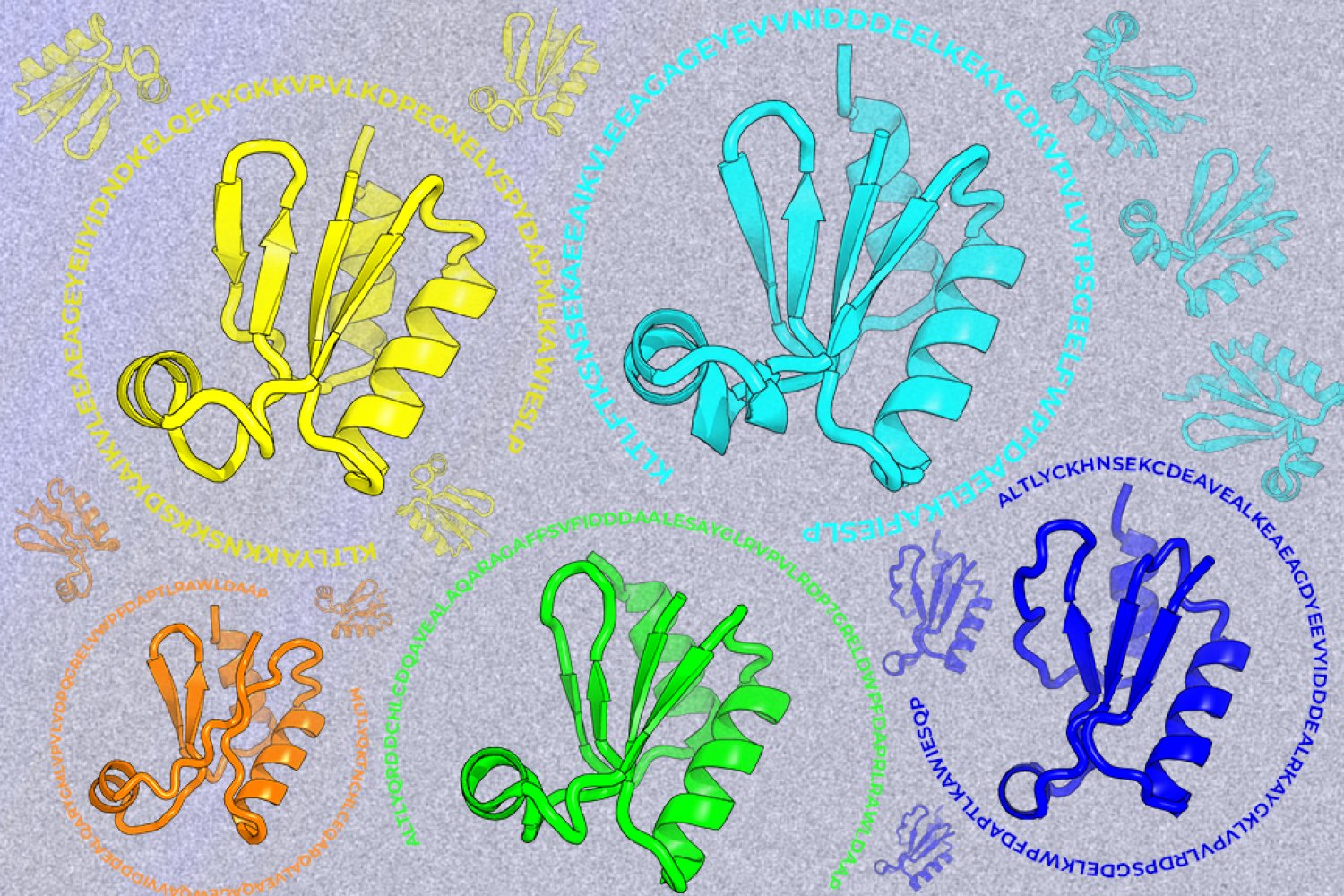
Looking beyond natural sequences

A new machine-learning framework aims to improve the success rate of computational protein design while moving away from results that reproduce sequences found in nature.

We use cookies to run the site and, with your consent, for analytics and to show ads. See our Cookie Policy.