Residual gene editors are a concern associated with the widespread application of CRISPR/Cas9 technology. Here, we developed a CRISPR/Cas12a-based fluorescent aptasensor for the qualitative and quantitative detection of Cas9 protein. Secondary structure prediction and molecular docking were combined to identify potenti...
Zi-Zhao Wang, Jing Wang, Ling Li et al.· Molecules· 0 citations
An improved method for efficient generation of multi-KOs using sgRNA DNA strands and the CRISPR/Cas9 system is presented, which offers a simpler, faster, and cost-effective approach for generating multigene knockout clones, with implications for functional genomics, therapeutic development, and synthetic biology.
Yusra Manzoor, Yosra Bejaoui, D. Ramotar et al.· DNA and Cell Biology· 0 citations
The adenine base editor template number (ATN) system is developed, which implements ordered, stepwise editing of double-stranded DNA through a programmable cascade of modifications and enables temporally regulated manipulation of cell fate.
Xin-Yuan Dai, Jia-Chuan Jin, Zhao-Jun Wang et al.· Journal of genetics and geno...· 0 citations
How iPSC-based disease modeling is evolving from a platform for mechanism discovery toward a test bed for therapeutic epigenome engineering is discussed and the major challenges that must be addressed are outlined before epigenome editing can be translated to patients with imprinting disorders.
A. Nemoto, Hideyuki Okano· Neurosciences research· 0 citations
Reach audiences
Advertise in front of researchers, engineers, and readers.
This review traces the full arc of WAS gene therapy, from early preclinical proof of concept through regulatory approval, which culminated in the FDA approval of WASKYRA (etuvetidigene autotemcel) in December 2025, establishing autologous gene therapy as a licensed standard of care for WAS patients lacking a suitable H...
Z. Karimizadeh, Amirali Kalantari, M. Behfar et al.· Regenerative medicine· 0 citations
Long non-coding RNAs (lncRNAs) have emerged as important regulators of gene expression acting through transcriptional, post-transcriptional, and epigenetic mechanisms. In teleosts, high-throughput sequencing has identified a growing number of lncRNAs associated with gonadal development and reproductive function, yet cu...
Beatriz Marques De Souza, Amanda De Oliveira Ribeiro, Maira da Silva Rodrigues et al.· Fishes· 0 citations
Drought stress restricts rapeseed yield. KUP9 is involved in potassium ion transport and osmotic regulation whereas CIPK9 mediates abscisic acid signaling and stomatal movement which form an interaction network through potassium homeostasis and signal transduction. A dual-gene tandem expression cassette vector based on...
Yu-Chen Tang· International Journal of Edu...· 0 citations
Respiratory viruses, including coronaviruses, generally initiate infection in the upper respiratory tract, where mechanistic studies of host-virus interactions require models amenable to genetic manipulation. Human nasal air-liquid interface (ALI) cultures are realistic models of the nasal epithelium, but robust CRISPR...
S. W. van Leur, J. Chu, Xue-Sheng Wu et al.· bioRxiv· 0 citations
INTRODUCTION
Molecular biology investigates processes that occur at microscopic scales and are not directly observable, which often makes them difficult to communicate to non-specialist audiences. At the same time, advances such as gene editing, sequencing technologies, and molecular diagnostics are increasingly p...
Thabata Fernanda Oliveira, Letícia Veloso Ribeiro Franco· Revista de Ensino de Bioquím...· 0 citations
Herein, we investigated the role of the human T-cell leukemia virus type 1 (HTLV-1)-encoded regulatory factor, HTLV-1 basic zip factor (HBZ), in HTLV-1 infections and adult T-cell leukemia/lymphoma (ATL). We designed five synthetic guide RNAs (sgRNAs) targeting HBZ and introduced them into ATL cell lines in vitro using...
Cervical cancer, a significant global health challenge, is strongly associated with persistent infection with high-risk human papillomavirus (HPV), particularly HPV-16. The viral oncoproteins E5 and E6 are critical to HPV-mediated carcinogenesis, as they promote cell proliferation, immune evasion, apoptosis resistance,...
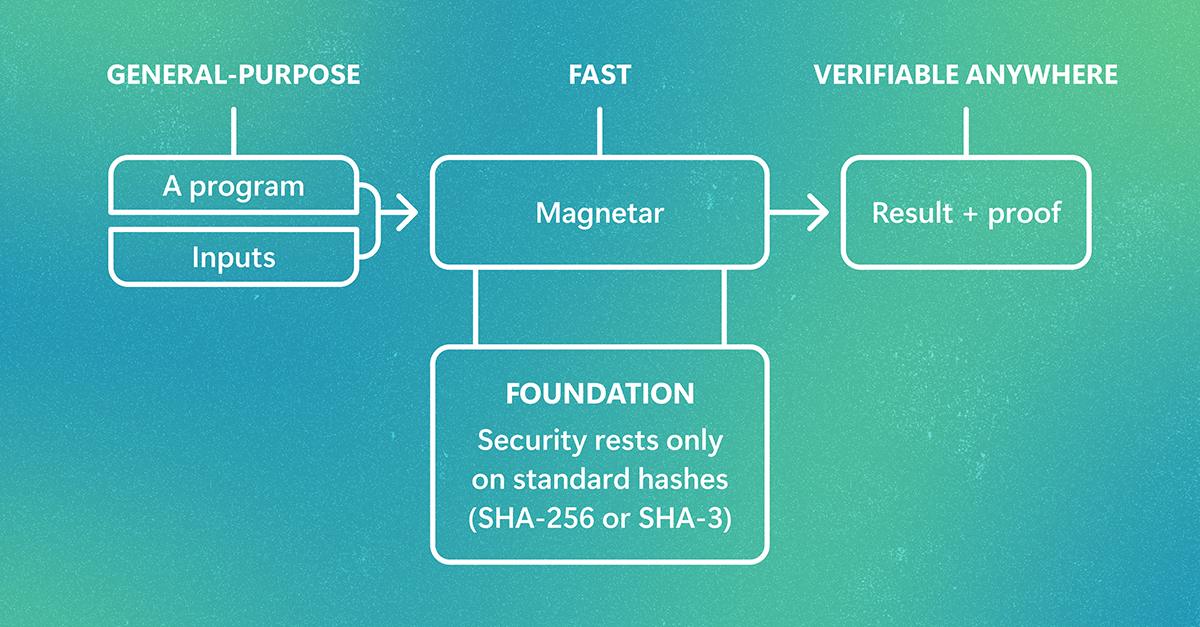
Zero-knowledge proofs can verify computing results without rerunning workloads or exposing sensitive data. Magnetar helps bring them into the mainstream with support for standard programming languages, major speed gains, and quantum-resistant security. The post Proof-based general-purpose computing with Magnetar appeared first on Microsoft Research.
Exploring how generative AI could make machine vision more accessible to businesses. The post GenEye in a Box: Making Machine Vision Something You Can Just Ask For appeared first on GPT-Lab.
We use cookies to run the site and, with your consent, for analytics and to show ads.
See our Cookie Policy.