Skip to content

Category

protein folding

257 papers

#protein folding Open access Aug 2026

Early Gastric Cancer Detected During 15‐year Surveillance After Ménétrier Disease Remission and Successfully Treated With Endoscopic Submucosal Dissection: A Case Report

This case highlights the importance of continued endoscopic surveillance for gastric carcinogenesis even after long‐term clinical remission of MD and reveals no evidence of active MD.

Takaaki Shamoto, Hideko Yamamoto, Takehito Naito et al. · 0 citations
#protein folding Open access Aug 2026

Synthetic transcriptional control in the malaria parasite Plasmodium falciparum

Malaria is responsible for over half a million deaths each year. However, our understanding of malaria parasite biology is hampered by a lack of molecular tools, particularly at the level of transcriptional control. In light of this, we have created two orthogonal systems for inducible transcriptional repression in the malaria parasite Plasmodium falciparum using bacterial repressor proteins. We achieve 200- to 800-fold repression of expression, improving on previous attempts at transcriptional regulation by two orders of magnitude and outperforming gold standard translational/post-transcriptional regulation systems. We developed automated DNA design software to apply this tool to conditional regulation of native gene expression, validating essentiality and chemogenetic interactions with both two parasite lipid kinases and PfKelch13, which is associated with artemisinin resistance. These tools can advance our understanding and engineering of malaria functional genomics, drug mechanisms, and gene regulation.

Pablo Cárdenas Ramírez, Sebastian Smick, S. Dey et al. · 0 citations
#protein folding Open access Aug 2026

Prot-LAMBDA: Explicit Distance Learning Enhances Structural Reasoning in Protein Language Models

Protein language models (PLMs) learn evolutionary information from large-scale sequence data, but three-dimensional relationships are encoded only implicitly. Here, we introduce Prot-LAMBDA (Protein LAnguage Model Boosted with Distance Awareness), a PLM that explicitly incorporates spatial relationships by coupling residue embeddings with inter-residue contacts. Prot-LAMBDA improves performance across diverse structure-related tasks, including contact, secondary structure, backbone geometry, solvent accessibility, and protein fold prediction. Notably, it achieves a twofold improvement in long-range contact recall and an 11.7% reduction in ψ-angle prediction error relative to ESM2-3B. Despite having approximately fivefold fewer parameters, Prot-LAMBDA also improves 3D structure prediction over ESM2-3B by 5–7% in TM-score when coupled to the same structure-prediction module. Building on these representations, we developed LambdaFold, a lightweight distance-guided structure prediction framework that achieves performance comparable to ESMFold on proteins strictly non-redundant to the training data. Finally, retrieval-augmented integration of structural templates increases mean TM-score substantially for targets with high template coverage and rescues several incorrect folds. Together, these results demonstrate that explicit spatial constraints enable efficient and generalizable structural representation learning and protein structure prediction.

Nabil Ibtehaz, Zicong Zhang, Yuki Kagaya et al. · 0 citations
#protein folding Open access Aug 2026

Substrate filling ratio affects nitrogen removal and antibiotic resistance risk in modular moving bed constructed wetland: Biofilm-mediated microbial community succession and resistome profiles reshaping.

Constructed wetlands (CWs) are widely used for advanced treatment of wastewater treatment plant effluents and their nitrogen (N) removal performance is often inhibited by antibiotics. Biofilms on CW substrates play a fundamental role in pollutant biodegradation, microbial community stability and antibiotic resistance gene (ARG) dissemination. This study investigated the effects of substrate filling ratios (90% and 60%) in modular moving bed constructed wetlands (MMB-CWs) on operational performance, biofilm properties and antibiotic resistance risks. The MMB-CW with higher substrate filling ratio exhibited a better N removal efficiency of 83.7% and a significant reduction of nitrous oxide emission by 72.6%. The higher substrate filling ratio increased the protein/polysaccharide ratio of extracellular polymeric substances (EPS), potentially forming a hydrophobic barrier and structured a highly modular microbial network with pronounced niche differentiation. Genome-centric analysis revealed that core taxa carrying denitrification and anammox genes (narG, narH, nirS, nosZ, hzs, hdh) enriched by 1.5- to 12.6-fold in abundance in the MMB-CW with 90% substrate filling ratio. Notably, Desulfobacillus increased by 1.7-fold in abundance, which served as a keystone species driving denitrification, EPS construction, oxidative stress adaptation and energy production. The elevated abundances of enzymes catalyzing key electron- and energy-generating steps in the tricarboxylic acid cycle and denitrification enzymes drove a more complete denitrification process. The highly modular network restricted horizontal gene transfer of ARGs, mitigated the enrichment of pathogenic antibiotic-resistant bacteria (PARBs) and occurrence of high-risk ARGs in MMB-CW. The findings provide an optimization strategy for MMB-CW in view of treatment performance and ecological risk.

Lei Zhou, Jiawei Xie, Liming Zhang et al. · 0 citations
#protein folding Open access Aug 2026

Synergistic effects of ultrasound pretreatment and λ-carrageenan complexation on the stability and quercetin delivery efficiency of tilapia protein emulsion gels: The role of λ-carrageenan concentration.

The application of quercetin in functional foods is severely limited by its poor aqueous solubility, chemical instability, and low oral bioaccessibility. This study investigated the synergistic effects of ultrasound pretreatment and λ-carrageenan (λ-CA) complexation on the stability and quercetin delivery efficiency of tilapia protein (TP)-based emulsion gels. The results showed that ultrasonication induced partial unfolding of the TP secondary structure and tertiary conformation, thereby exposing more hydrophobic groups and free sulfhydryl groups, which promoted the formation of UTP-λ-CA complexes with enhanced solubility. More importantly, this synergistic strategy constructed a denser, more ordered gel network, providing effective steric hindrance against droplet aggregation and significantly enhancing the viscoelasticity, environmental stability, and digestive resistance of the system. Compared with UTP-0.1%λ-CA and UTP-0.2%λ-CA complex-stabilized emulsion gels, the UTP-0.3%λ-CA emulsion gel exhibited the smallest droplet size (D4,3 = 14.95 μm, D3,2 = 2.80 μm), the highest storage modulus (G'), and superior viscoelasticity. It also demonstrated the highest quercetin retention rates after UV irradiation (77.07%) and thermal treatment (74.93%). Furthermore, this system achieved the greatest quercetin bioaccessibility (31.19%), a 2.09-fold increase compared to the TP emulsion gel (14.92%). These findings provide theoretical support for the development of high-performance aquatic protein-based delivery systems for hydrophobic bioactive compounds.

Qiao-Li Zhao, Fu-Xiao Guan, Huan Liao et al. · 0 citations
#protein folding Open access Aug 2026

Exogenous GA3 delays walnut fruit maturation and alters kernel fatty acid composition by modulating genes and hormones during development.

Regulation of walnut fruit maturation is crucial for delaying harvest and maintaining kernel quality. In this study, 'Qingxiang' walnut (Juglans regia L.) fruit were treated with 300 mg L-1 gibberellic acid (GA3) during 20-100 days after flowering (DAF) to assess its effects on fruit development, kernel nutrient composition and endogenous hormonal dynamics. GA3 treatment decreased walnut husk cracking and peeling incidences at 154 DAF by 46 and 59 percentage points, respectively, and delayed fruit abscission by 7 days compared to the control. In the husk, GA3 treatment postponed the accumulation peaks of acid-soluble pectin, suppressed pectin methylesterase and β-galactosidase activities, and downregulated JrPME-like2 and JrPMEI4 expression levels. In kernels, GA3 treatment delayed the protein accumulation pattern by approximately 12 days and reduced the relative content of oleic acid (OA) while promoting linoleic acid (LA) accumulation in kernels, consistent with altered expression peaks of JrFAD2 and JrFAD3. Significantly, in the GA3-treated group, OA and LA contents were highly correlated with the expression levels of JrGAI-like1, LEC2, JrSAD6, JrFAD2, and JrFAD3. GA3 treatment also elevated the peak levels of ZT, tZ-type CTK, IAA, and JA in walnut kernels, delayed the ZT peak by approximately 20 days, and increased endogenous GA3 content approximately 15-fold at 76 DAF relative to the control, whereas ABA and SA contents remained unaffected. Potential hormonal crosstalk among GA3, ABA, IAA, and tZ-type CTK suggests a complex regulatory network modulating nutrient accumulation in walnut kernels. Overall, GA3 delays walnut maturation by coordinating enzyme activities, hormonal balance, and gene expression, providing an effective strategy to extend harvest windows and enhance walnut quality.

Fan Yang, Fang-Zhi Wu, Si-Ke Wang et al. · 0 citations
#protein folding Open access Aug 2026

Evaluation of dietary Bacillus-based commercial probiotics in broiler chickens.

Commercial Bacillus-based probiotics are widely used in poultry production, but their biological mechanisms of action in broiler chickens are still not fully understood. This study evaluated the effects of dietary supplementation with Bacillus-based commercial probiotics on the performance, meat and tibia traits, gut health (ileal morphology and cecal volatile fatty acids), antioxidant status, nutrient digestibility, and intestinal gene expression in broiler chickens. Day-old Ross 308 broiler chicks (288 in total) were randomly assigned to one of four dietary treatments, with six replicate pens of 12 birds each in an environmentally controlled facility. The treatments included a control group fed a basal diet and three probiotic-supplemented diets: Bacillus subtilis KCCM13366P at 5.0 × 10⁷ cfu/kg (BS), Bacillus licheniformis KCCM11751P at 1.0 × 10⁸ cfu/kg (BL), or an equal blend at 2.0 × 10⁸ cfu/kg (BSL). On days 21 and 35, one or three birds per pen were sampled for feathers, blood, small intestine, and cecal digesta to determine the indicators of gut health (i.e., secrtory immunoglobulin A, gut morphology, cecal volatile fatty acids, and intestinal gene expression) and physiology (i.e., serum parameters, corticosterone, and antioxidants parameters). In addition, meat quality and ileal nutrient digestibility were assayed on day 35. Data were analyzed using the general linear model procedure in SAS followed by pairwise differences using Tukey's post-hoc test. Statistical significance was preset at P < 0.05. The trial lasted for 35 days. Dietary BSL tended to increase feed intake during the grower phase by 6.33% (P = 0.087). Dietary BS and BSL improved the feed conversion ratio by 7.83% and 5.22%, respectively, during the starter phase (P < 0.05) and BSL reduced overall feed conversion ratio by 1.99% compared to the control group (P < 0.05). At 21 days, dietary BSL increased the ileal villus height:crypt depth ratio by 40.66% (P < 0.05). The activity of glutathione peroxidase in the ileal mucosa, but not in the serum samples, was decreased by 36.34% in the BS group and 38.06% in the BSL group at 21 days (P < 0.05). Serum glutamic oxaloacetic transaminase concentrations were lower by 22.3% on day 21, and ileal digestibility of crude protein and crude ash were lower by 6.6% and 21.9% on day 35, respectively, in birds fed the BSL diet than in the control group (P < 0.05). The interleukin-8 and interferon-alpha expression levels in the ileum were increased by 2.0-fold in BL-fed broilers compared to the control group (P < 0.05). The expression of genes encoding antioxidant-related parameters, tight junction proteins, mucin, and glucose transporters was upregulated by 2.0- to 4.0-fold in dietary BL and BSL groups on days 21 and 35 (P < 0.05). We concluded that dietary BS improved growth performance, whereas dietary BL enhanced cytokine, gut barrier, mucin, antioxidant, and nutrient transporter mRNA levels, resulting in additive effects of BSL on chickens. Based on the enhanced intestinal gene expression induced by dietary BS or BSL, further studies are needed to determine protective immunity against enteric pathogens in broiler chickens.

V. Vu, Soo-Ki Kim, Huy Doanh Bui et al. · 0 citations
#protein folding Aug 2026

Long-Term Dietary Supplementation with Pearl Oyster Shell-Derived Nacre Extract Improves Cognitive Performance and Attenuates Alzheimer's Disease-Like Pathology in APPNL-G-F/NL-G-F Knock-In Mice.

Alzheimer's disease is characterized by cognitive decline, amyloid-β deposition, tau-related pathology, neuroinflammation, and oxidative stress. Pearl oyster shell-derived nacre extract is used in dietary supplement-related applications, but evidence from animal models should be interpreted cautiously and its effects on Alzheimer's disease-like pathology remain incompletely defined. To evaluate whether long-term oral dietary supplementation with nacre extract is associated with changes in cognitive performance and Alzheimer's disease-like pathological features in APPNL-G-F/NL-G-F knock-in mice. A controlled preclinical animal study was performed using male C57BL/6 wild-type mice and male APPNL-G-F/NL-G-F knock-in mice over a 6-month dietary supplementation period. Six mice were assigned to each group. APP knock-in mice received a standard diet with or without 0.5% (w/w) nacre extract, corresponding to an estimated intake of approximately 20 mg/mouse/day or approximately 600 mg/kg/day. Cognitive performance was assessed using the Y-maze and novel object recognition tests. Brain pathology and molecular responses were evaluated by histology, immunohistochemistry, RNA sequencing, qPCR, Western blotting, and oxidative stress-related assays. Nacre supplementation was associated with improved performance in the Y-maze and novel object recognition tests, reduced amyloid-β deposition and Congo red-positive plaque burden, lower phosphorylated tau immunoreactivity, and fewer histologically degenerated hippocampal neurons. Exploratory RNA sequencing of non-microdissected brain tissue excluding the cerebellum (n = 3/group) identified 53 genes meeting the criteria of an absolute fold change ≥ 1.5 and a valid non-zero FDR-adjusted p value < 0.05. A2M showed a 1.51-fold increase (FDR-adjusted p = 0.00091), and increased A2M abundance was confirmed at the protein level. Iba1 and GFAP immunoreactivity was reduced, and oxidative stress-related parameters were altered in the nacre-supplemented group. Long-term nacre supplementation was associated with improvements in behavioral performance and attenuation of several Alzheimer's disease-like pathological features in male APP knock-in mice. These findings represent an exploratory preclinical signal and do not establish a causal mechanism, dose-response relationship, comprehensive safety profile, or efficacy as a dietary supplement in humans.

Kanae Ohara, Heng Zhang, Hiroto Shibata et al. · 0 citations
#protein folding Review Open access Aug 2026

Architectural logic of the 3D genome: mechanisms of dysregulation and emerging cancer therapeutics.

A unified view is provided of how genome structure is established, how it relates to function, and how its disruption contributes to tumorigenesis, suggesting that alterations in genome structure can, in some contexts, actively reshape oncogenic programs.

Rebecca G. Smith, Hannah M. Wilson, Kathleen L. Schiela et al. · 0 citations
#protein folding Open access Aug 2026

Comparative protein engineering redirects the specificity of Clostridium botulinum proteases.

Botulinum neurotoxin serotypes A and E (BoNT/A and BoNT/E) cleave SNAP25 and are widely used in therapeutic applications. Redirecting the substrate specificity of their protease domains, LC/A and LC/E, could expand their utility to new therapeutic targets. Here, we report a comparative protein engineering strategy that integrates prior mutagenesis, bioinformatics, and structural insights to reprogram LC protease specificity. Directed evolution yielded a 14-mutation LC/A variant with 273-fold greater specificity for SNAP23 than a previously reported engineered protease. Insights from LC/A engineering then guided six rounds of directed evolution to generate an 8-mutation LC/E variant with a 26,000-fold increase in SNAP29 cleavage and no detectable activity toward SNAP25. Importantly, both engineered proteases retain their altered substrate preferences under physiologically relevant substrate and salt concentrations. Together, these findings establish comparative protein engineering as an effective framework for retargeting botulinum neurotoxin proteases.

J. E. Garrido, G. S. Salcedo, Max W. Strul et al. · 0 citations
#protein folding Open access Aug 2026

A binding-to-release strategy for targeted anticancer drug delivery.

Drug conjugates, such as antibody-drug conjugates (ADCs) and small molecule-drug conjugates (SMDCs), are often dependent on efficient receptor-mediated endocytosis for payload release1-3-supported by about 10% of targets4-7. For poorly internalizing targets, drug conjugates dissociate and clear rapidly, limiting efficacy. To overcome the limitation in the internalization-to-release (ITR) pattern, we introduce a binding-to-release (BTR) strategy that decouples drug release from endocytosis by positioning an electrophile for direct cleavage by a proximal nucleophilic residue within the binding pocket. To realize this, we developed phosphorus(V)-phenol exchange (PhoPEx), a sulfur(VI) fluoride exchange-inspired chemistry enabling release of various payloads. This platform demonstrated high specificity from in vitro to clinical specimens, achieving precise detection of fibroblast activation protein (FAP) expression in patient-derived lymph nodes. In therapeutic settings, the FAP-BTR-SMDC achieved 5.9-fold higher monomethyl auristatin E exposure (AUC0-120 h) in tumours than internalization-dependent FAP-ITR-SMDC, matching FAP-ITR-ADC levels while minimizing off-target release. This led to improved ratios: the tumour-to-blood ratio was 14.7- and 3.6-fold higher than that of FAP-ITR-SMDC and FAP-ITR-ADC, respectively, and the tumour-to-liver ratio was 55.1- and 58.7-fold higher, respectively. This biodistribution increased the maximum tolerated dose and led to near-complete tumour regression in various tumour models. We further extended BTR to programmed cell death ligand 1 (PD-L1) and an mRNA-display-derived FAP peptide, suggesting potential broad applicability. This work establishes a framework that overcomes the internalization barrier, broadening the target scope for therapeutic and diagnostic conjugates.

Zihao Wen, Mengxin Xu, Zi-Jun Yan et al. · 0 citations

From tech blogs

See all →
MIT News · Artificial Intelligence Aug 27, 2026

Looking beyond natural sequences

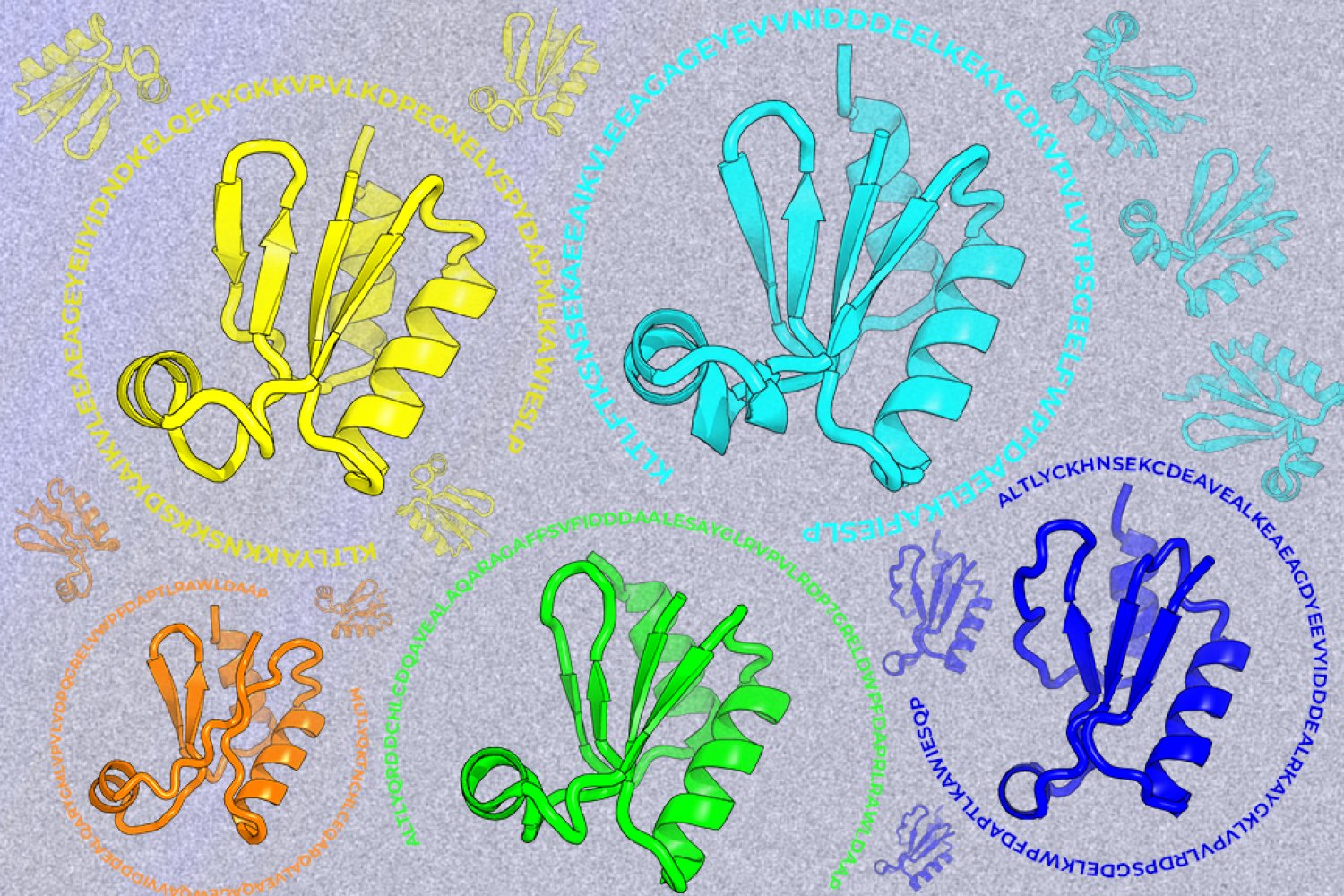
A new machine-learning framework aims to improve the success rate of computational protein design while moving away from results that reproduce sequences found in nature.


Google DeepMind Blog Nov 25, 2025

AlphaFold: Five years of impact

Explore how AlphaFold has accelerated science and fueled a global wave of biological discovery.