Skip to content

Category

protein folding

331 papers

#protein folding Open access Aug 2026

16S ribosomal RNA modification drives transcript-specific translation efficiency.

It is proposed that MraW modification of 16S rRNA enhances translation efficiency in general, and that specific transcripts have evolved structural features that fine-tune protein levels that may be prevalent in bacteria which exhibit uncoupled transcription and translation.

Zachory M. Park, Christina R. Savage, Amanda R. Decker-Farrell et al. · 0 citations
#protein folding Open access Aug 2026

Thermodynamic stability of proteins adapted to extreme temperatures.

A stability study of small cold shock proteins from the Antarctic psychrophile Pseudoalteromonas haloplanktis, the mesophile Escherichia coli and the hyperthermophile Thermotoga maritima finds that cold unfolding appears as a new but unsuspected factor limiting life at low temperatures.

Lorenzo Grossi, Caroline Struvay, G. Feller · 0 citations
#protein folding Oct 2026

Deep eutectic solvent plasticization of chitosan/distiller's grains prolamin films: Hydrogen bond-driven structural regulation and enhanced food preservation performance.

Developing sustainable, high-performance hydrocolloid packaging remains challenging because polysaccharide films are typically brittle and provide limited barrier protection. Here, we present a synergistic strategy combining distiller's grains prolamin (DGSP) and deep eutectic solvents (DES) to tailor the structure and performance of chitosan (CS) films. CS/DGSP composites were first optimized for protein incorporation, and subsequently plasticized with three choline chloride-based DES (ChCl-glycerol, ChCl-xylitol, and ChCl-urea) at 0.5-2 wt%. Among the ratios tested, a CS/DGSP mass ratio of 2:1 was selected primarily for its superior barrier performance, with favorable film-forming stability and optical properties. DES plasticization, particularly 0.5 wt% ChCl-urea, further enhanced extensibility, UV shielding, and thermal stability, most notably increasing elongation at break to 70.93%, approximately 14-fold higher than that of the non-plasticized control. Structural characterizations indicated that DES-mediated multipoint hydrogen bonding partially replaced polymer-polymer interactions, enabling dual regulation of chain mobility and network densification. This flexible yet compact network suppressed water permeation while maintaining integrity and homogeneity. Strawberry preservation tests confirmed the superior ability of the optimized film to retard moisture loss, shrinkage, and microbial spoilage without compromising sensory quality. These findings provide a DES-assisted protein-polysaccharide design strategy that enables high-value DGSP utilization and offers mechanistic insights into structure-property relationships for sustainable packaging.

Lin Deng, Haoyang Sun, Xiaomeng Li et al. · 0 citations
#protein folding Open access Aug 2026

Quinoxaline-based cyanoacrylate hybrids as multi-target anti-proliferative and anti-inflammatory agents with potent activity against hepatocellular carcinoma: induction of apoptosis and modulation of oxidative stress signaling

Findings identify compound 9 as a promising multi-target quinoxaline-based agent with dual antiproliferative and anti-inflammatory activities, mediated through induction of mitochondrial apoptosis and modulation of oxidative stress and cytokine signaling pathways.

S. Alshawwa, Ghazi A. Bamagous, Hatem A. Sembawa et al. · 0 citations
#protein folding Open access Aug 2026

The KRASG12C Inhibitor Divarasib Stabilizes RBM39 and Antagonizes Aryl-Sulfonamide Degraders

Using stability-based proteomics, this study shows how protein folding stability-based profiling can expand the actionable target landscape of small molecules beyond canonical covalent interactions, uncovering noncovalent off-targets that may underlie response heterogeneity and treatment-associated toxicity.

Ssu-Yu Chen, Y. Zou, Jianli Wu et al. · 0 citations
#protein folding Aug 2026

UFL1, expressed in fast-twitch fibers, correlates with lipid metabolism in bovine muscles.

Although UFMylation is implicated in skeletal muscle development, the role of its E3 ligase, ubiquitin-fold modifier 1 ligase 1 (UFL1), in bovine muscle and myofiber type determination is unclear. We profiled UFL1 expression in four muscles (biceps femoris (BF), longissimus dorsi (LD), trapezius (TR), psoas major (PM)) from 18-month-old Simmental and Angus bulls via histology, RT-qPCR, western blotting, and immunofluorescence. UFL1 mRNA and protein were significantly higher in fast-twitch muscles (LD, BF) than in slow-twitch PM. UFL1 localized to sarcolemma and sarcoplasmic reticulum, co-localized with MYHC-Fast in LD, and correlated positively with MYHC-Fast. Oxidative PM showed higher SDH/MDH activities, lower LDH activity, and greater lipid deposition than glycolytic LD. UFL1 correlated negatively with PLIN2. LD exhibited lower ACC1, FASN, PPARα, and CPT1A levels than PM. Collectively, UFL1 is specifically expressed in fast-twitch fibers, associates with lipid metabolic reprogramming, suggesting a role in muscle development and meat quality. This study identifies UFL1 as a novel candidate regulator of myofiber type determination in beef cattle.

Junjie Xu, Shuning Tang, Haiyan Xie et al. · 0 citations
#protein folding Aug 2026

Effects of single and double deletion of Vibrio anguillarum histone-like protein HU subunits on biofilm formation and pathogenicity in flounder (Paralichthys olivaceus).

Vibrio anguillarum is a major bacterial pathogen in marine aquaculture, which causes significant economic losses. The histone-like protein HU, a conserved nucleoid-associated protein, plays crucial roles in chromosome organization, global gene regulation, and stress adaptation. In many bacteria, HU exists as both a homodimer and a heterodimer composed of two subunits, HUα and HUβ, which are encoded by hupA and hupB, respectively. However, the functional roles and divergence of HU subunits in V. anguillarum remain poorly understood. In this study, we successfully constructed the single-gene deletion mutants (ΔhupA and ΔhupB) and the hupA/hupB double-gene deletion mutant (ΔHU). Compared with wild-type (WT) strain, ΔhupA and ΔHU exhibited impaired growth, whereas ΔhupB showed enhanced growth. Deletion of hupB completely abolished biofilm formation and autoaggregation, whereas the ΔHU mutant partially restored biofilm formation. Interestingly, ΔHU and ΔhupA displayed enhanced autoaggregation. All mutants displayed significantly reduced motility. Notably, extracellular DNase production was markedly decreased in ΔHU. In addition, ΔHU showed the highest susceptibility to DNA-mediated killing, while ΔhupB displayed enhanced resistance to this stress. Moreover, the virulence of ΔhupA and ΔHU was significantly attenuated, with a 10.00-fold and a 12.60-fold increase in LD50, respectively, compared to the WT strain, while ΔhupB showed no significant change in virulence. Collectively, our findings reveal the functional divergence between HUα and HUβ in regulating growth, motility, biofilm formation, quorum-sensing, DNase production, and DNA resistance in V. anguillarum, and provide a theoretical basis and novel insights for the development of live attenuated vaccines against vibriosis in aquaculture.

Jiahui Zhang, Qiwei Sun, Wenting Wang et al. · 0 citations
#protein folding Oct 2026

Intrinsic-extrinsic protein complexes as biomimetic interfacial barriers in artificial oil body systems: 1H NMR-guided mechanistic insights into oxidation resistance.

Oil bodies (OBs) are native lipid storage organelles in plant seeds that form highly stable natural emulsification systems stabilized by intrinsic proteins (IPs). However, the poor water solubility of IPs limits their practical application in food systems. Herein, a stable two-protein complex was constructed by the simultaneous folding and co-assembly of IPs with extrinsic proteins (EPs). The co-assembly significantly improved the dispersibility of IPs and reduced their particle size, yielding a nanocomposite with a hydrophobic core that formed an OB-inspired interfacial barrier partially mimicking the interfacial composition and protective function of natural OBs, thereby enabling the formation of stable artificial oil body (AOB) emulsions under mechanical force. Structural analyses revealed that EP addition modulated the secondary and tertiary structures of the protein complex in a concentration-dependent manner, inducing partial unfolding and structural rearrangement, while stabilization was primarily governed by hydrogen bonding and hydrophobic interactions. Turbiscan Stability Index and microstructural analyses demonstrated that the composite rapidly adsorbed at the oil-water interface, forming a dense and robust interfacial film that effectively suppressed droplet aggregation through steric hindrance and electrostatic repulsion, thereby enhancing emulsion stability. Notably, 1H NMR results showed that the interfacial barrier formed by IPs and EPs at a 1:1 ratio markedly reduced lipid oxidation by inhibiting both primary and secondary oxidation pathways at the interface. Overall, this study establishes a facile biomimetic strategy for constructing interfacial barrier-based anti-oxidation system with promising applications in food emulsions.

Y-H Liao, Yu Gao, Lewei Ma et al. · 0 citations
#artificial intelligence Review Jun 2026

Facilitating structure-based drug discovery with an artificial intelligence-driven virtual screening platform.

The Comprehensive VS Platform with AI Engine (CVSP-AIE) for drug discovery from compound libraries integrates three AI models: KarmaDock, a fast docking model that directly updates atomic coordinates; CarsiDock, an accurate docking model that predicts protein-ligand distances and reconstructs binding poses; and RTMScore, an accurate scoring model that learns residue-atom distance distributions for affinity prediction.

Shu-kai Gu, Xujun Zhang, Mengwu Xiao et al. · 1 citation

From tech blogs

See all →
MIT News · Artificial Intelligence Aug 27, 2026

Looking beyond natural sequences

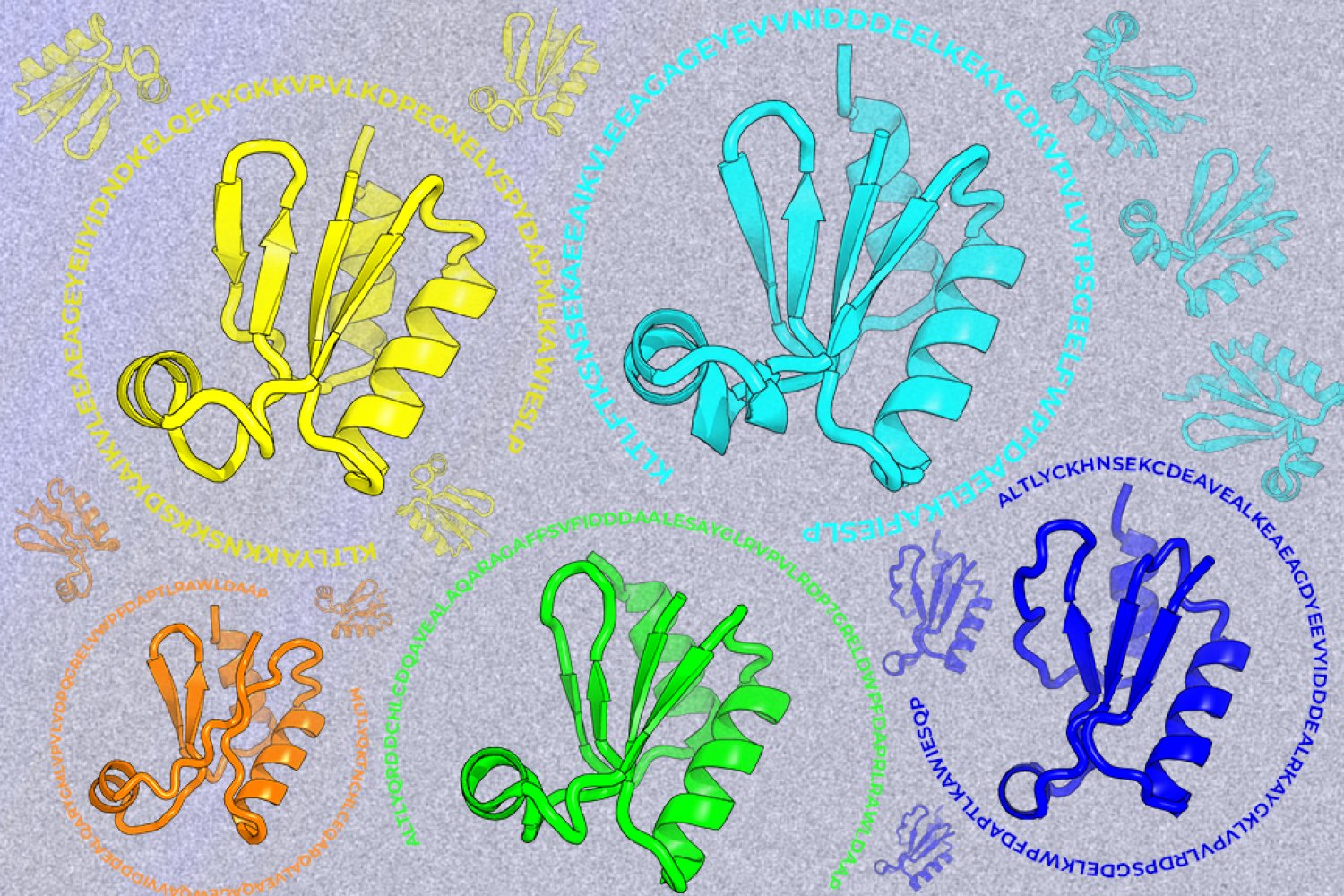
A new machine-learning framework aims to improve the success rate of computational protein design while moving away from results that reproduce sequences found in nature.


Google DeepMind Blog Nov 25, 2025

AlphaFold: Five years of impact

Explore how AlphaFold has accelerated science and fueled a global wave of biological discovery.