Background Dysregulated innate immune activation is a key feature of Parkinson’s disease (PD), but the upstream triggers and cell-type-specific mechanisms remain unclear. Double-stranded RNA (dsRNA) has emerged as a potential driver of innate immune responses. Adenosine deaminase acting on RNA 1 (ADAR1), particularly i...
Yang Liu, G. Halliday, Yu-Hong Fu· bioRxiv· 0 citations
Plant diseases are caused by a wide range of microorganisms, including fungi, viruses, bacteria, mycoplasmas, and nematodes. Among these, major plant-pathogenic microbes are responsible for significant crop losses, leading to both direct and indirect economic damage. In the context of global climate change and the incr...
Genome organization within the cell nucleus is closely linked to essential cellular functions, including gene expression, DNA replication and DNA repair (Dekker and Mirny, 2024;Willemin et al., 2024;Bantele et al., 2025;Dekker et al., 2025). It is therefore crucial to understand the rules that dictate how chromatin thr...
Andrea Fontana, Andrea M. Chiariello· Frontiers in Molecular Biosc...· 0 citations
Lipid nanoparticles (LNP) represent critical non‑viral carriers for mRNA delivery, capable of encapsulating, protecting mRNA, facilitating cellular uptake and enabling cytosolic release. This review summarizes the composition and delivery mechanisms of mRNA‑LNP. Optimization strategies including ionizable lipid structu...
Pei-Dong Shi· Theoretical and Natural Scie...· 0 citations
Reach audiences
Advertise in front of researchers, engineers, and readers.
Cardiovascular diseases (CVDs) are major chronic health conditions, and some patients require long-term medication to control disease progression and associated risks. The need for more durable treatment has therefore significantly increased, leading to importance to find a more long-lasting treatment strategy. This pa...
Zi-Yao Xu· Theoretical and Natural Scie...· 0 citations
Alzheimer’s disease (AD) is a progressive neurodegenerative disorder, and women are disproportionately affected. This review examines the evidence that estrogen signaling contributes to this disparity and asks what a molecularly targeted therapeutic would require. We first distinguish prevalence from incidence in the g...
Tian-Hua Zhai, Risa Garg, Pei-Ming Li et al.· Journal of Dementia and Alzh...· 0 citations
ABSTRACT Heterologous expression—the expression of genes from one organism into another—is an important approach to produce value-added chemicals such as proteins and metabolites. The main challenge, however, is achieving high production yields that are commercially viable. Approaches used to improve productivity rely...
Adjo E. Kadjo, Galen Ptacek, Barbara I. Adaikpoh et al.· Applied and Environmental Mi...· 0 citations
Human induced pluripotent stem cells (hiPSCs) provide a translational platform to interrogate the impact of genetic risk factors for various disorders on human biology. It has been a common practice to engineer premature stop codons to model predicted loss-of-function mutations using isogenic hiPSCs, yet effects of mut...
Yan Hong, Ting Zhao, Qian Yang et al.· bioRxiv· 0 citations
The potential of integrating CRISPR/Cas9 with nanodelivery systems to advance precision medicine for neuroinflammatory disorders, while emphasizing their potential for therapeutic applications in complex CNS conditions is highlighted.
In the version of the article initially published, the graphs in Fig. 2a were missing and have now been reinserted in the HTML and PDF versions of the article.
Kyle J. Kinney, Kun Jia, He Zhang et al.· Nature Communications· 0 citations
ABSTRACT Septins are cytoskeletal proteins that regulate cytokinesis in fungi and animals, yet their functions in choanoflagellates — the closest living relatives of animals — have remained unknown. Salpingoeca rosetta, a choanoflagellate that switches between unicellular and multicellular forms, encodes four septins c...
Michael D. Carver, Nicole King· Molecular Biology of the Cel...· 2 citations
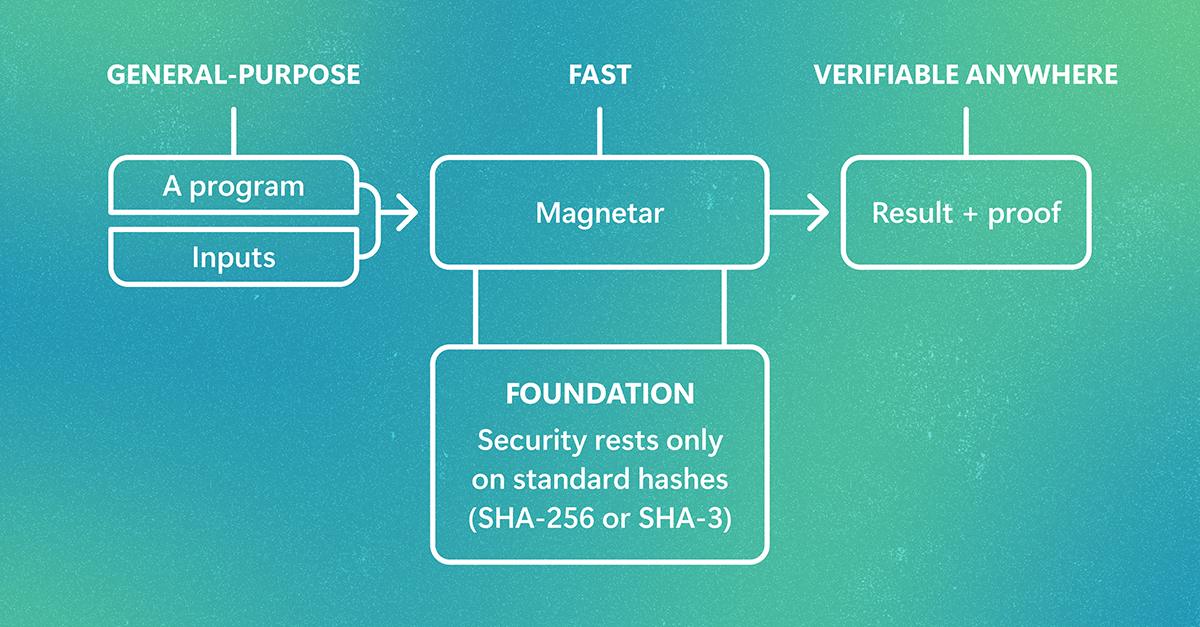
Zero-knowledge proofs can verify computing results without rerunning workloads or exposing sensitive data. Magnetar helps bring them into the mainstream with support for standard programming languages, major speed gains, and quantum-resistant security. The post Proof-based general-purpose computing with Magnetar appeared first on Microsoft Research.
Exploring how generative AI could make machine vision more accessible to businesses. The post GenEye in a Box: Making Machine Vision Something You Can Just Ask For appeared first on GPT-Lab.
We use cookies to run the site and, with your consent, for analytics and to show ads.
See our Cookie Policy.